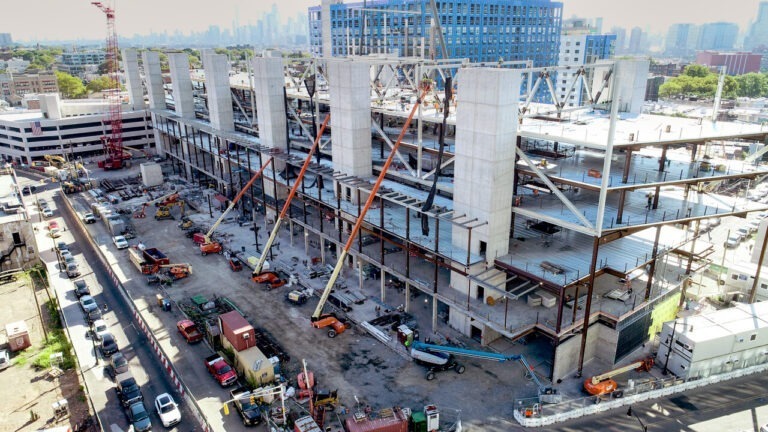
State officials have approved more than $265 million in water quality and infrastructure grants across New York State aimed at reducing flooding, protecting drinking water and modernizing aging systems.
In Westchester County, communities including Yonkers are benefitting from the investment. Yonkers alone will receive more than $6.66 million for culvert replacements and work on Troublesome Brook, a waterway that regularly floods during severe weather.
The statewide funding supports 175 projects that enhance drinking water sources, update wastewater and stormwater infrastructure, reduce pollution and build climate resiliency. Another portion of the investment supports flood mitigation and watershed protection efforts in vulnerable communities.
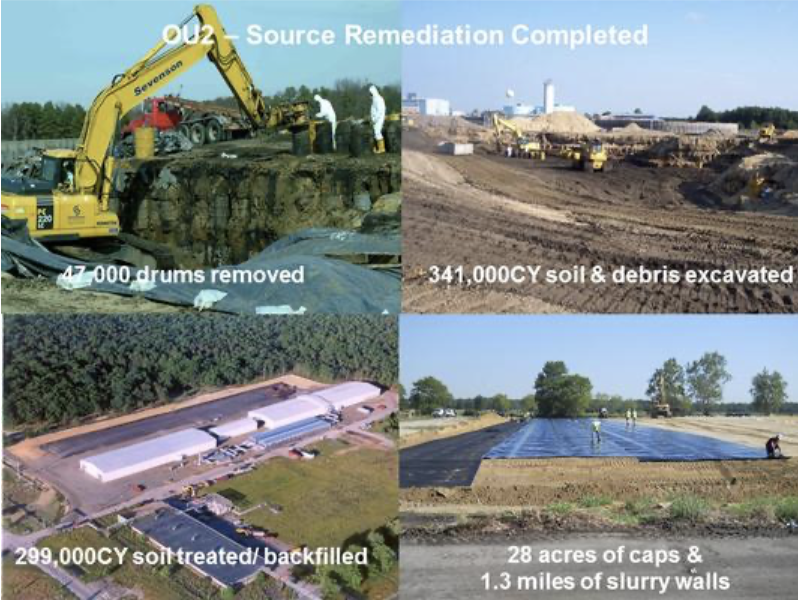
New Jersey’s industrial past has left behind a toxic footprint. The state has more Superfund sites than any other in the nation. These are locations so dangerously polluted that federal intervention is required. Under the EPA’s Superfund program, companies are held accountable for cleaning up hazardous waste that threatens human health and the environment.
The scale of that challenge becomes clear at sites like the Diamond Alkali facility in Newark, where waste from pesticide manufacturing once coated nearby streets and forced an emergency response in the 1980s. Stories like this are not rare, and cleaning them up is complex and costly. Below are the ten most expensive active Superfund sites in New Jersey and the dirty details behind the repairs.
10. Roebling Steel Company (Florence Township, Burlington County)
The Roebling Steel Mill. Photo courtesy of the EPA
Estimated Cleanup Cost: Over $100 million (combined across operable units).
Summary:
Roebling Steel helped build iconic structures like the Golden Gate Bridge, but in the process created a river of toxic waste on the banks of the Delaware River. Soil and groundwater across this 200-acre property are laced with industrial residues.
Contaminants:
Lead: a neurotoxin that impairs brain function and development.
PAHs: polycyclic aromatic hydrocarbons that can cause skin and lung cancers.
PCBs: industrial chemicals harmful to the liver and immune system.
Remediation: The EPA has overseen demolition of contaminated buildings, removal of PCB-laden soils, riverbank stabilization, and groundwater treatment. Sediment and floodplain cleanup continue. The site is being gradually redeveloped into parkland and commercial space.
Scope & Status: Cleanup spans multiple phases. Major soil and riverbank work is complete. Groundwater and sediment remediation are ongoing with long-term monitoring in place.
9. Sherwin-Williams/Hilliards Creek (Gibbsboro, Camden County)
Site map of the Sherwin-WIlliams superfund area, courtesy of the EPA.
Summary: The former Sherwin-Williams paint factory operated here from the mid-1800s through 1977, dumping paint waste and solvents into lagoons, wetlands, and nearby Hilliards Creek. The site spans several locations, including residential yards affected by migrating contamination.
Contaminants:
Lead: toxic to children’s neurological development.
Arsenic: a carcinogen that damages skin, lungs, and internal organs.
PAHs: linked to cancer and liver damage.
Remediation: Soil and sediment removal, excavation of contaminated residential yards, creek dredging, and wetland restoration. Groundwater treatment is being evaluated.
Scope & Status: Active soil removal is underway in residential areas. Future phases will address creek sediment and source areas. EPA anticipates several more years of work.
Summary: Tucked into a wooded area near the Raritan River, this 12-acre site was once home to chemical mixing and storage facilities that illegally disposed of flammable and corrosive wastes. Fires, explosions, and illicit dumping left widespread contamination.
Contaminants:
Dioxins and furans: toxic compounds linked to cancer and reproductive damage.
PCBs: persistent pollutants that accumulate in fat tissue and wildlife.
VOC solvents: harmful to the nervous system and lungs.
Remediation: The cleanup has involved demolition, excavation of over 27,000 tons of contaminated soil and debris, and shoreline sediment removal. Additional work targets groundwater treatment and long-term monitoring.
Scope & Status: Primary excavation work is complete, but groundwater systems and sediment caps are being maintained and evaluated. Restoration of wetland habitat is part of the final phase.
7. Raritan Bay Slag (Old Bridge/Sayreville, Middlesex County)
The Raritan Bay. Photo courtesy of the EPA.
Estimated Cleanup Cost: ≈ $151 million.
Summary: Along the southern edge of Raritan Bay, what once looked like sturdy seawalls and fishing jetties were actually built with slag and battery debris, which are laced with lead and arsenic.
Contaminants:
Lead: a heavy metal that attacks the nervous system and is especially harmful to children.
Arsenic: a known carcinogen that targets organs such as the skin, lungs, and bladder.
Antimony: an industrial byproduct that irritates the respiratory system.
Remediation: Cleanup crews are removing toxic slag from the shoreline, dredging marsh sediments, and rebuilding seawalls with clean materials. The marsh ecosystem is also being restored.
Scope & Status: The project is moving through design and permitting, with full-scale dredging expected once the legal settlement is finalized.
6. Cornell-Dubilier Electronics (South Plainfield, Middlesex County)
Map of tested areas, courtesy of the EPA
Estimated Cleanup Cost: $152 million.
Summary: From the 1930s through the ’60s, this electronics factory pumped PCB-laden oils into the soil and nearby Bound Brook. The site became a hidden reservoir of toxic waste in the heart of suburbia.
Contaminants:
PCBs: chemical compounds that linger in the environment and are linked to cancer and reproductive harm.
Lead: a neurotoxin that affects memory, attention, and development.
Cadmium: a metal that builds up in the kidneys and bones, causing long-term damage.
Remediation: The EPA is excavating PCB-contaminated soil and sediment along the creek and restoring floodplains with clean soil.
Scope & Status: Active remediation is underway, backed by federal infrastructure funds, with years of dredging and restoration ahead.
5. Quanta Resources (Edgewater, Bergen County)
Site conditions in 1948, photo courtesy of the EPA.
Estimated Cleanup Cost: $163 million.
Summary: The Edgewater waterfront holds more than scenic views. It was once home to a coal tar plant and waste oil facility that soaked the land and riverbed with black, chemical sludge.
Contaminants:
PAHs: cancer-causing compounds found in coal tar that affect lungs and skin.
Arsenic: a toxic element with links to several forms of cancer.
PCBs: harmful to both human health and wildlife due to their ability to bioaccumulate.
Remediation: After stabilizing contaminated soils on land, the focus has shifted to the Hudson River, where dredging and underwater caps will isolate lingering tar deposits.
Scope & Status: The sediment cleanup is in the design stage, with dredging expected to begin in the coming years.
4. American Cyanamid (Bridgewater, Somerset County)
Site map courtesy of the EPA
Estimated Cleanup Cost: ≈ $268 million.
Summary: Once a chemical giant, the American Cyanamid site left behind lagoons filled with toxic “acid tars” and solvent-laced groundwater, just steps from the Raritan River.
Contaminants:
Benzene: a chemical linked to leukemia and other blood disorders.
VOCs: volatile organic compounds that can damage the liver, kidneys, and nervous system.
Phenols: industrial byproducts that harm internal organs.
Heavy metals: toxic elements that pose serious long-term health risks.
Remediation: The cleanup involves solidifying sludge ponds with cement-like materials, treating groundwater, and removing the most toxic lagoons entirely.
Scope & Status: Major cleanup phases are in progress, with design and excavation work continuing into the next decade.
3. Ciba-Geigy (Toms River, Ocean County)
Completed Remediations, photo courtesy of the EPA.
Estimated Cleanup Cost: $300+ million (spent to date).
Summary: Synonymous with environmental scandal, this site is tied to a childhood cancer cluster and a massive underground plume of contaminated water in Toms River.
Contaminants:
Benzene: a well-known carcinogen.
TCE: a chemical that depresses the central nervous system and causes cancer. Chloroform: affects liver function and may damage DNA.
Dyes: many are mutagenic and carcinogenic.
Radionuclides: radioactive particles that increase cancer risk with prolonged exposure.
Remediation: Crews have removed contaminated soil, waste drums, and chemicals. A cap and groundwater treatment system are still active. Future plans include transforming the site into a wildlife preserve.
Scope & Status: Major construction is done, but groundwater monitoring and site restoration are ongoing.
2. Ventron/Velsicol – Berry’s Creek Study Area (Wood-Ridge/Moonachie, Bergen County)
The Ventron Velsicol site sits just outside of Metlife Stadium. It is both one of the largest and most expensive clean up efforts in New Jersey.
Estimated Cleanup Cost: $332 million.
Summary: This Meadowlands site harbors some of the highest mercury levels ever recorded in a U.S. waterway. A former mercury plant discharged waste directly into the creek, poisoning the wetlands.
Contaminants:
Mercury: a dangerous neurotoxin that damages the brain and kidneys.
PCBs: industrial chemicals that persist in sediment and accumulate in fish.
Chromium: can cause lung cancer and respiratory issues.
Lead and PAHs: add to the toxic burden of the marsh.
Remediation: Plans call for dredging and capping more than 100 acres of creek channels and marshlands.
Scope & Status: Design is in progress. The multi-year cleanup will begin soon and continue in phases.
1. Diamond Alkali (Lower Passaic River and Newark Bay, Essex/Passaic Counties)
The purple shaded area represents the Diamond Alkali site, surrounded by multiple cleanup sites within a heavily contaminated corridor.
Estimated Cleanup Cost: Over $2 billion.
Summary: The Diamond Alkali Superfund site centers on a former chemical manufacturing plant in Newark that notoriously produced Agent Orange during the Vietnam War. Operated by the Diamond Shamrock Corporation, the facility generated vast amounts of hazardous waste that were discharged directly into the Passaic River. These discharges, along with runoff from decades of heavy industry along the riverbanks, created a toxic legacy that stretched well beyond the original facility. Over time, contaminated sediment and industrial runoff migrated downstream into Newark Bay, embedding dangerous pollutants deep within the riverbed and estuarine ecosystem. Today, the site is not only one of New Jersey’s most notorious environmental disasters but also a case study in how unchecked industrial activity can devastate a watershed for generations.
Contaminants:
Dioxins: toxic compounds linked to cancer and developmental harm.
PCBs and pesticides: disrupt hormones and damage reproductive health.
Mercury and lead: heavy metals with long-lasting neurological and organ effects.
Remediation: The EPA’s multi-phase cleanup spans two locations. In the lower 8 miles of the Passaic River, the plan involves dredging 3.5 million cubic yards of contaminated sediment and installing a protective cap. In Newark Bay and the upper stretches of the river, similar dredging and capping will be implemented, followed by long-term monitoring and ecosystem restoration.
Scope & Status: Cleanup efforts are advancing in stages. The lower river remedy is in its design phase, while planning and sediment studies continue for Newark Bay. Construction across the full site is expected to take more than a decade.
Summary
Rank
Site Name
County
Estimated Cost
Status
1
Diamond Alkali
Essex/Passaic
$2B+
In design, active
2
Ventron/Velsicol – Berry’s Creek
Bergen
$332M
Design phase
3
Ciba-Geigy
Ocean
$300M+
Long-term monitoring
4
American Cyanamid
Somerset
$268M
In progress (multi-year)
5
Quanta Resources
Bergen
$163M
Design phase (sediment)
6
Cornell-Dubilier Electronics
Middlesex
$152M
Active remediation
7
Raritan Bay Slag
Middlesex
$151M
In permitting
8
Horseshoe Road Complex
Middlesex
$125M
Final phase restoration
9
Sherwin-Williams/Hilliards Creek
Camden
$100M+
Ongoing soil removal
10
Roebling Steel Company
Burlington
$100M+
Long-term monitoring
Sources
Associated Press. Decades After Cancer Cluster, Toms River Chemical Waste Site to Become Wildlife Preserve.
EPA Region 2. American Cyanamid Superfund Site: Impoundments 1 and 2 Removal Plan and Groundwater Treatment Design.
New Jersey Department of Environmental Protection. Ciba-Geigy Site Natural Resource Damages Settlement and Restoration Plan.
NJ Department of Environmental Protection. Remedial Updates for Sherwin-Williams and Hilliards Creek Cleanup Projects, Camden County.
NorthJersey.com. Berry’s Creek Is One of the Most Polluted Waterways in the Country. The Clean-Up Will Take Decades.
NorthJersey.com. EPA Efforts Continue at High-Risk Superfund Sites Across New Jersey.
U.S. Environmental Protection Agency. American Cyanamid Superfund Site Settlement for Groundwater and Waste Impoundment Remediation.
U.S. Environmental Protection Agency. Ciba-Geigy Corporation Superfund Site, Toms River, NJ: Cleanup and Restoration Overview.
U.S. Environmental Protection Agency. Cornell-Dubilier Electronics Superfund Site, South Plainfield, NJ: Infrastructure Investment Funds Cleanup Activities.
U.S. Environmental Protection Agency. Diamond Alkali Superfund Site Cleanup Plan for the Lower Passaic River, Newark, NJ.
U.S. Environmental Protection Agency. Horseshoe Road Complex Superfund Site Cleanup Overview, Sayreville, NJ.
U.S. Environmental Protection Agency. Matteo & Sons Superfund Site: Battery Waste and Lead Contamination Cleanup Begins in West Deptford.
U.S. Environmental Protection Agency. Quanta Resources Superfund Site, Edgewater, NJ: Hudson River Sediment Cleanup Plan.
U.S. Environmental Protection Agency. Raritan Bay Slag Superfund Site Proposed Settlement with NL Industries and Other Parties.
U.S. Environmental Protection Agency. Roebling Steel Company Superfund Site Profile and Cleanup Activities, Florence Township, NJ.
U.S. Environmental Protection Agency. Sherwin-Williams/Hilliards Creek Superfund Site, Gibbsboro, NJ: Site History and Remediation Plans.
U.S. Environmental Protection Agency. Superfund Program: Records of Decision and Five-Year Reviews for New Jersey Sites.
U.S. Environmental Protection Agency. Superfund Site Documents and Five-Year Reviews for Roebling, Horseshoe Road, and Sherwin-Williams Sites in New Jersey.
U.S. Environmental Protection Agency. Ventron/Velsicol Superfund Site: EPA Finalizes Cleanup Plan for Berry’s Creek Study Area.
U.S. Environmental Protection Agency. Welsbach/General Gas Mantle Superfund Site: Final Remedy for Marine Terminal Radiation Cleanup.
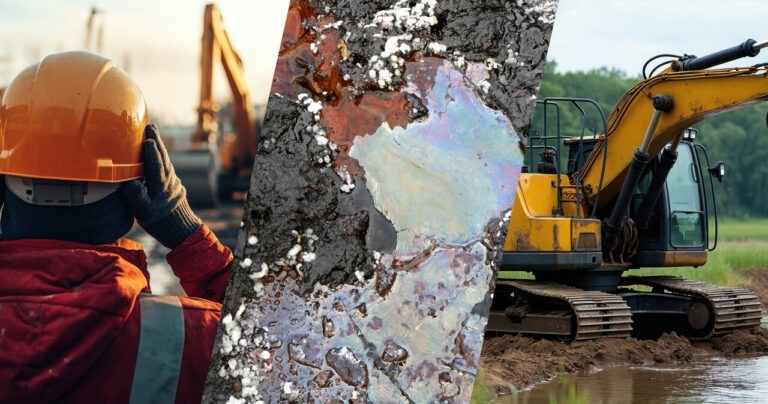
NJBIA and several building and labor groups are urging the Sherrill administration to reconsider NJDEP Land Use rules finalized before the governor’s recently signed Executive Order 7, which institutes a 90-day pause on new rule proposals and adoption of pending regulations to ensure a more affordable New Jersey.
The controversial Resilient Environments and Landscape (REAL) rules, which greatly expand New Jersey’s flood zones despite dated science, will make it more difficult to develop and raise overall building costs.”
The Port Authority of New York and New Jersey has released a proposed $45 billion capital plan for 2026 through 2035, the largest investment package in the agency’s history. The plan advances major projects already underway and launches new improvements across the region’s transportation network.
Key funding areas include a rebuilt Midtown Bus Terminal, continued upgrades at JFK, Newark and LaGuardia airports, rehabilitation of bridges and tunnels, and expanded transit capacity. The proposal also prioritizes modernization and resilience across the agency’s facilities.
If approved, the plan will guide a decade of construction and regional investment and support the long-term reliability of critical infrastructure in New York and New Jersey.
The existing Portal Bridge was built by the Pennsylvania Railroad and entered revenue service in November 1910. In its heyday, the bridge carried more than 450 daily Amtrak and NJ TRANSIT trains and approximately 200,000 passengers each day across the Hackensack River. It remains a critical link in one of the most congested stretches of rail territory in the country, connecting Newark, New Jersey, to Penn Station New York.
The two-track, moveable swing span has long been a major bottleneck on the Northeast Corridor. Because the bridge must open for maritime traffic, and because its aging mechanical systems are prone to failure, routine operations have frequently resulted in cascading delays for commuter and intercity rail service.
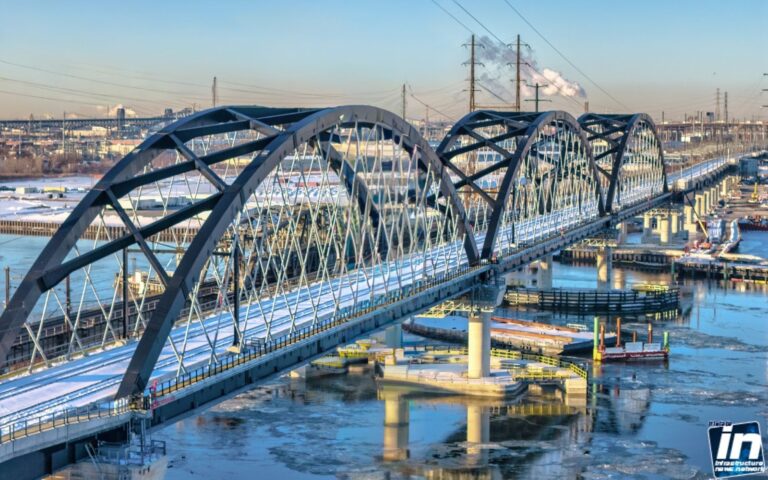
The new Portal North Bridge replaces that outdated structure with a modern, high-level fixed span that does not open or close, eliminating the movable components and the risk of malfunction. Rising roughly 50 feet above the Hackensack River and spanning nearly 2.5 miles, the bridge features three signature arches and represents a massive feat of engineering.
When fully complete, the project will expand capacity from two tracks to four and increase allowable speeds from 60 miles per hour to 90 miles per hour, creating a more resilient and efficient rail crossing.
A transition to the new bridge
Equipment and materials on site ahead of the final cutover work.
Construction on the bridge has been underway for nearly five and a half years and is on track to be delivered on time and on budget. The project has now entered its final phase, known as the cutover, as work begins to transition rail service from the more than 110-year-old Portal Bridge to the new structure. The first trains are scheduled to operate on the Portal North Bridge beginning as soon as February 15.
The cutover process involves carefully transferring active rail traffic from the existing bridge to the new one while maintaining service along the Northeast Corridor. Operators must deactivate legacy infrastructure tied to the old bridge, reconfiguring and activating new track alignments, and integrating modern signaling, power and communications systems. Crews must also test and commission new interlockings and safety systems to ensure they function reliably. All of this work is taking place while rail service continues.
Because these systems are highly interdependent, the work must take place within tightly defined time windows and requires temporary reductions in operational flexibility across the corridor. The process is complex, highly coordinated, and essential to ensuring a safe and reliable transition.
“The cutover of the Portal North Bridge represents more than just work to connect railroad infrastructure; it signifies a whole new level of reliability on the Northeast Corridor and New Jersey that has never previously existed,” said Amtrak President Roger Harris. “In just a few short weeks, we will reward the patience of Amtrak and NJ TRANSIT customers by helping eliminate a cause of long delays and unreliable commutes.”
A boon for commuters
The Portal North Bridge will soon carry hundreds of thousands of daily riders across the Hackensack River.
During the cutover period, riders can expect temporary delays and changes to train schedules as crews complete the necessary work. Once the transition is complete, however, the benefits will be immediate and noticeable. Eliminating bridge openings will significantly reduce delays caused by mechanical failures and maritime traffic. Trains will be able to operate more consistently, improving on-time performance for both commuter and freight travel.
A boost for commerce and the regional economy
The impact extends well beyond daily commuters. Reliable rail infrastructure is essential to the regional economy, supporting workforce mobility, tourism, and business activity across New Jersey and the broader Northeast. Delays on the Northeast Corridor affect not only passengers but also employers and industries that rely on consistent access to labor and markets.
By removing a long-standing bottleneck, the Portal North Bridge strengthens one of the most important economic arteries in the country. It also supports future capacity improvements tied to broader corridor modernization efforts, helping ensure the region can accommodate growth in both population and economic activity.
A larger vision
Crews advance Gateway Program construction to expand and modernize the Northeast Corridor. Photo Courtesy of the Gateway Development Commission.
The Portal North Bridge is a critical Phase 1 component of the Gateway Program, a multi-year, multi-phase infrastructure initiative aimed at rehabilitating, modernizing, and expanding the most congested ten-mile section of the Northeast Corridor between Newark and New York Penn Station.
In addition to this bridge, the Gateway Program includes construction of a new two-tube Hudson River rail tunnel and rehabilitation of the existing 116-year-old tunnel, along with additional track, bridge, and station expansion projects. Together, these investments are intended to double rail capacity through the corridor while addressing decades of deferred maintenance.
Anyone who has traveled through Hudson County during rush hour, or even in the middle of the day, understands the necessity of this work. Much of the region’s rail infrastructure was built more than a century ago, long before today’s travel volumes and economic demands. The Portal North Bridge represents a decisive step toward aligning that infrastructure with the realities of modern travel, and toward delivering the reliability that commuters, businesses, and the regional economy increasingly depend on.
A recent five-year study shows the Hudson Valley is home to three of New York’s ten deadliest roads, highlighting serious safety concerns for motorists. Interstate 87 ranked first in the state with 58 fatal crashes, followed by Route 9 with 44, and Route 9W at sixth with three fatal incidents. State transportation officials are urging drivers to stick to speed limits and obey traffic laws to help reduce crashes and save lives.
Bordentown Township has been awarded over $270,000 through the New Jersey Department of Transportation’s Fiscal Year 2026 Municipal Aid Grant Program to support repaving of Vine Way and Cherry Lane and improve road safety and travel conditions for local residents. The statewide Municipal Aid Program allocates funds for local transportation projects based on engineering merit, safety benefit and community impact. Municipalities receive 75 percent of funding when a construction contract is awarded and the remaining 25 percent when the project is completed. Local leaders said the investment will make essential improvements without placing additional burden on taxpayers and will benefit the surrounding neighborhood.
Following the enactment of one of the most significant labor measures in state history, New Jersey municipalities now have a powerful new tool to manage public construction projects.
On January 20, 2026, outgoing Governor Phil Murphy signed Bill S4864, expanding the ability of local government entities to use Project Labor Agreements (PLAs) on public works projects. The legislation authorizes municipalities, counties, school districts, and fire districts across New Jersey to enter into PLAs with local Building Trades Councils for projects below $5 million.
The bill received overwhelming bipartisan support in the Legislature — passing the General Assembly by a 63–10 vote and the Senate by a 35–4 margin — an uncommon show of unity in today’s political climate.
A Shift in Public Construction Policy
Prior to S4864, public entities in New Jersey were limited in their ability to implement PLAs on smaller-scale projects due to a $5 million minimum project cost requirement. By removing that barrier, lawmakers have significantly broadened local governments’ discretion in structuring construction contracts.
Supporters say the change gives municipalities greater flexibility to ensure labor stability and project efficiency — particularly on infrastructure improvements, school upgrades, and emergency facility construction that often fall below the former threshold.
What Is a Project Labor Agreement?
A Project Labor Agreement is a pre-hire collective bargaining agreement that establishes the terms and conditions of employment for a specific construction project. PLAs set standardized wages, define work rules, provide dispute resolution procedures, and prohibit strikes and lockouts for the duration of the project.
Advocates describe PLAs as an “insurance policy” for project owners and taxpayers. By establishing clear labor standards upfront, they aim to prevent costly delays and disruptions. PLAs typically require contractors to follow prevailing area wage and safety standards while ensuring access to a highly trained workforce.
Despite common misconceptions, PLAs do not exclude non-union contractors from bidding. Both union and non-union firms may compete for projects covered by a PLA, though contractors must agree to abide by the agreement’s terms for that project.
Promoting Workforce Development and Veteran Hiring
Under PLAs, contractors can draw workers from local union hiring halls and registered apprenticeship programs, providing access to skilled tradespeople trained in safety and craftsmanship standards. The agreements also encourage participation from veterans through workforce initiatives such as Helmets to Hardhats, which connects former service members with careers in the construction trades.
Proponents argue that these provisions not only strengthen project performance but also help promote local hiring, workforce development, and pathways into middle-class careers.
What It Means for Municipalities
With S4864 now in effect, municipalities and other public entities have a new strategic option when planning capital improvements. For projects ranging from road resurfacing and public safety facilities to school renovations and infrastructure upgrades, local leaders can now consider PLAs as a risk-management and workforce tool — even when project costs fall below $5 million.
As public infrastructure investment continues statewide, the expanded authority is expected to influence how local governments structure bids and manage construction projects in the years ahead.
As New York State embarks on one of the most ambitious eras of infrastructure investment in its history, Marie Therese Dominguez stands at the helm of that effort as Commissioner of the New York State Department of Transportation (NYSDOT). Since her unanimous confirmation in June 2019, Dominguez has helped lead the agency through a transformative period of road, bridge, transit and aviation improvements that stretch far beyond New York City and touch communities across every region of the state.
Dominguez’s leadership reflects a blend of deep policy expertise, federal experience and a focus on safety, resilience and equitable access to transportation — characteristics that define the “new faces” shaping New York’s infrastructure in the 21st century.
Before her current role, Dominguez served in senior positions across the federal government, including as Administrator of the Pipeline and Hazardous Materials Safety Administration at the U.S. Department of Transportation — a post she was unanimously confirmed for by the U.S. Senate — and as Principal Deputy Assistant Secretary of the Army for Civil Works. She also held leadership roles at the Federal Aviation Administration, the U.S. Postal Service, and in the White House under President Clinton. Her diverse background in transportation, energy infrastructure, safety and logistics provides her with a rare vantage point on the challenges and opportunities facing New York’s vast transportation network.
At NYSDOT, Dominguez oversees more than 8,500 professionals responsible for a system that includes over 113,000 highway lane miles, 17,400 bridges, a 3,500-mile passenger and freight rail network, nearly 500 aviation facilities, and dozens of seaports and transit operators statewide.
Under Dominguez’s leadership, NYSDOT has pushed forward a suite of projects and initiatives that extend well beyond the urban core:
Dominguez has championed record-level paving and maintenance efforts that aim to improve more than 2,000 lane miles of roads across the state as part of a historic investment plan.
Safety enhancements, including upgraded curb ramps, crosswalks and signage in Jefferson County, reflect the department’s goal of reducing highway deaths to zero.
In Binghamton — a hub of the Southern Tier — NYSDOT’s multimillion-dollar reconstruction of Court Street improved access for drivers, pedestrians and cyclists and reinforced a critical commercial corridor.
In Sullivan County, Dominguez celebrated the opening of a modernized terminal at the regional airport, a project aimed at bolstering tourism and economic activity in the Catskills region.
Renovations at Frederick Douglass Greater Rochester International Airport underscore the commitment to enhancing aviation infrastructure outside metropolitan centers.
Dominguez has overseen expansions of smart programs like road salt management to reduce environmental impact during winter maintenance, and she has supported funding for active transportation projects statewide through programs that make millions available for walking and biking infrastructure.
Public engagement efforts, such as outreach for the Queen City Forward initiative in Buffalo, illustrate NYSDOT’s growing focus on community-driven planning in Western New York.
A new highway maintenance facility in East Fishkill demonstrates a commitment to efficient operations and rapid response to weather and emergencies across the Hudson Valley and beyond.
Despite these advances, Dominguez faces significant challenges as NYSDOT prepares for the next phase of infrastructure transformation:
Climate and Resilience: With increasingly extreme weather events impacting roads, bridges and transit systems, building resilient infrastructure that withstands floods, storms and winter extremes remains a priority. Expanding EV charging infrastructure and leading coordinated clean-energy transportation efforts are part of that broader agenda.
Equitable Access: Ensuring that investments benefit communities across all regions — from rural upstate towns to small cities and suburban hubs — requires balancing competing needs and limited budgets while addressing accessibility and environmental justice concerns.
Workforce and Innovation: Maintaining and growing a skilled transportation workforce, adopting new technologies and integrating smart mobility solutions will be key to meeting future travel demands and safety goals.
As New York invests tens of billions in rebuilding and modernizing its transportation assets, Dominguez’s vision emphasizes collaboration — with local governments, regional planners, and diverse stakeholders — and a commitment to a transportation system that is safe, sustainable, and accessible for all residents.
From the Thousand Islands to the Southern Tier, from the Hudson Valley to the Finger Lakes, the infrastructure Revitalized under her watch is reshaping how New Yorkers move, work and connect. Whether upgrading rural airport terminals or pioneering statewide safety programs, Dominguez’s leadership is leaving a lasting imprint on the Empire State’s roads, paths and transitways.
As New York State reinvests in vital infrastructure beyond its bustling cities, Dr. Minosca Alcantara is emerging as a leading voice in the stewardship and modernization of some of the Empire State’s most iconic river crossings. Since her appointment as Executive Director of the New York State Bridge Authority (NYSBA) in December 2021, Alcantara has guided a nearly century-old institution through an era of record traffic, strategic upgrades and evolving challenges that span safety, sustainability and long-term resilience.
Dr. Alcantara’s path to the helm of NYSBA reflects a broad and distinguished career in civil engineering, project management and education. Before joining the Bridge Authority, she served as Chief of Capital Project Scheduling at MTA Construction & Development, where she led large-scale infrastructure planning for transit projects in one of the nation’s busiest metropolitan regions.
An experienced civil engineer, Alcantara has worked on complex infrastructure initiatives domestically and internationally, and her expertise in cost and schedule management has been critical in overseeing major transportation assets. She holds a Bachelor of Science in Civil Engineering, a Master’s in Construction Management, and both Master’s and Doctoral degrees in Education from Columbia University.
In addition to her leadership at the Bridge Authority, Alcantara serves on the Equal Employment Practices Commission for the City of New York and contributes to STEM education and mentorship programs aimed at expanding opportunities for women and underrepresented students in engineering.
A Storied Authority with a Critical Mission
Founded in 1932, the New York State Bridge Authority was established to build and operate toll bridges across the Hudson River, generating revenue to maintain these vital crossings without relying on state or federal tax dollars. Over more than 90 years, NYSBA has remained self-sufficient, reinvesting toll earnings into maintenance and capital improvements that keep its network safe and dependable.
Today, the Authority owns and operates five major bridges connecting communities across the Hudson Valley — the Bear Mountain, Newburgh-Beacon, Mid-Hudson, Kingston-Rhinecliff and Rip Van Winkle bridges — and also maintains the structure of the cherished Walkway Over the Hudson.
From the Bear Mountain Bridge, a legendary suspension span entering its second century of service, to modern rehabilitation work on the Mid-Hudson Bridge, NYSBA’s infrastructure remains a backbone of regional mobility and economic life.
Accomplishments Under Alcantara’s Leadership
Under Dr. Alcantara’s leadership, the Authority completed a major milestone with the full implementation of cashless tolling on all five spans — eliminating traditional toll booths in favor of electronic toll collection that improves safety, reduces emissions and keeps traffic flowing smoothly.
She has also championed strategic planning initiatives focused on safety, sustainability and long-term asset reliability, while reinforcing the Authority’s commitment to transparent communication with the public.
In 2024, the Bridge Authority recorded the highest traffic and revenue figures in its history, with more than 64 million vehicles crossing its bridges and generating over $82 million in toll revenue — an 8.3% increase over the previous year. These funds support ongoing maintenance and capital investment without taxpayer support.
Alcantara noted that this milestone underscores the essential role these crossings play in regional connectivity and economic activity across the Hudson Valley.
Looking ahead, the Authority recently awarded a $34.4 million contract for comprehensive rehabilitation work on the east approach of the Mid-Hudson Bridge, a project slated to run through summer 2027. This investment, funded through toll revenue, enhances the structural integrity and service life of one of the oldest and most heavily used spans in the system.
Challenges on the Horizon
Despite these strides, Dr. Alcantara faces a dynamic set of challenges as she guides NYSBA into its second century:
Maintaining Heritage Structures: Several of the Authority’s bridges — including the Bear Mountain, Rip Van Winkle and Mid-Hudson — are approaching or exceeding 90 years in service. Balancing preservation with modernization requires careful planning and significant reinvestment.
Climate Resilience and Sustainability: As weather patterns shift and environmental concerns grow, ensuring that critical river crossings withstand extreme events and support cleaner transportation options will demand innovation and strategic collaboration with regional partners.
Equity and Accessibility: While the bridges connect the Hudson Valley’s rural and suburban communities, listening to local needs and integrating feedback into project planning remains essential to fostering equitable access and community support.
Dr. Minosca Alcantara’s leadership at the New York State Bridge Authority reflects the evolving face of infrastructure stewardship across New York State — one that honors the past while innovating for the future. Through record traffic management, major infrastructure upgrades and a clear vision for resilient, community-centered operations, Alcantara and the Authority are ensuring that New York’s iconic Hudson River crossings continue to serve travelers, businesses and residents for generations to come



![Water quality and infrastructure grants approved throughout NYS [News 12]](https://tristateinfrastructurenews.com/wp-content/uploads/2026/02/large-nywater-768x404.jpg "Water quality and infrastructure grants approved throughout NYS [News 12]")




![NJBIA, Building, Labor Groups Urge Sherrill Administration to Reconsider DEP Land Use Rules [New Jersey Business]](https://tristateinfrastructurenews.com/wp-content/uploads/2026/02/large-image-25-768x495.png "NJBIA, Building, Labor Groups Urge Sherrill Administration to Reconsider DEP Land Use Rules [New Jersey Business]")
![Port Authority unveils $45B transportation overhaul [Construction Dive]](https://tristateinfrastructurenews.com/wp-content/uploads/2026/02/large-image-24-768x439.png "Port Authority unveils $45B transportation overhaul [Construction Dive]")


![Three Hudson valley highways rank among New York’s deadliest [News 12]](https://tristateinfrastructurenews.com/wp-content/uploads/2026/02/TINN-Lede-v26-2-768x404.jpg "Three Hudson valley highways rank among New York’s deadliest [News 12]")
![Bordentown secures state funding for local road improvements [centraljersey.com]](https://tristateinfrastructurenews.com/wp-content/uploads/2026/02/Untitled-19-768x512.png "Bordentown secures state funding for local road improvements [centraljersey.com]")