



New Jersey and New York saw major developments this week across data‑center regulation, water infrastructure, grid reliability, emissions policy, and battery‑storage planning, reshaping regional energy priorities.
Water industry groups praise overwhelming House passage of WRDA
Water‑sector organizations are celebrating the House’s 415–9 passage of the Water Resources Development Act, which authorizes major investments in flood control, navigation, ecosystem restoration, and water‑infrastructure upgrades. The bill strengthens Army Corps project delivery and expands support for communities facing aging systems and climate‑driven flooding. Groups say the vote reflects rare bipartisan consensus on water resilience.
Newark office complex activates 14‑megawatt on‑site substation
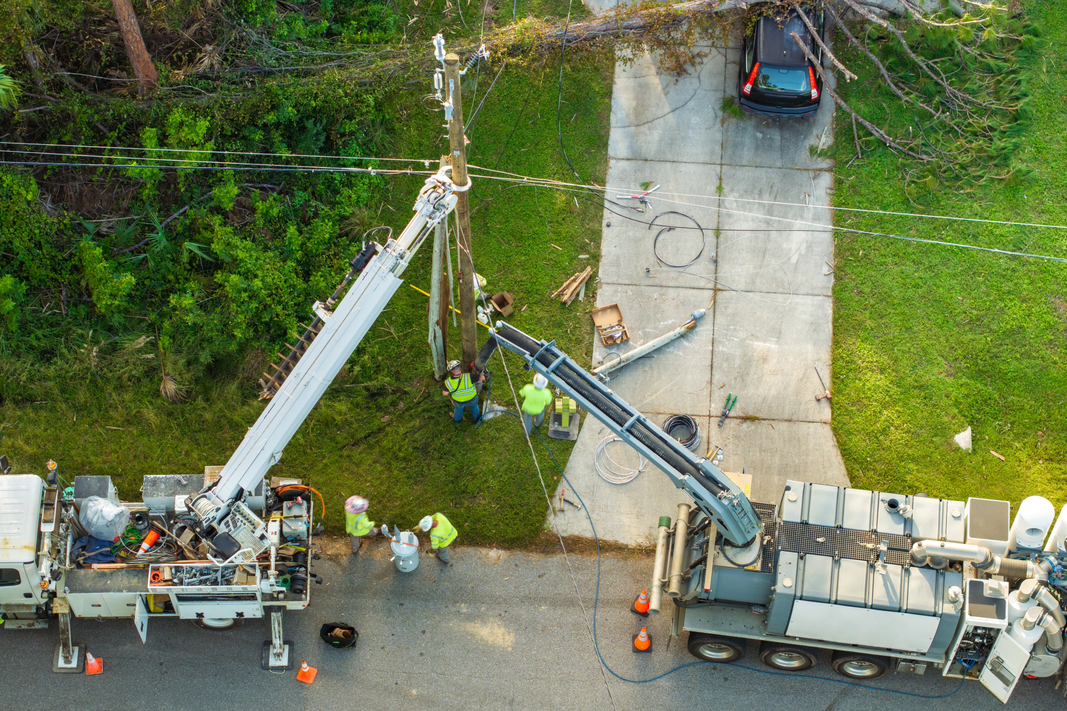
A Newark office building along McCarter Highway has brought a 14‑megawatt on‑site substation online, providing tenants with enhanced reliability and reducing strain on the surrounding grid. The privately funded project supports energy‑intensive commercial operations and future redevelopment, reflecting a broader trend of large facilities investing in dedicated power infrastructure as data‑center growth increases grid pressure.
New York acknowledges Indian Point closure increased emissions
New York State has formally stated that closing the Indian Point nuclear plant raised statewide carbon emissions, confirming long‑standing warnings from grid analysts. Gas‑fired generation increased to fill the gap, complicating the state’s climate‑mandate compliance and raising questions about future nuclear retirements. The acknowledgment arrives amid debates over how to balance reliability, affordability, and decarbonization.
Opinion: permitting delays are driving up electric bills
A RealClearEnergy analysis argues that permitting bottlenecks – not generation shortages – are a major driver of rising U.S. electric bills. Long interconnection queues, slow environmental reviews, and transmission‑siting challenges delay new clean‑energy projects and force reliance on older, costlier fossil‑fuel plants. The piece contends that permitting reform is essential to lowering long‑term rates and accelerating renewable deployment.
New data centers projected to reduce residential electricity rates
A new analysis suggests that upcoming data‑center projects could lower residential electric bills under New Jersey’s emerging regulatory framework. The state now requires data centers to fund their own generation, storage, or grid upgrades, preventing costs from being shifted onto households. Analysts say this private investment could stabilize rates and reduce grid congestion.
Op‑ed calls for major expansion of battery‑storage construction
A BINJE op‑ed argues that New Jersey must dramatically expand battery‑energy‑storage construction to meet reliability and clean‑energy goals. The author calls for faster permitting, clearer interconnection rules, and incentives for both utility‑scale and distributed storage. With data‑center growth and electrification increasing grid volatility, the piece frames storage as essential infrastructure.
Read more: https://binje.com/uncategorized/op-ed-what-we-need-to-build-battery-energy-storage/
New Jersey fines DataOne $1.07M for unpermitted generators
New Jersey issued $1.07 million in fines to DataOne after inspectors found 62 natural‑gas generators installed and operated without air‑quality permits. Regulators say the company bypassed preconstruction and operating approvals required under the Air Pollution Control Act, marking the largest enforcement action ever taken against a data center in the state. The case underscores rising scrutiny of data‑center emissions, noise, and grid impacts as the sector expands rapidly.
Read more: https://www.yahoo.com/news/us/articles/jersey-fines-dataone-1-07-173211365.html