
Our Infrastructure Matters Ad
Home Blog Page 35

LEGOLAND NY – An Economic and Infrastructure Success Story In a Region That Sorely Needs Them

Far beyond the bright lights of New York City, is a beautiful rural landscape often featured in the iconic “I Love NY” tourism campaign. But hidden in many of those picturesque landscapes is economic uncertainty. Just 65 miles from “the City”, 44% of Orange County households live either in poverty (13%) or living paycheck to paycheck* (30%), their highest rate in over 10 years. Neighboring counties are similarly challenged – 47% of Delaware County and 45% of Sullivan County households either live below the poverty line or are living paycheck to paycheck.

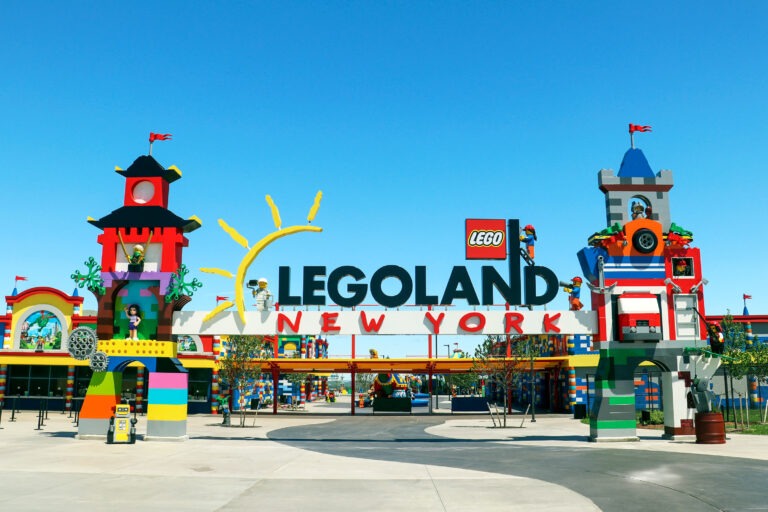
It’s within this challenging economic landscape (and during COVID) that LEGOLAND NY was constructed. The largest LEGOLAND park in the world features seven themed lands, including Miniland, LEGO City, and Adventure, with attractions like the Dragon Coaster and the LEGO Factory Adventure Ride. 

The grand opening was delayed by COVID, but LEGOLAND NY is turning into economic engine in a region that sorely needs them, employing 1,300 full-time, part-time, and seasonal jobs, and bringing visitors to the region to spend money not only at LEGOLAND NY but also in Goshen and elsewhere.

“At Elsie’s Luncheonette nearby, Aimee Smith-Bywater said she had to take reservations for the first time in the restaurant’s history — a welcome lift ‘after the horrific year we had,’ she said.”

“Who Wouldn’t Want a $500 Million Theme Park in Their Town?” New York Times. 

Local government and institutions will benefit as well. A PILOT agreement will contribute $10.3 million to hosting Orange County, $11.65 million to the hosting town Goshen, $60.56 million to Goshen schools and $5.73 million to the fire department over 20 years.

The quiet hero in this story is infrastructure. LEGOLAND NY could not exist and could not thrive unless adjacent roads were updated to accommodate the influx of up to 2,000,000 visitors a year. The infrastructure project included improvements to Route 17, such as the construction of a new Exit 125 overpass to handle increased traffic. This involved lane widening, new signage, and shoulder work to ensure smooth access to the park. The total cost of these road improvements was approximately $40 million, paid for by a combination of state and federal funding.

More economic engines are needed in this quiet corner of New York to create job opportunities, spur local spending that supports local businesses, and generate revenue that bolster local municipalities’ budgets. To support such growth, more infrastructure investment is needed, and widening the 45 mile stretch of Route 17 between Wallkill and Monticello will help. The Route 17 Widening Project has support from the New York State Department of Transportation (NYSDOT), the Federal Highway Administration (FHWA), and Governor Hochul and will add lanes, improve interchanges, and improve safety.

From shipping ports to railroad to highways, infrastructure has proven time and time again to improve the economic fortunes of those nearby. Just like LEGOLAND NY and the infrastructure built to support it, widening Route 17 will have the same effect for this quiet region of New York plagued with rural poverty.

* The United Way defines people living paycheck to paycheck as ALICE – Asset Limited, Income Constrained, Employed

Sources

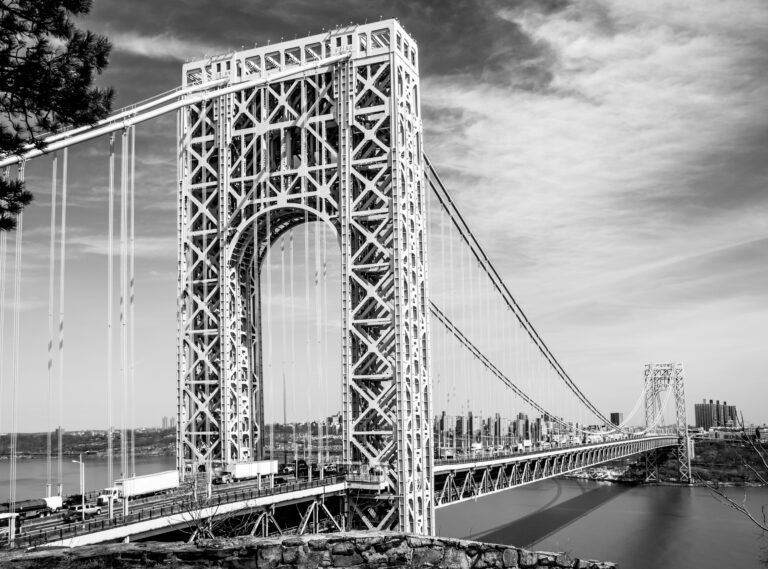
Restoring the George: Revitalizing the Iconic George Washington Bridge

When the George Washington Bridge was completed and dedicated in 1931, it was the world’s longest suspension bridge. Over the years, the bridge has undergone several modifications, including the addition of six lanes to the lower roadway in 1962. Today, it’s the busiest motor vehicle bridge in the world, accommodating over 50 million eastbound vehicles annually as it connects not just New Jersey to New York, but the Mid-Atlantic to New England.

The “Restoring the George” program, launched by the Port Authority of New York and New Jersey (PANYNJ) in 2015, is a comprehensive $2 billion investment aimed at ensuring the bridge’s longevity. The program comprises 11 repair projects, including:

  1. Rehabilitation of Cable Strands in Anchorages: Completed between 2013 and 2017, this project maintained the main cable strands at anchorage points.
  2. Lower Level Eastbound Main Span and Approach Roads Pavement Rehabilitation: Completed between 2015 and 2016, this project provided a smoother riding surface for motorists.
  3. Replacement of the Palisades Interstate Parkway Helix and Rehabilitation of Upper Level Spans: Completed between 2016 and 2020, this project improved roadway geometry and safety.
  4. Suspender Ropes Replacement and Rehabilitation of the Main Cables: Scheduled for completion by 2030, this project involves replacing all 592 suspender ropes and rehabilitating the main cables.

Amazingly, this 15 year project to restore the GWB is happening without having to close the busiest motor vehicle bridge in the world. The project includes upwards of 200 workers at the bridge five to six days a week. Much of the work happens at night, when traffic is lower.

“These are once-in-a-lifetime projects, for sure. The work we’re doing now will last another 100-plus years…The fact that we’re able to do all this work while the busiest bridge in the world is still active is a major engineering feat.” 

Ken Tripaldi, Senior Engineer of Construction, Port Authority of New York and New Jersey

The “Restoring the George” program is expected to be completed by 2030. The final phase involves the replacement of the bridge’s original steel suspender ropes and the construction of a newly built sidewalk on the bridge’s south side.

Funding for “Restoring the George” comes from a combination of federal, state, and local sources. The Port Authority of New York and New Jersey has committed over $2 billion to the project, with additional support from federal transportation grants and state infrastructure funds.

“I want to pay tribute to the men and women of the Port Authority and the union construction workers who deal with these monumental challenges in renovating our existing legacy infrastructure as well as building new projects.”

Rick Cotton, Port Authority Executive Director 

The “Restoring the George” program is a testament to the commitment to preserving and enhancing one of the world’s most iconic bridges. By investing in these critical repairs and upgrades, the Port Authority ensures that the George Washington Bridge will continue to serve as a vital transportation link for generations to come.

Sources

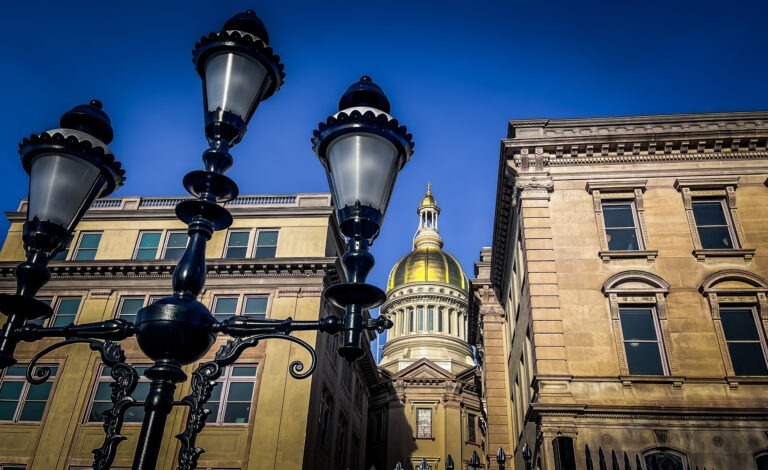
N.J. environmental regulators call for overhaul of Trenton Water Works [WHYY]

0

”Trenton Water Works has struggled to meet Safe Drinking Water Act requirements on numerous occasions over the past 50 years.

In 2022, the water system faced a legionnaires’ outbreak, and at the end of last year, an employee was fired for falsifying water tests.

The independent reports said Trenton Water Works faces chronic poor management and maintenance practices, and general complacency from staff. The utility also doesn’t have the expertise or financing needed to address the numerous inadequacies, according to the reports.”

Read the full story at WHYY: https://whyy.org/articles/trenton-water-works-overhaul-new-jersey-environmental-regulators/

Five Infrastructure Challenges the Next Governor of New Jersey Will Face

Managing our built infrastructure is one of the most important jobs as governor, because infrastructure is the foundation for all that we do in the Garden State. It’s how we get to work and school, it’s how we shower and bathe and flush, it’s how we stay warm, keep the lights on, and charge our phone. And as one of the original 13 colonies, one of the first industrialized states, and the most densely populated state in the nation, we have a lot of it that is crumbling, out-of-date, and in serious need of upgrades.

New Jersey will elect a new governor in 2025. They will need to address the state of the state’s infrastructure, balancing competing interests and budgets. Here are five questions that could spark some meaningful discussions with gubernatorial candidates about New Jersey’s infrastructure, transportation, water, and energy:

1. Infrastructure 

The American Society of Civil Engineers say that 57% of New Jersey roads are in poor or fair condition, costing motorists $715 each year in car repairs. Much of the state’s infrastructure was built over 50 years ago and is not up to modern safety and traffic volume standards, with narrow lanes, minimal shoulders, and a worsening safety record for pedestrians and cyclists. Not only that, but there is a chronic problem with funding infrastructure projects, compounded by delays in the permit process that stretches out timelines for getting approved projects completed – sometimes by decades. New Jerseyans just want to get around safely and efficiently and with as little fuss as possible – how are you going to help them?

2. Transportation

NJ Transit is the largest statewide public transit system in the country, handling over 200 million trips a year. faces a nearly $1 billion deficit by 2026. Recent customer surveys show that rider satisfaction is dropping, with riders complaining of delays, poor service, and increased fares. How do you plan to secure sustainable funding for public transportation without burdening commuters with fare hikes?

3. Water

The last American Society of Civil Engineers Infrastructure Report Card for New Jersey noted that the state needs $12.3 billion dollars to bring its drinking water systems up to date. Water main breaks are a weekly occurrence throughout the state and PFAS “forever chemicals” have made their way into our water supply. How do you plan to make and manage the necessary investments in New Jersey’s drinking water infrastructure?

Additionally, the Passaic Valley Sewerage Commission in Newark treats the wastewater of 1.5 million people in 48 communities in North Jersey. It is one of the largest water treatment plants in the country and the largest in the state. In 2012, Superstorm Sandy knocked out power, leading to nearly a billion gallons of untreated sewage to flow into Newark Bay. While changes have been made to the facility since then, the facility still does not have backup power to withstand another catastrophic event. What will you do to make sure that the facility has reliable and affordable backup power?

4. Energy

New Jersey’s Energy Master Plan (last updated in 2019, scheduled to be updated in 2024 but still not released), aims to transition New Jersey’s energy infrastructure to 100% renewables by 2035. Many public advocates, like New Jersey’s Rate Counsel, have repeatedly asked how much this energy transition will cost. The NJ Board of Public Utilities (NJBPU), who is managing the Energy Master Plan, has not provided these costs.

According to the United Way, 36% of New Jerseyans either live below the poverty line or are Asset Limited, Income Constrained, Employed (ALICE). That’s over 1.2 million households for whom energy poverty – having to choose between food and heat and/or air-conditioning and medical care – is a real risk.

As New Jersey aims for 100% clean energy by 2035, what steps will you take as governor to ensure that New Jersey’s most vulnerable residents won’t be pushed (further) into energy poverty as the state continues with this transition?

5. Climate Resilience

We saw firsthand how Superstorm Sandy devastated communities, pummeled our energy grid, and exposed the fragility of our infrastructure. As governor, how will you enhance the resilience of New Jersey’s infrastructure to withstand these challenges and protect communities? Roads, bridges, and tunnels will need to be upgraded, sea walls and flood mitigation projects will have to be funded, and energy and water systems hardened.

Moss Landing Battery Storage Facility Fire: Renewable Energy’s Three Mile Island?

0

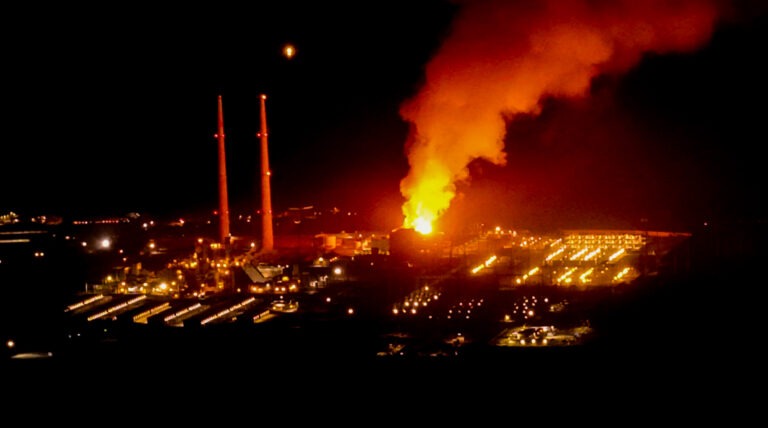
A fire at the Moss Landing Battery Storage Facility in California on January 16, 2025, necessitated the evacuation of approximately 1,500 people and led to the closure of Highway 1. Operated by Vistra Energy, the facility is one of the largest battery storage systems in the world, with a capacity of 750 MW and 3,000 MWh.

Let it Burn

Firefighters decided to let the fire burn out on its own due to the complexities involved in extinguishing lithium-ion battery fires. These fires are notoriously difficult to manage and can generate large plumes of toxic smoke. Air quality monitoring by the U.S. Environmental Protection Agency (EPA) indicated no immediate threat to human health. However, the incident left residents frustrated and demanding action to prevent such occurrences in the future.

Not the First Fire

This is not the first fire at the Moss Landing facility. In September 2021, a software programming error caused a heat suppression system to activate unnecessarily. Another fire broke out in February 2022, and a subsequent incident in June 2023 further highlighted the potential risks associated with the facility.

Renewable Energy’s Three Mile Island

The Moss Landing fire has been described as a “wake-up call” for the battery storage industry. Local officials are calling for a comprehensive independent investigation to determine the cause of the fire and develop improved safety measures. The incident has also sparked a broader debate about the need for more stringent regulations for battery storage facilities to ensure they can safely store renewable energy.

Comparisons have been drawn to the Three Mile Island nuclear accident in 1979, which caused widespread concern and led to significant regulatory changes in the nuclear industry. 

The Moss Landing facility plays a crucial role in California’s efforts to transition to renewable energy by storing electricity generated from solar and wind sources. The recent fire highlights the challenges and risks associated with large-scale battery storage systems. 

Residents Concerned

Residents living near the Moss Landing facility have expressed frustration and fear, with many questioning the long-term viability of living close to such infrastructure. Community leaders and environmental groups are pushing for stricter safety regulations, better emergency response plans, and increased transparency from companies operating battery storage systems.

Winter Blues: Massachusetts and New York struggle to stay warm, burn more oil than ever with gas pipelines stalled

0

The Northeast is dealing with an extended cold spell that is taxing the energy grid throughout the region. New Jersey, is part of the PJM grid that has a broad portfolio of firm, reliable energy sources – including nuclear and natural gas. Together, they provide the vast majority of heating and electricity in the state. But neighboring states New York and Massachusetts are facing energy challenges as this cold spell persists…

Massachusetts

Massachusetts’ energy grid is facing a critical challenge: limited pipeline capacity. Natural gas, typically the backbone of Massachusetts’s energy mix, is struggling to keep pace with the cold. Pipelines that transport natural gas into the region are operating at maximum capacity, unable to deliver the increased volume needed to meet the surge in demand; Massachusetts environmentalists defeated a new pipeline initiative in 2016 that would have provided additional volume.

In years past, the state relied upon liquid natural gas (LNG) from Russia to get through the winter, but after Russia invaded Ukraine, Russian LNG could no longer be imported. This natural gas bottleneck has created a supply crunch, driving up prices and forcing energy officials to seek a less desirable but necessary solution – burning oil and biomass.

Oil, a more expensive and less environmentally friendly option, has become a crucial stopgap measure. Oil-fired power plants, typically relegated to backup roles, are now operating at higher capacities to bridge the energy gap. While this helps keep the lights on, it comes at a cost – increased greenhouse gas emissions and higher electricity bills for consumers.

Biomass, another controversial energy source, is also playing a role. While considered renewable, its sustainability and environmental impact are subjects of ongoing debate. Nonetheless, biomass power plants, fueled by wood, wood waste, and even municipal solid waste, are contributing to the energy mix during this critical period.

This situation underscores the vulnerabilities of Massachusetts’s energy system. The state lacks sufficient natural gas pipeline capacity. Renewables are slowly coming online but they are intermittent sources of energy that cannot be relied upon during the kind of deep cold spells that all of New England is suffering through right now. The need to resort to oil and biomass highlights the urgent need for Massachusetts and the broader region to rethink its energy policy. 

New York

New York’s energy grid is battling the same cold snap and facing similar challenges to Massachussetts.

 New York relies heavily on natural gas for electricity generation, especially during winter months. However, the state’s ability to import natural gas is limited by pipeline capacity.  As temperatures plummet and demand soars, these pipelines are becoming congested, unable to deliver the necessary volume. This constraint has been highlighted by both the North American Electric Reliability Corporation (NERC) and the Northeast Power Coordinating Council (NPCC).  Their reports warn of “severe threats to reliability” during cold weather due to “fully utilized” pipeline infrastructure.

With natural gas facing bottlenecks, New York is increasingly relying on oil-fired power plants to bridge the gap. This shift is evident in data from the New York Independent System Operator (NYISO), which shows a significant uptick in oil-based generation during cold weather events. While oil provides a readily available alternative, it comes with drawbacks. It’s a more expensive fuel source, potentially leading to higher electricity bills for consumers. Moreover, burning oil releases more greenhouse gases than natural gas, raising concerns about environmental impact.⁴

Biomass, a category that includes wood, wood waste, and even municipal solid waste, is also contributing to New York’s energy mix during this cold spell. While considered renewable, biomass raises concerns about sustainability and air quality.  Data from the U.S. Energy Information Administration (EIA) shows that biomass provides a small but notable portion of New York’s electricity generation.

State, regional, and national energy policies are put to the test during extreme weather events. As New York and Massachusetts are learning the hard way, poor energy policy can lead to high energy costs and unintended consequences.

Sources

“Massachusetts State Energy Profile”, EIA, https://www.eia.gov/state/print.php?sid=MA

“Lack of Northeast gas pipeline capacity poses ‘severe threats to reliability’ in cold weather: NERC”, Utility Drive, https://www.utilitydive.com/news/northeast-gas-pipeline-capacity-reliability-NERC-NPCC/738100/

https://electricityrates.com/massachusetts/massachusetts-electricity-expensive

“Driving a resilient future: key energy transition strategies“, Siemens Energy, https://www.siemens-energy.com/global/en/home/energy-transition/strategies.html

“2023 Regional Reliability Assessment (Report)”, Northeast Power Coordinating Council, https://www.nerc.com/pa/RAPA/ra/Reliability%20Assessments%20DL/NERC_LTRA_2023.pdf

“Power Trends 2024” (Report), New York Independent System Operator, https://www.nyiso.com/documents/20142/2223020/2024-Power-Trends.pdf/31ec9a11-21f2-0b47-677d-f4a498a32978

“New York State Energy Profile”, U.S. Energy Information Administration, https://www.eia.gov/state/analysis.php?sid=NY

“Electricity Data Browser”, U.S. Energy Information Administration, https://www.eia.gov/electricity/data/browser/

“New York State’s Climate Leadership and Community Protection Act (CLCPA)”,  New York State Energy Research and Development Authority, https://climate.ny.gov/

State of Energy in New Jersey and the PJM Grid

0

New Jersey is a member of the PJM grid, a multi-state grid that coordinates the generation and delivery of electricity from New Jersey to Michigan and from Illinois to North Carolina. By sharing and coordinating electricity, PJM members collectively benefit from increased redundancy in power generation and increased buying power.

Here are some basic facts about the PJM grid, New Jersey energy production and usage, and energy demand from AI and data centers that will play an increasing role in our economy.

How much energy is used in the PJM grid as a whole and in New Jersey specifically?

PJM estimates annual energy use at 800,000 GWh as of Jan 2024 (i.e., a mean of 2,191.8 GWh daily), with estimates predicting an annual load of 1.1 million GWh by 2039.

As of NJ’s 2022 EIA report, the state generated 5,633,000 MWh of electricity, but total consumption is reported as total energy, not just electricity, at 2,014 trillion Btu of 329 trillion Btu generated. Converting Btu to GWh puts annual consumption at 590,425.1 GWh.

How many homes in New Jersey use natural gas as a heating source?

In 2023, the most recent year data is available, there were 3,512,465 households in NJ. An estimated 72% of those homes used gas as a source of heat per the EIA, or approximately 2,564,099 households.

What are PJM’s projections for generation capacity and load growth over the next five years?

PJM has 237 generator projects in the pipeline, with a combined capacity estimated at 12,151 mWh, either in the planning, procurement, or construction phases, with commercial operation milestones, between Jan 2025 and Dec 2030.

PJM expects a load growth of an additional 2% to 3.2% through 2045.

How many megawatts have left the power grid in the last seven years?

In NJ 2,813mWh from fully closed plants have left the grid, but when you add in deactivated generators from currently operating power plants, the number rises to 4,132 mWh.

In the total PJM grid, 32,059.8 mWh of generation have been deactivated from March 2017 – Oct 2024 across 211 plants and generators.

Since 2017, how many power plants have shut down in New Jersey?

Six power generation plants have closed within the state since 2017:

  • PSE&G and Hudson & Mercer – coal
  • Oyster Creek – nuclear
  • BL England / Beesley’s Point – coal
  • Starwood Energy Group Global LLC/ACE’s Logan and Chambers Cogeneration – coal

Accounting for individual generation units at currently operating power plants, the total is 35 generators.

There are no longer any coal power plants in New Jersey, but there is still coal in the PJM grid.

What are PJM’s latest capacity market prices?

The July 2024 auction for the 2025-2026 delivery yearput capacity market pricing at $269.92/MW-day. This pricing is up 2.2 billion dollars compared to the last auction. 

For details, please see https://pjm.com/-/media/markets-ops/rpm/rpm-auction-info/2025-2026/2025-2026-base-residual-auction-report.ashx

How much energy does an AI data center use?

A single AI data center averages between 10-100 MWh of power per use, but some sources note it is not uncommon for spikes up to 200MWh, and some new locations are being built to allow for future capacity of 1,000 MWh. 

ChatGPT alone is estimated to consume 227,000 MWh a year, for 78 billion prompts, averaging 2.9 kWh a piece (in comparison, the average smartphone battery takes15-20W to fully charge).

Sources also note that depending on the nature and complexity of the output, such as image or audio output, the range per query can vary from 0.5 watt-hours to 10 KWh.

Multiple sources compare ChatGPT’s daily usage to between 21,602 and 180,000 residential households, and industry-wide energy usage is expected to see 90 TWh by 2026, attributed largely to energy-intensive AI model training.

Roughly 3,000 data centers currently operate in the US, and this number is expected to reach almost 6,000 by 2030, with generative AI applications accounting for 10-20%of data center electricity usage as of 2024. 

Data center energy usage itself is growing at an average rate of 20% annually.

Portal North Bridge Spans Floated Down the Hudson River

0

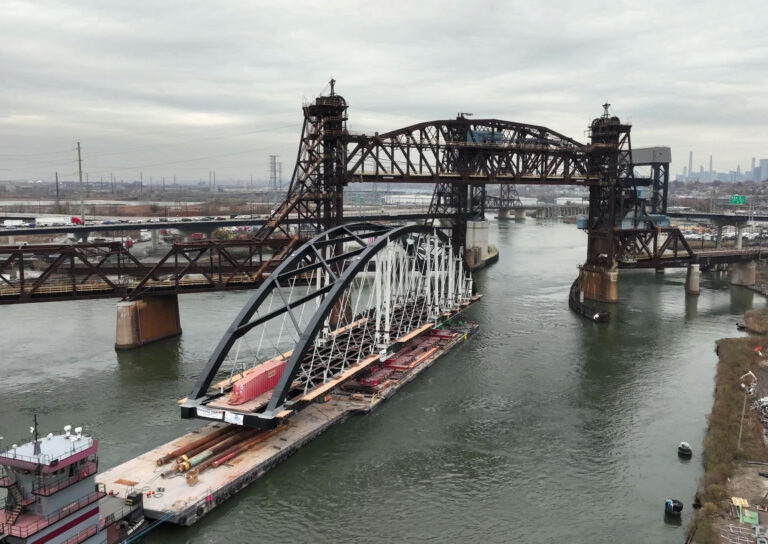
On November 26, 2024, the first of three massive arches to support the new Portal North Bridge was delivered by barge after a 30-hour journey down the Hudson River. This milestone marks a significant step toward replacing the aging infrastructure and improving rail service along the busiest stretch of passenger rail in the country.

The Portal North Bridge Project is one of New Jersey’s most important transportation projects, replacing the century-old Portal Bridge over the Hackensack River in New Jersey. The existing bridge is a major bottleneck and source of delays to both NJ Transit and Amtrak due to its aging mechanical and electrical components.

The Portal Bridge, also known as the “Portal,” was opened in 1910 by the Pennsylvania Railroad to allow maritime traffic to pass through by swinging open its middle span. However, this functionality has led to frequent malfunctions and delays, especially given the bridge’s age and fragility. At times, rail engineers have had to use a sledgehammer to nudge the bridge closed. The bridge’s limited clearance of only 23 feet above the Hackensack River further restricts train speeds to a maximum of 60 miles per hour.

Part of the Gateway Program

The Portal North Bridge Project is a crucial component of the broader Gateway Program, the most important infrastructure project in the country, aimed at improving the reliability, resiliency, and capacity of the Northeast Corridor (NEC) rail line between Newark, New Jersey, and New York City. When completed, The Gateway Program will double rail capacity and enhance service along this heavily trafficked route. including supporting more one seat rides to New York Penn Station from New Jersey. The Portal North Bridge will replace the outdated swing bridge with a modern, high-level fixed span that does not open or close, thereby eliminating the movable components and the risk of malfunction.

The next arch is scheduled to be installed in early 2025, continuing the progress of this transformative project. The arches are constructed near Albany, New York. Each arch weighs approximately 2,500 tons and measures about 400 feet long and 80 feet tall. Building, transporting, and installing each arch requires careful coordination and precision. From heavy machinery operators to structural engineers, the collaborative effort of the construction workers and skilled laborers is vital in executing a large-scale infrastructure project of this magnitude.

The Portal North Bridge Project is a testament to the importance of investing in modern infrastructure to support the growing demands of the Northeast Corridor. The Gateway Program, of which the Portal North Bridge Project is a part, represents a significant step toward ensuring the long-term sustainability and efficiency of the region’s rail network.

Sources

Powering New Jersey’s Ambitious AI Push

0

Growth, Jobs, and Energy

The data center industry is a massive and rapidly growing sector, valued at over $95 billion in 2023 in the U.S. alone. Over the past decade, the industry has seen explosive growth, driven by the increasing demand for cloud services, Artificial Intelligence (AI), and machine learning technologies. Looking ahead, the industry is projected to continue its upward trajectory, with forecasts predicting a 10.7% annual growth rate through 2030.

New Jersey, known for its vibrant, high tech economy and strategic location, has embarked on an ambitious journey to become a leading hub for AI. Governor Phil Murphy has been at the forefront of bringing the AI sector to New Jersey. In July, 2024, Murphy signed the Next New Jersey Program to attract AI investments into the state.

“AI has already started to revolutionize our everyday lives, and New Jersey is capitalizing on this moment to ensure we establish ourselves as a frontrunner in generative AI innovation. The creation of this program will support the growth of AI-related businesses, which could lead to scientific breakthroughs and lifesaving discoveries right in our backyard. AI will be a transformative industry that will change lives and grow our economy and New Jersey is ready to take the lead.”

Governor Phil Murphy

The Murphy Administration has also partnered with Princeton University to develop an AI Hub and established an AI Task Force to study AI’s societal impacts.

The effort is already yielding results. Roseland-based CoreWeave, an AI cloud platform, last fall chose the Northeast Science & Technology Center (NEST) in Kenilworth (the former Merck campus) as the home of their next data center. CoreWeave will invest over $1.2 billion turning the 280,000 square foot former Merck lab and manufacturing building into a state-of-the-art data center, their first in New Jersey.

“From life-saving healthcare breakthroughs to traffic jams, artificial intelligence will touch every aspect of our daily lives,”

Senator Raj Mukherji

The next generation economy will be built upon AI, and bringing AI and data centers into New Jersey will ensure that New Jersey’s economy continues to evolve and grow. The CoreWeave project alone is expected to generate hundreds of jobs, ranging from construction and engineering to IT and cybersecurity. These high-paying positions not only provide financial stability for New Jersey residents but also contribute to the state’s overall economic growth.

Moreover, the presence of advanced data centers fosters a robust ecosystem of ancillary industries, including renewable energy, real estate, and telecommunications. This ripple effect amplifies the economic benefits, making New Jersey an attractive destination for both businesses and talent.

Catching Up

While New Jersey’s efforts are commendable, it faces stiff competition from other states that are also vying to become AI data center hubs. Virginia, for instance, is already home to approximately 70% of the world’s internet traffic. With significant investments from companies like Google, Virginia continues to expand its data center footprint, supported by a strong infrastructure and a tech-savvy workforce.

Georgia is another contender, with Amazon Web Services (AWS) planning an $11 billion expansion in the state. Georgia’s strategic location and supportive business climate make it a preferred choice for tech giants looking to scale their operations.

Texas, known for its favorable business environment and vast land area, is attracting investments from Microsoft and Google. The state’s low energy costs and business-friendly policies are key factors driving this growth.

Despite these challenges, New Jersey’s strategic advantages, including its proximity to major financial hubs, robust transportation network, and highly educated workforce, provide a competitive edge.

More Energy

The energy impact of data centers is significant, with U.S. data centers consuming more than 4% of the country’s total electricity in 2023. This figure is expected to rise to 9% by 2030 due to the increasing demand for AI and cloud computing services. 

In recognition of how important energy is to data centers, the CoreWeave announcement included statements from PSE&G. Ralph LaRoss, Chair, President and CEO of PSE&G’s parent company PSEG said, “This project is a good example of the work that Governor Murphy and the New Jersey Economic Development Authority are doing to foster a new wave of economic development for our state. We are excited to welcome and partner with Onyx and CoreWeave on this project.”

Just across the river in Pennsylvania, Microsoft plans to reopen Three Mile Island in order to power its data center there. If New Jersey is to become a major player in the new AI economy, reliable and affordable energy will be a necessary part of the formula.

Conclusion

New Jersey’s concerted efforts to attract AI data centers are yielding promising early results. With significant investments, job creation, and a supportive business environment, the state is well-positioned to become a leading player in the tech industry. While competition from states like Virginia, Georgia, and Texas is fierce, New Jersey must combine its unique strengths and sound energy policy to become a major player in the AI economy.

Sources

“Governor Murphy Signs Legislation to Spur Investment in New Jersey’s AI Sector”, Official Site of the State of New Jersey, https://www.nj.gov/governor/news/news/562024/20240725a.shtml

“How Data Centers Are Paving the Way for Economic Growth”, U.S. Chamber of Commerce, https://www.uschamber.com/technology/how-data-centers-are-paving-the-way-economic-growth

“CoreWeave to take 280K SF space at the NEST in Kenilworth; invest $1.2 billion at facility,” ROI NJ, https://www.roi-nj.com/2024/10/24/tech/coreweave-to-take-280k-sf-space-at-the-nest-in-kenilworth-invest-1-2-billion-at-facility/

“The Rise of Data Centers in Northern Virginia”, DataCenters.com, https://www.datacenters.com/news/the-rise-of-data-centers-in-northern-virginia

“Amazon to invest $11 billion in GA as it adds facilities in Butts, Douglas counties for AI expansion”, WSB Atlanta, https://www.msn.com/en-us/money/news/amazon-to-invest-11-billion-in-ga-as-it-adds-facilities-in-butts-douglas-counties-for-ai-expansion/ar-AA1x8kKH

“Governor Abbott Announces Expansion Of Microsoft Regional Hub In Irving”, Office of the Texas Governor | Greg Abbott, https://gov.texas.gov/news/post/governor-abbott-announces-expansion-of-microsoft-regional-hub-in-irving?form=MG0AV3

“Google adds $1B investment to data centers in Texas”, AXIOS, https://www.axios.com/local/dallas/2024/08/15/google-dallas-data-centers?form=MG0AV3

“Data centers in the U.S. – statistics & facts”, Statista, https://www.statista.com/topics/10667/data-centers-in-the-us/?form=MG0AV3

“Data Centers – 2024 Global Outlook”, JLL, https://www.jll.co.uk/content/dam/jll-com/documents/pdf/research/global/jll-data-center-outlook-global-2024.pdf?form=MG0AV3

“U.S. Data Center Market Size, Share & Trends Analysis Report By Component, By Type, By Server Rack Density, By Redundancy, By PUE, By Design, By Tier Level, By Enterprise Size, By End-use, And Segment Forecasts, 2023 – 2030,” Grandview Research, https://www.grandviewresearch.com/industry-analysis/us-data-center-market-report?form=MG0AV3

“Three Mile Island nuclear plant will reopen to power Microsoft data centers”, NPR, https://www.npr.org/2024/09/20/nx-s1-5120581/three-mile-island-nuclear-power-plant-microsoft-ai

Culprit behind mysterious Edison water main break discovered [Home News Tribune]

0

”Mayor San Joshi said the source of the water flow from the water main line that broke was identified and shut off Monday morning.

This water main was listed in a 1950s American Water map as “abandoned.”

No subsequent maps — paper or digital — listed this pipe because it was meant to be moved, which was never done, when Woodbridge Avenue was raised 15 feet 75 years ago.”

Read the full story here: https://www.yahoo.com/news/culprit-behind-mysterious-edison-water-213831241.html