



Seven-minute video with New Jersey Turnpike Authority Supervising Engineer Lisa Navarro discussing the issues that the Newark Bay-Hudson County Extension of the Turnpike is facing and plans to replace aging infrastructure.
The State of Connecticut’s Roads

Challenges and Opportunities
Connecticut’s road infrastructure is a critical component of the state’s transportation network, impacting daily commutes, economic activity, and overall quality of life. The condition of these roads has been a growing concern for residents and policymakers alike. According to the 2022 Report Card for Connecticut’s Infrastructure by the American Society of Civil Engineers (ASCE), the state’s roads received a dismal grade of D+, highlighting significant challenges for the state.
Current Condition and Challenges
The ASCE report reveals that 61% of Connecticut’s roadway network is in poor or mediocre condition. This is particularly concerning for town-maintained roads, which bear the brunt of these poor conditions. The primary funding source for road maintenance, the state gas tax, has been insufficient to meet the growing needs. The recent suspension of the gas tax has further exacerbated the funding gap, making it difficult to carry out necessary repairs and upgrades.
Connecticut’s roads also face significant congestion issues. The state ranks 8th highest in the nation for urban interstate congestion, with 68% of urban interstates experiencing routine congestion. This not only affects daily commutes but also hampers economic activities by increasing transportation costs and reducing efficiency.
Funding and Investment
The passage of the federal Infrastructure Investment and Jobs Act (IIJA) in 2021 has provided a glimmer of hope. Connecticut is set to receive over $5 billion in infrastructure funding over the next five years. This funding is expected to address some of the age, capacity, and condition challenges that plague the state’s road network. However, high inflation and the suspension of the gas tax present additional headwinds, making it crucial for state leaders to find sustainable funding solutions.
Proposed Solutions
To improve the condition of Connecticut’s roads, several measures have been proposed. First, increasing the state gas tax or finding alternative funding sources is essential to ensure a steady flow of funds for road maintenance and upgrades. Investing in modern technologies and materials can also help extend the lifespan of road infrastructure and reduce maintenance costs.
Improving traffic management to alleviate congestion is also critical. Implementing intelligent transportation systems (ITS) can optimize traffic flow, reduce congestion, and enhance safety. Moreover, promoting public transportation and alternative modes of transport, such as cycling and walking, can reduce the burden on road networks and contribute to a more sustainable transportation system.
Conclusion
Connecticut’s roads are at a crossroads, with significant challenges that need to be addressed to ensure a safe, efficient, and sustainable transportation network. The ASCE’s D+ grade underscores the urgency of the situation, but with strategic investments and innovative solutions, there is hope for improvement. The federal infrastructure funding provides a much-needed boost, but it is up to state leaders to leverage these resources effectively and create a vision for a better future.
By addressing funding gaps, investing in modern technologies, and promoting sustainable transportation options, Connecticut can transform its road infrastructure and pave the way for economic growth and improved quality of life for its residents.
Sources
Connecticut 2022 Report – ASCE’s 2021 Infrastructure Report Card. https://infrastructurereportcard.org/state-item/connecticut
Connecticut civil engineers give the state’s infrastructure a “C” grade …. https://www.asce.org/publications-and-news/civil-engineering-source/society-news/article/2022/09/27/connecticut-civil-engineers-give-the-state-infrastructure-a-c-grad
State Infrastructure Rankings | 2021 Infrastructure Report. https://infrastructurereportcard.org/state-by-state-infrastructure
Roads and Highways – CT.gov. https://portal.ct.gov/dot/travel-gateway/roads-and-highways
DOT – CT.gov. https://portal.ct.gov/dot
Travel Gateway – CT.gov. https://portal.ct.gov/dot/travel-gateway
Traffic – CT.gov. https://portal.ct.gov/services/driving-and-transportation/getting-around/traffic
Op-Ed Submission: Wholesale Energy Rates Rise 800%
Recently PJM, the power market and transmission operator for 65 million people in a 13 state region including New Jersey, announced that as a result of its most recent capacity auction electric utility customers are set to pay $14.7 billion for capacity in the 2025-26 delivery year. That’s up from $2.2 billion, or eight times more, than in the last auction. Let me repeat that, eight times more! Imagine the impact that will have on your monthly electric bill. To put that in prospective let’s use a common household necessity. The average cost for a gallon of milk in New Jersey is $3.82. If that cost increased eight fold, the same gallon of milk would cost $26.74. Could you pay nearly $27 for a gallon of milk? Based on PJM’s projections, take a look at your electric bill and prepare to pay a great deal more.
While you may have been told how the utilities and PJM navigate the power purchase market to try to minimize the cost impact, it is still going to cost you lots more. The increase is not tied to inflation, interest rates or the economy, but rather due to the fact that coal and natural gas generation are shutting down too quickly and new wind and solar projects cannot be approved quickly enough and are not coming online in time to meet demand. There’s been a great deal of regulatory push and new quotas established to reach unrealistic zero carbon goals and New Jersey is among the states that have pushed the hardest with unrealistic, costly and non transparent energy master plans.
Affordable Energy for New Jersey (AENJ) has been calling out the New Jersey Board of Public Utilities (BPU) since the Energy Master Plan was first announced for its lack of transparency and unwillingness to listen to the concerns of New Jersey residents to ensure any plans for energy supply include reasonable, cost effective and reliable sources including natural gas. Even as the BPU recalibrates its original objectives because they failed to reach them due to skyrocketing alternative energy project costs or suppliers pulling out, they continue to ignore AENJ’s requests to participate in stake holder meetings. It’s unreasonable to keep us out in the heat on such an important matter. We need a seat at the table.
So I ask you, is PJM’s projection something that can serve as a wakeup call that there is a need for more traditional generation projects to help meet demand or just a harbinger of very expensive things to come?
Ron Morano is Executive Director of Affordable Energy for New Jersey.

New England’s Energy Struggles – A Teachable Moment in Energy Policy
New England has some of the highest energy rates in the country. Residential electricity rates in New England are about 80% higher per kilowatt-hour than in the southeastern states. In 2022, all six New England states were among the top ten for the highest electricity prices in the nation, with Massachusetts residents paying around 26.1 cents per kilowatt-hour, surpassed only by Hawaii and California.
These high energy rates have been caused by a perfect storm of energy policy – an ambitious shift towards renewable energy while simultaneously curtailing the expansion of natural gas pipelines into the region. This has created a challenging energy landscape that significantly impacts both energy supply and prices.
New England’s energy infrastructure is heavily dependent on natural gas, which accounts for over half of the region’s electricity generation. The existing pipeline capacity is insufficient to meet peak demand, particularly during the harsh winter months.
Efforts to expand pipeline capacity in New England have faced significant opposition. Environmental concerns, regulatory hurdles, and public resistance have stalled numerous pipeline projects over the years. Meanwhile, the region’s transition to renewable energy has been slower than desired; the current infrastructure is not yet capable of fully supporting this transition.
The need to meet New Englands increasing energy demands has led to a reliance on imported liquefied natural gas (LNG), increased use of diesel for power generation, and other negative impacts on the region’s energy stability and environmental goals.
Imported liquefied natural gas (LNG), often comes from distant sources, including Russia. The reliance on imported LNG subjects the region to global market fluctuations and geopolitical tensions. This reliance on imported LNG is expensive and contributes to higher energy prices for consumers. The cost of transporting LNG across the globe, coupled with the premium prices paid during peak demand periods, significantly inflates the overall cost of energy in the region.
Additionally, the limited pipeline capacity has forced New England to turn to alternative, less efficient, and more polluting sources of energy. During periods of high demand, such as during cold snaps, the region’s power plants often switch to burning diesel fuel. For instance, during a particularly cold spell in early 2023, New England power plants burned more oil and diesel for electricity than they had in years.
The environmental impact of burning diesel is significant. Diesel combustion releases higher levels of carbon dioxide and other pollutants compared to natural gas. This not only contributes to climate change but also affects local air quality, posing health risks to residents. The increased emissions from diesel combustion are at odds with New England’s ambitious clean energy targets and efforts to reduce greenhouse gas emissions.
The lack of new pipeline infrastructure also affects the reliability of the energy supply. During peak demand periods, the limited pipeline capacity can lead to supply constraints, resulting in potential energy shortages and increased risk of blackouts. This situation creates a precarious energy environment where consumers face both high prices and the threat of unreliable energy supply.
In conclusion, the lack of new natural gas pipelines into New England has far-reaching implications for the region’s energy supply and prices. The reliance on imported LNG (including from Russia) and the increased use of diesel for power generation have led to higher energy costs and greater environmental impact. Addressing these challenges requires a balanced approach that considers both the immediate need for reliable energy and the long-term goal of transitioning to cleaner energy sources.
Source(s)
1. New England Will Benefit from Robust, Low-Cost Natural Gas Supply if …
2. Just One More – How New England Would Benefit From a Gas Pipeline …
3. What They’re Saying: New England Faces a Pricey Winter due to Lack of …
4. New England natural gas and electricity prices increase on supply …
5. The Northeast Desperately Needs More Pipelines – IER
6. EU imports record volumes of liquefied natural gas from Russia
7. European natural gas imports – Bruegel
8. Imports of Russian LNG by region 2022 | Statista
9. EU ports help sell on over 20% of LNG imports from Russia – Financial Times
10. The EU can manage without Russian liquified natural gas
11. New England clean energy goals slam into oil reality
12. What to know about a planned natural gas ‘peaker’ plant in Mass.
13. Cold Snap Pushed New England to Burn More Diesel for Power
14. New England Is Burning the Most Oil for Electricity Since 2018
The Growth of Online Shopping and the Impact on the Logistics Industry in New Jersey

The rise of online shopping has been a major driver of the logistics industry’s growth in New Jersey over the past decade. With American consumers spending nearly $1.154 trillion online in 2022, up 10.3% year-over-year, the demand for efficient warehousing and distribution has surged. Projections indicate that online shopping will continue to grow, with the number of global online shoppers expected to exceed 2.95 billion by 2027.
Economic Impact
The logistics industry has responded to this increased demand and rising consumer expectations of fast overnight and same day delivery of products to their doorstep. In 2020, the transportation, distribution, and logistics (TDL) sector employed an average of 401,005 workers, accounting for 12.5% of the state’s private sector employment. The annual average wage for TDL workers in New Jersey was $75,244, contributing to 12.7% of private sector wages statewide. The industry’s contribution to the state’s GDP has been substantial, with TDL accounting for $66.9 billion in 2019.
Strategic Location and Infrastructure
New Jersey’s strategic location at the heart of the Northeast Corridor has been a key factor in its logistics industry’s growth. The state is within a one-day drive of 40% of the U.S. population, making it an ideal location for distribution and transportation. The Port of New York and New Jersey, the largest maritime center on the East Coast and the second busiest port in North America, has been a major asset. Additionally, New Jersey boasts the densest rail network in the country and a comprehensive road network, facilitating efficient movement of goods.
Investment and Innovation
Significant investments in infrastructure and technology have further propelled the logistics industry in New Jersey. The state received $13 billion from the Infrastructure Investment and Jobs Act in 2021, which has been instrumental in upgrading transportation infrastructure. Moreover, the New York/New Jersey region attracted $2.6 billion in venture capital investment for transportation technology over the past five years. These investments have spurred innovation, making New Jersey a hub for tech-enabled logistics solutions.
Workforce Development
The growth of the logistics industry in New Jersey has been supported by a dynamic and skilled workforce. The state is home to over 420,000 transportation and logistics workers, with access to a talent pool of 490,000 tech workers. Initiatives like the NJ Pathways to Career Opportunities, launched in 2021, have been crucial in building industry-driven education and training pathways. These programs have equipped individuals with the skills needed for local jobs in warehouse operations, supply chain management, and inventory cycle counting.
Challenges and Future Outlook
Despite its growth, the logistics industry in New Jersey faces challenges. The demand for warehouse space has been strong, but the very same communities demanding overnight delivery fight the construction of distribution centers there, leading to longer drives and increased stress upon delivery workers. Additionally, the industry must navigate issues related to sustainability and environmental impact.
Conclusion
The logistics industry in New Jersey has experienced remarkable growth over the past decade, responding to the ongoing cultural shift towards online shopping. A strategic location, robust infrastructure, and a skilled workforce has helped New Jersey become a regional and national leader. The industry’s economic impact has been significant, contributing to job creation and economic development. As New Jersey continues to invest in infrastructure and innovation, the logistics industry is poised to remain a vital component of the state’s economy, ensuring efficient and seamless operations on a global scale.
Sources
- E-commerce worldwide – statistics & facts – https://capitaloneshopping.com/research/online-shopping-growth-statistics/
- 35 E-Commerce Statistics of 2024 – https://capitaloneshopping.com/research/online-shopping-statistics
- Online Shopping Statistics (2024) – https://www.statista.com/topics/871/online-shopping/
- Online Shopping Trends (2024) – https://www.forbes.com/advisor/business/ecommerce-statistics/
- Online Shopping Growth Statistics (2024) – https://capitaloneshopping.com/research/online-shopping-trends/
- New Jersey’s Transportation Distribution & Logistics – https://www.digitalcommerce360.com/article/us-ecommerce-sales/
- New Jersey’s Guide to the LOGISTICS INDUSTRY – https://www.nber.org/digest/202208/effect-e-commerce-expansion-local-retail
- NEW JERSEY TRANSPORTATION & LOGISTICS – NJEDA – https://www.njeda.gov/wp-content/uploads/2021/12/Transportation-pitch-pack_Update_Feb2022.pdf
- Warehouses growing, but pace may slow, industry says – https://www.njspotlightnews.org/2023/04/demand-for-warehouse-space-still-strong-in-nj-may-slow-in-future/
New Jersey’s Energy Challenges and the Energy Master Plan – A Critical Examination
New Jersey, the most densely populated state in the union, has diverse energy needs and faces a complex web of challenges in its pursuit of a sustainable energy future. From grid reliability to environmental stewardship, policymakers grapple with intricate trade-offs. Unfortunately, the state’s Energy Master Plan (EMP)—a strategic vision for energy production, distribution, and conservation—falls short in addressing critical issues.
Grid Interconnection Delays
PJM Interconnection, the nation’s largest grid operator, struggles to connect new electricity projects to its system. New Jersey, like other regions, grapples with serious deficiencies in interconnections, but PJM’s problems rank the worst among the seven regional power grids studied1.
Interconnection delays jeopardize power reliability, and clean energy projects—solar, wind, and storage—face prolonged delays. Ratepayers bear the brunt as costs escalate, and the benefits of renewable energy remain unrealized. Unfortunately, the EMP lacks specific strategies to address interconnection bottlenecks. While ambitious goals exist, translating them into actionable steps remains elusive.
Aging Power Grid
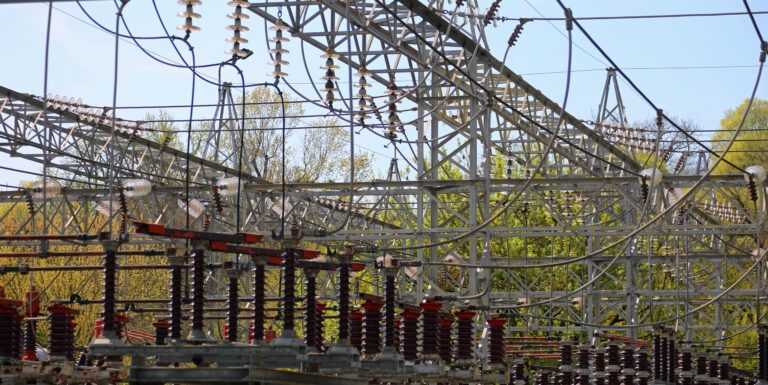
In many places throughout the state, New Jersey’s power grid is over a century old. Integrating new clean energy sources—such as solar and wind—poses challenges. Project delays due to grid connection issues lead to cancellations and disputes over cost allocations2.
Delayed clean energy projects, combined with resistance from environmental groups on natural gas projects, hinder ratepayers’ access to cost-effective energy. Aging infrastructure also affects grid stability and resilience. The EMP lacks a comprehensive plan for grid modernization. Upgrading transmission lines, substations, and distribution networks is essential but underemphasized.
Distribution System Constraints
South Jersey’s distribution system operates at capacity, hindering solar integration. Connecting residential solar systems becomes problematic, affecting homeowners and installers. Reduced solar adoption means missed savings opportunities. Grid constraints limit distributed generation and resilience.
Without targeted investments, solar growth remains stunted. The EMP must prioritize localized upgrades and incentivize distributed energy resources.
Resilience and Risk Management
New Jersey’s energy infrastructure faces natural and man-made risks—extreme weather events, cyber threats, and physical vulnerabilities. Ensuring resilience is critical. Storm-related outages disrupt daily life, causing economic losses and health risks. While the EMP acknowledges resilience, it lacks detailed plans for hardening infrastructure and diversifying energy sources.
Balancing Clean Energy Goals and Affordability
Governor Murphy’s goal of 100% clean energy by 2050 is commendable. However, achieving this without burdening ratepayers requires careful planning. Striving for cleaner energy often comes with costs. Balancing affordability and environmental targets is challenging. The EMP must address cost concerns explicitly. Incremental transitions and equitable policies are essential.
A Pragmatic Path Forward
New Jersey’s energy challenges demand pragmatic solutions. The EMP must evolve beyond aspirational goals to actionable strategies. Stakeholder engagement, targeted investments, and adaptability are key. Balancing affordability, reliability, and environmental stewardship remains the state’s energy tightrope.
Source(s)
1. PJM’s interconnection delays threaten clean-energy goals | NJ Spotlight …
2. NJ ready to pump $300M to upgrade electric power grid? | NJ Spotlight News
3. NJ Power Outage Tracker – NJ.com
4. State of New Jersey ENERGY SECTOR RISK PROFILE
5. New NJ bill mandates 100% clean energy by 2035 – NJ Spotlight News
6. Energy Master Plan – The Official Web Site for The State of New Jersey
7. The Aspirations and Economics of the New Jersey Energy Master Plan
8. New Jersey Energy Master Plan needs a reality check
9. Questions about cost remain after release of New Jersey clean energy …
The Hidden Danger of PFAS in Electric Vehicle Batteries and the Implications for New Jersey
The transition to renewable energy and electric vehicles (EVs) has been hailed as a key solution to the climate crisis. However, a recent study reveals a hidden danger lurking within the very heart of this green revolution: the lithium-ion batteries that power our EVs and other devices.
Lithium-ion batteries, the rechargeable powerhouses found in most EVs, have been identified as a new source of hazardous ‘forever chemical’ pollution. Some lithium-ion battery technologies use a class of PFAS chemicals, or per-and polyfluoroalkyl substances, that help make batteries less flammable and conduct electricity.
PFAS are known as ‘forever chemicals’ because they persist in the environment for thousands of years. They build up quickly in the environment, people, and animals, and have been linked to a host of health conditions, including liver damage, high cholesterol, low birth weights, and chronic kidney disease.
The study found high levels of these PFAS in air, water, snow, soil, and sediment samples near plants that manufacture these chemicals in the US, Belgium, and France. The specific class of PFAS found is called bis-perfluoroalkyl sulfonimides, or bis-FASIs.
Bis-FASIs were found in various concentrations in more than a dozen lithium-ion batteries used in EVs and consumer electronics. These chemicals are extremely difficult to degrade and studies show they change the behavior of aquatic organisms at low concentrations
The environmental and health impacts of mining lithium and other minerals used in batteries are well documented, but it’s only now that researchers are uncovering lithium-ion batteries as a source of PFAS pollution.
The findings underscore the trade-offs that come with switching to cleaner cars and renewable energy. “Slashing CO2 emissions with innovations like electric cars is critical, but it shouldn’t come with the side effect of increasing PFAS pollution,” said Jennifer Guelfo, an associate professor of environmental engineering at Texas Tech University and coauthor of the study.
The issue is of global concern because lithium-ion batteries are used worldwide. The same class of PFAS has recently been detected at low levels in European and Chinese water, but the source of the pollution was unclear.
In New Jersey, as of March 2024, there are 185,163 electric vehicles registered in the state. The state’s Advanced Clean Cars II mandate requires that starting in 2026, 51% of 2027 model year car sales must be electric, and by 2035 all new car sales must be electric. The rapid increase in EVs in the state brings the issue of PFAS pollution closer to home.
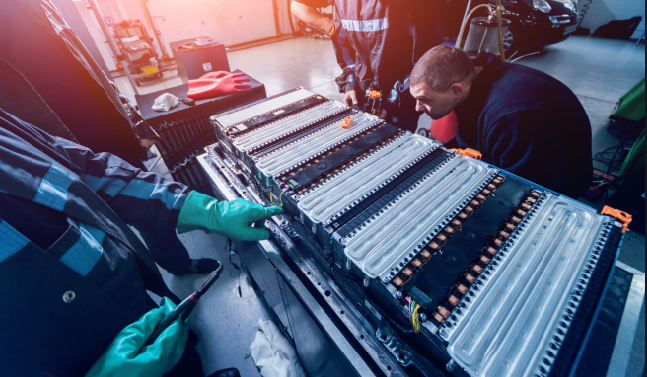
Moreover, the challenge of recycling EV batteries adds another layer of complexity. The chemical makeup of EV batteries makes them difficult and dangerous to take apart and recycle due to the presence of metals like cobalt, nickel, manganese, and lithium. These batteries require specific conditions for the safe extraction, processing, and reuse of the minerals, as they are toxic and can be flammable or explosive if mishandled.
The potential for PFAS emission during the battery recycling process remains unclear. Both organic and inorganic fluorinated substances are widely reported in LIB components, including the electrodes and binder, electrolyte (and additives), and separator². Among the most common substances are LiPF 6 (an electrolyte salt), and the polymeric PFAS polyvinylidene fluoride (used as an electrode binder and a separator).
Currently, the most common LIB recycling process involves pyrometallurgy, which operates at high temperatures (up to 1600 °C), sufficient for PFAS mineralization. However, hydrometallurgy, an increasingly popular alternative recycling approach, operates under milder temperatures (<600 °C), which could favor incomplete degradation and/or formation and release of persistent fluorinated substances. This is supported by the wide range of fluorinated substances detected in bench-scale LIB recycling experiments.
In conclusion, while the shift to renewable energy and EVs is crucial in the fight against climate change, it is equally important to address the emerging issue of PFAS pollution from lithium-ion batteries and the challenges of recycling these batteries. More research is needed to fully understand the extent of this problem and to develop safer alternatives.
Sources:
(1) Lithium ion batteries a growing source of PFAS pollution, study finds. https://phys.org/news/2024-07-lithium-ion-batteries-source-pfas.html.
(2) Lithium-ion battery recycling: a source of per- and polyfluoroalkyl …. https://pubs.rsc.org/en/content/articlehtml/2023/em/d2em00511e.
(3) Environmental Science Processes & Impacts – RSC Publishing. https://pubs.rsc.org/en/content/articlepdf/2023/em/d2em00511e.
(4) Lithium-ion battery recycling: a source of per- and polyfluoroalkyl …. https://pfascentral.org/science/lithium-ion-battery-recycling-a-source-of-per-and-polyfluoroalkyl-substances-pfas-to-the-environment.
Flashback-When Superstorm Sandy Knocked out New Jersey’s Largest Sewage Treatment Plant

As we head into the 2024 hurricane season, it’s important to remember the impact of Superstorm Sandy and how the region has tried to prepare for future storms.
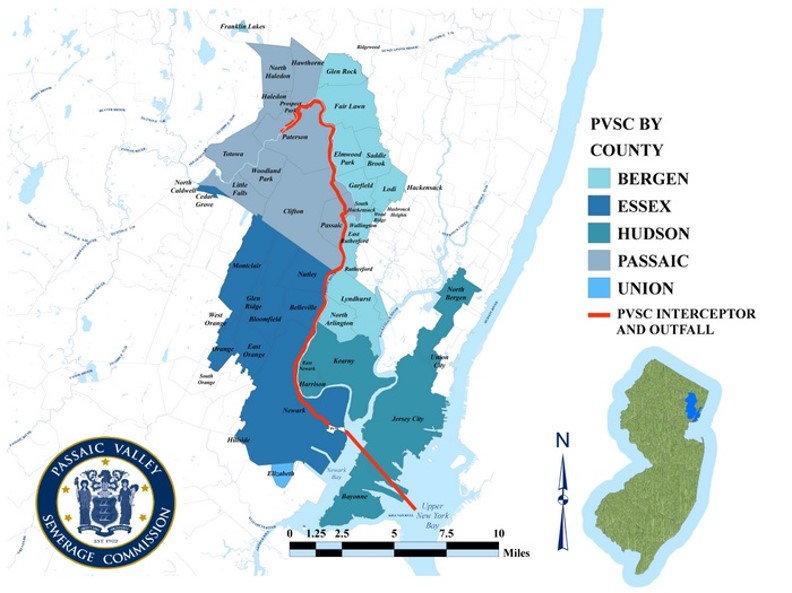
In October 2012, Superstorm Sandy wreaked havoc on the northeastern United States, causing widespread devastation. One of the most significant impacts was on the Passaic Valley Sewerage Commission (PVSC) in Newark, New Jersey. The storm surge from Sandy knocked the PVSC water treatment plant completely offline for almost three days. This power loss led to the release of approximately 840 million gallons of untreated sewage into the Passaic River, Newark Bay, and surrounding waterways. The untreated sewage posed severe public health risks, including the spread of harmful bacteria and viruses, and caused significant environmental damage.
The PVSC plant, one of the largest wastewater treatment facilities in the United States, serves over 1.5 million residents and thousands of businesses in 48 northeastern New Jersey communities. The loss of power not only disrupted the plant’s operations but also highlighted the vulnerability of critical infrastructure to extreme weather events. The incident underscored the need for a reliable backup power solution to prevent such disasters in the future.
In response to the catastrophic impact of Superstorm Sandy, the PVSC proposed the construction of a Standby Power Generation Facility (SPGF). This $180 million project aims to provide a reliable backup power source to ensure the continuous operation of the sewage treatment plant during power outages. The SPGF is designed to be fueled by natural gas, which was determined to be the cleanest and most efficient fuel source that meets the reliability requirements6. The facility will also include additional pollution controls, such as upgrading sludge heat treatment boilers and removing outdated equipment, to reduce overall emissions.
The proposed solution has faced criticism from environmentalists and community groups, particularly those in the Ironbound neighborhood of Newark, which is already burdened by pollution. Opponents argue that the natural gas power plant will contribute to greenhouse gas emissions and exacerbate climate change. They have called for the use of renewable energy sources, such as wind and solar power, instead of natural gas. However, PVSC consulting engineers evaluated these options and determined that they could not meet the facility’s power requirements due to the large amount of power needed and the necessity for the SPGF to be available at all times, regardless of weather conditions.
Despite the opposition, the New Jersey Department of Environmental Protection (DEP) has given limited approval for the construction of the SPGF, with strict conditions to mitigate its environmental impact. The DEP’s approval requires the PVSC to install a minimum of 5 megawatts of solar power and 5 megawatts of battery storage at the sewage treatment plant. Additionally, the PVSC must study how to transition from the natural gas plant to a renewable energy alternative, including the possibility of green hydrogen. These measures aim to reduce the overall pollution emitted by the facility and ensure that the backup power plant is used only in emergencies.
The construction of the SPGF is a critical step towards enhancing the resilience of the PVSC and protecting public health and the environment. While the project has faced challenges and opposition, it represents a necessary investment in infrastructure to prevent future sewage disasters. The lessons learned from Superstorm Sandy have driven the PVSC to take proactive measures to ensure that such an incident does not occur again.
Sources:
Statement on the Construction of the Standby Power Generation Facility: https://nj.gov/pvsc/news/press/2021/pdf/20210610A.pdf
Murphy gives OK to controversial North Jersey power plant: https://www.northjersey.com/story/news/environment/2024/07/18/murphy-gives-ok-to-controversial-north…
Standby Power Generation Facility Project – ArcGIS StoryMaps: https://storymaps.arcgis.com/stories/e4c82f0f817f4ad9877b56dc61bbdc5c
New Jersey to allow power plant hotly fought by Newark residents: https://abcnews.go.com/US/wireStory/new-jersey-power-plant-hotly-fought-newark-residents-112066214
Power plant on Passaic River proposal moves forward – Bergen Record: https://www.northjersey.com/story/news/environment/2022/04/27/passaic-valley-sewerage-power-plant-pa…
Passaic Valley Sewerage Commission: https://www.nj.gov/pvsc/
The 2021 Wind Drought: Impact on Power Output, Energy Sources, and Consumer Prices
In 2021, Europe experienced an unprecedented “wind drought,” a period of unusually low wind speeds that significantly impacted wind energy production. This phenomenon had far-reaching consequences for power output, energy sources, and consumer energy prices.
Impact on Power Output
The wind drought of 2021 led to a substantial decline in wind energy production across Europe. For instance, the UK reported a 32% drop in power output from its renewable assets during this period. Wind turbines, which rely on consistent wind speeds to generate electricity, were unable to produce the expected amount of energy. This shortfall highlighted the vulnerability of relying heavily on a single renewable energy source and underscored the need for a diversified energy portfolio.
Energy Sources Used to Make Up for the Shortfall
To compensate for the reduced wind energy production, several alternative energy sources were utilized:
- Natural Gas: Natural gas plants were ramped up to meet the increased demand for electricity. This shift was necessary to ensure a stable power supply.
- Coal: In some cases, coal plants that had been mothballed were brought back online. For example, the UK had to reignite two coal plants to make up for the shortfall in wind energy. This move was a step backward in terms of environmental goals but was deemed necessary to maintain energy security.
- Hydropower: Despite the drought conditions affecting hydropower generation in some regions, hydropower remained a reliable source of electricity.
- Solar Power: Solar energy played a complementary role during the wind drought. The high-pressure systems that caused low wind speeds often brought clear skies, which boosted solar power generation.
Impact on Energy Prices for Consumers
The wind drought had a significant impact on energy prices for consumers. In the UK, the wholesale cost of spot electricity rose to a record high in December 2021. This increase in wholesale prices was passed on to consumers, resulting in higher energy bills.
The situation was exacerbated by other factors, such as the global rebound in energy demand post-pandemic and limited supply of fossil fuels. Some European countries, like Spain, implemented emergency measures to cap prices and limit utilities’ profits to mitigate the impact on consumers. However, these measures had their own consequences, affecting the ability of energy companies to invest in future renewable energy projects.
Conclusion
The 2021 wind drought was a stark reminder of the challenges associated with transitioning to renewable energy sources. While wind energy is a crucial component of a sustainable energy future, the event highlighted the importance of a diversified energy mix to ensure reliability and stability.
Sources:
“Climate Change and Wind Power: The Winds of Change,” Swiss Re Institute, 2024
“Europe’s Wind Drought: A Renewable Energy Crisis,” The Guardian, 2021.
“Impact of Wind Drought on Energy Prices,” Financial Times, 2021.
“Hydropower’s Role During the Wind Drought,” Renewable Energy Journal, 2021.
“Solar Power’s Contribution During Low Wind Periods,” Energy Today, 2021.
Opinion: The Turnpike’s expansion project will keep New Jersey’s economy strong. Here’s how [NorthJersey.com]
![Opinion: The Turnpike’s expansion project will keep New Jersey’s economy strong. Here’s how [NorthJersey.com]](https://tristateinfrastructurenews.com/wp-content/uploads/2024/08/71882907007-img-3233.jpg-768x576.webp "Opinion: The Turnpike’s expansion project will keep New Jersey’s economy strong. Here’s how [NorthJersey.com]")
The New Jersey Turnpike Authority plans to widen the Turnpike into Jersey City, starting with the Newark Bay Bridge, as part of an $11 billion project. This expansion aims to ease traffic congestion and support the state’s economy, which relies on efficient transportation for commuters and goods. The ports of Newark and Elizabeth significantly contribute to the economy, generating substantial tax revenue and jobs. Lalevee claims that the project is essential for maintaining New Jersey’s economic vitality.
This Op-Ed from IUOE Local 825 Business Manager Greg Lalevee looks at the importance of the Turnpike Expansion project. Lalevee argues that New Jersey’s economic success is tied to its dense population, active ports, and heavy commuter traffic.
Read the full story here: https://www.northjersey.com/story/opinion/2024/08/01/nj-turnpike-expansion-project/74605878007/