
Our Infrastructure Matters Ad
Home Blog Page 38

Energy Resilience in Healthcare: Mission Critical

0

Modern healthcare facilities depend upon reliable energy. During natural disasters and power outages, keeping a healthcare facility powered is mission critical.

In September 2024, hospitals in the Southeastern United States experienced blackouts, wind damage, and flooding due to Hurricane Helene. While most hospitals were able to use generators or backup systems to maintain operations, the situation highlighted the vulnerability of healthcare facilities to power outages. The aftermath of the hurricane saw healthcare workers struggling to locate staff and patients, and some facilities were forced to halt elective procedures.

In August 2023, White Memorial Hospital in Los Angeles experienced a blackout during a tropical storm. The hospital had to evacuate more than 200 patients from a building housing neonatal intensive care and OB-GYN units due to the loss of power.

And closer to home, Woodhull Hospital in Brooklyn, New York, experienced a power outage in September 2023 due to torrential rain. The hospital had to evacuate over 150 patients, including those in the ICU, as backup power systems failed. Reports emerged of patients screaming in distress during the chaotic evacuation, highlighting the urgent need for reliable energy resiliency measures in healthcare facilities.

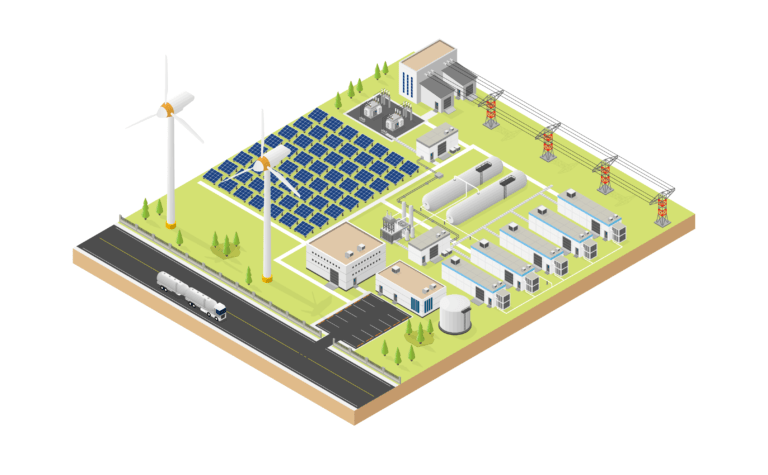
The “California Microgrids for Healthcare Facilities” study released in 2021 by the California Energy Commission provides valuable insights into addressing the challenges of energy resiliency in healthcare. The study evaluates microgrids – power generation/storage, switching, and control systems – that enable facilities to continue to function during blackouts. A properly designed microgrid allows a facility to “island” – power itself independently – when the grid goes down by using on-site energy generation sources like solar panels, wind turbines, and natural gas generators. The microgrid disconnects from the main grid, allowing the facility to operate independently and maintain essential services until the grid is restored.

The “California Microgrids for Healthcare Facilities” study evaluates microgrids powered by various energy sources – diesel, natural gas, solar, wind, and battery – to see which combinations can best provide at least 96 hours of backup power during prolonged power outages. 

The study finds that while renewable energy sources can play a role in backup and resilience, 100% renewable backup solutions are not feasible due to the intermittent nature of solar and wind power, along with the cost and facility footprint required to meet the 96 hour threshold. The study concluded that microgrids combining renewable sources with a generator fueled by piped natural gas provided the best balance of emissions and reliability for hospitals in California.

When the energy grid goes down, healthcare facilities must keep running. Energy resilience in healthcare facilities is essential for maintaining the continuity of care and protecting the health and safety of patients. And with more frequent and more powerful storms expected due to climate change, hospitals must re-evaluate and re-invest in backup power systems. By implementing energy resiliency measures, healthcare facilities can better prepare for and respond to emergencies, ultimately improving patient outcomes and community health. The recent examples of Hurricane Helene and the blackout at White Memorial Hospital highlight the importance of reliable backup power systems. The “California Microgrids for Healthcare Facilities” study provides valuable insights into the feasibility of microgrids with piped natural gas as a solution for energy resiliency in healthcare. By investing in energy resiliency measures, healthcare facilities can better prepare for this new normal.

Sources:

HHS Shares Health Sector Climate Resilience and Emissions Reduction Announcements at COP29, https://www.hhs.gov/about/news/2024/11/18/hhs-shares-health-sector-climate-resilience-and-emissions-reduction.html

Electricity in health-care facilities – World Health Organization (WHO), https://www.who.int/news-room/fact-sheets/detail/electricity-in-health-care-facilities

Building climate resilient health services with sustainable energy, https://www.who.int/news/item/07-10-2022-building-climate-resilient-health-services-with-sustainable-energy

Healthcare Facilities and Power Outages – FEMA.gov, https://www.fema.gov/sites/default/files/2020-07/healthcare-facilities-and-power-outages.pdf

Hospitals mostly rebound after Helene knocked out power | AP News, https://apnews.com/article/helene-asheville-hospitals-southeast-recovery-3076ac4366152f19a84a004f4ccf7e9e

What Happens If a Hospital Loses Power During a Disaster? – GovTech, https://www.govtech.com/em/what-happens-if-a-hospital-loses-power-during-a-disaster

New York City Hospital Evacuated as Rainstorm Causes Power Outage | Local News, https://www.localnews.com/nyc-hospital-evacuated-rainstorm-power-outage?form=MG0AV3

Microgrids for Healthcare Facilities – HCAI – Department of Health Care, https://hcai.ca.gov/document/hbsb-microgrid-for-healthcare-facilities-white-paper/Lessons Learned from Energy Commission Microgrid Projects, https://www.energy.ca.gov/sites/default/files/2024-06/CEC-500-2024-067.pdf

How do you know if your town has lead service lines? Problem pipes are all over N.J. [NJ.com]

0

From NJ.com:

”…non-profit New Jersey Future, an advocacy and research group that promotes smarter land use and growth policies, estimated the Garden State needs roughly $2.8 billion in the next 10 years to replace all its lead service lines. Prior state estimates have placed the figure as high as $3.2 billion.”

”Here are ways you can find out more information for yourself:

  • Look at your local water quality report. The public records, also called “consumer confidence reports,” are something cities have to file every year by a given deadline. “They have to test for lead and it will report to you the amount of parts per billion of lead that’s in your drinking water,” said Cantor
  • Get your own water tested
  • Check if your town keeps a map of what local service lines are made of. Highland Park and Trenton do. New Jersey American Water provides an online tool too“

Read the full story on NJ.com [Subscription required]:https://www.nj.com/essex/2024/10/how-do-you-know-if-your-town-has-lead-service-lines-problem-pipes-are-all-over-nj.html

Newburgh Landing Pier secures funding from county [Mid Hudson News]

An oversight committee of the Orange County Legislature Monday approved $4 million in federal funding for reconstruction of the Newburgh Landing pier on the Hudson River.

Read the full story at Mid Hudson News: https://midhudsonnews.com/2024/11/19/newburgh-landing-pier-secures-funding-from-county/

New Jersey American Water Completes Acquisition of Manville Wastewater Collection System [Tapinto Hillsborough]

0

”New Jersey American Water has completed its acquisition of the wastewater collection system of the Borough of Manville for $6.5 million. 

This municipally owned system serves approximately 4,300 customers, most of whom already receive water service from New Jersey American Water.

The New Jersey Board of Public Utilities approved the municipal consent on Sept. 24, allowing New Jersey American Water to provide wastewater service to Manville customers as of the closing of the transaction.”

FULL STORY HERE: https://www.tapinto.net/towns/hillsborough/sections/business-and-finance/articles/new-jersey-american-water-completes-acquisition-of-manville-wastewater-collection-system-2

Poll of Registered Voters on Energy Issues

0

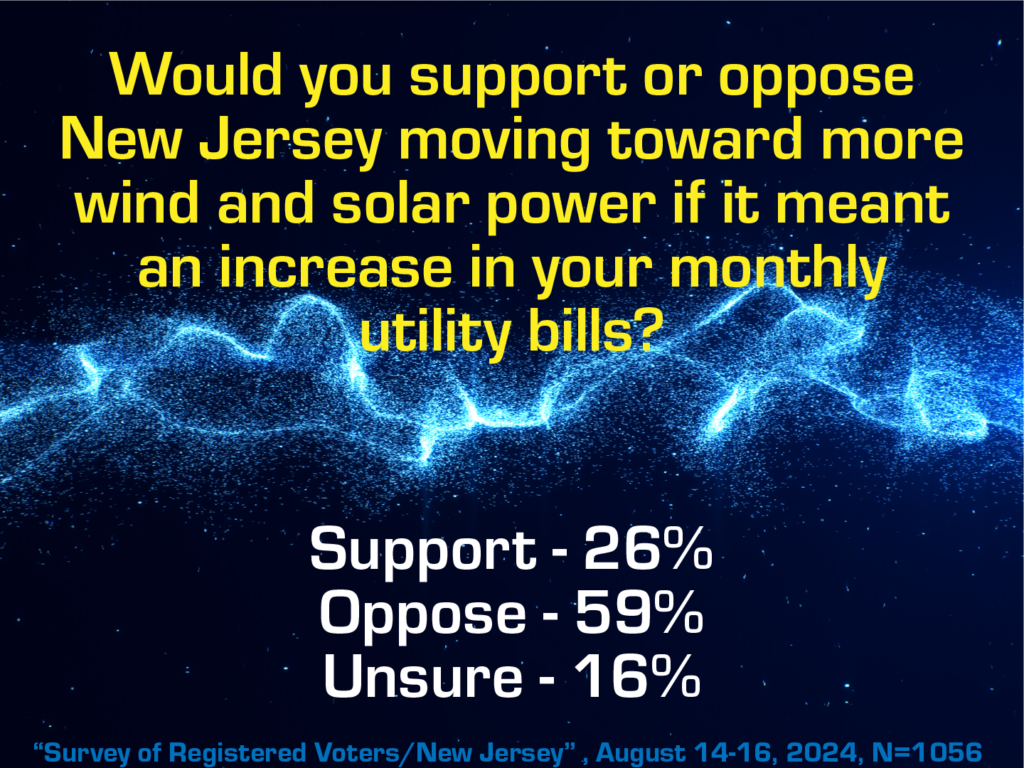
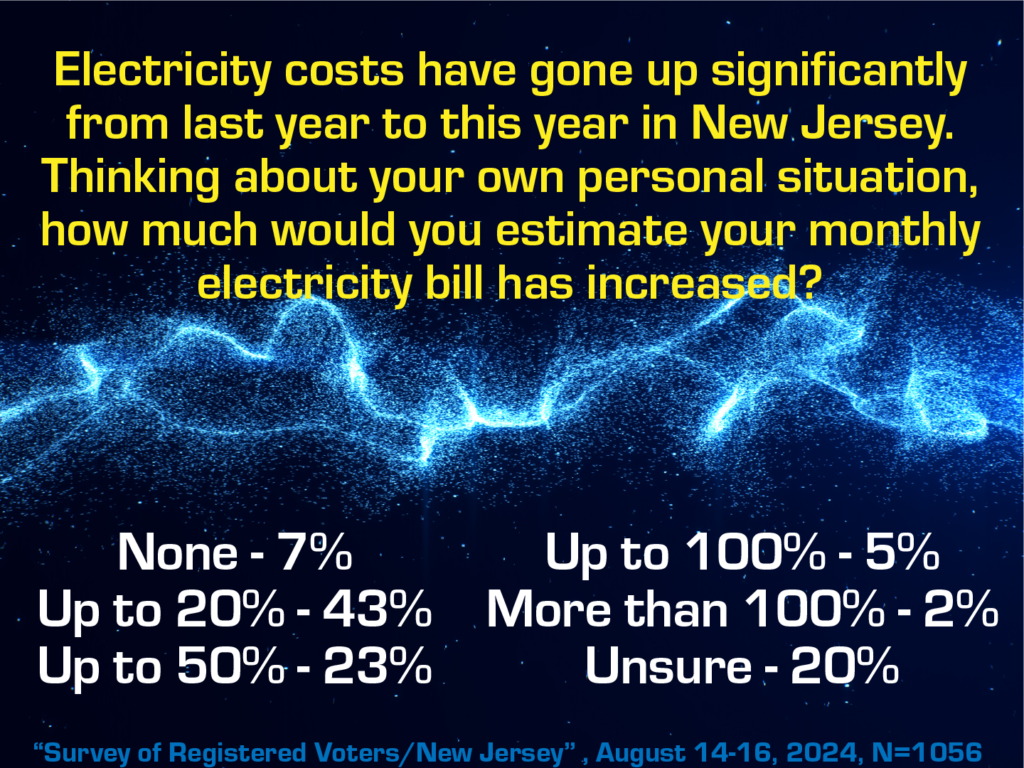
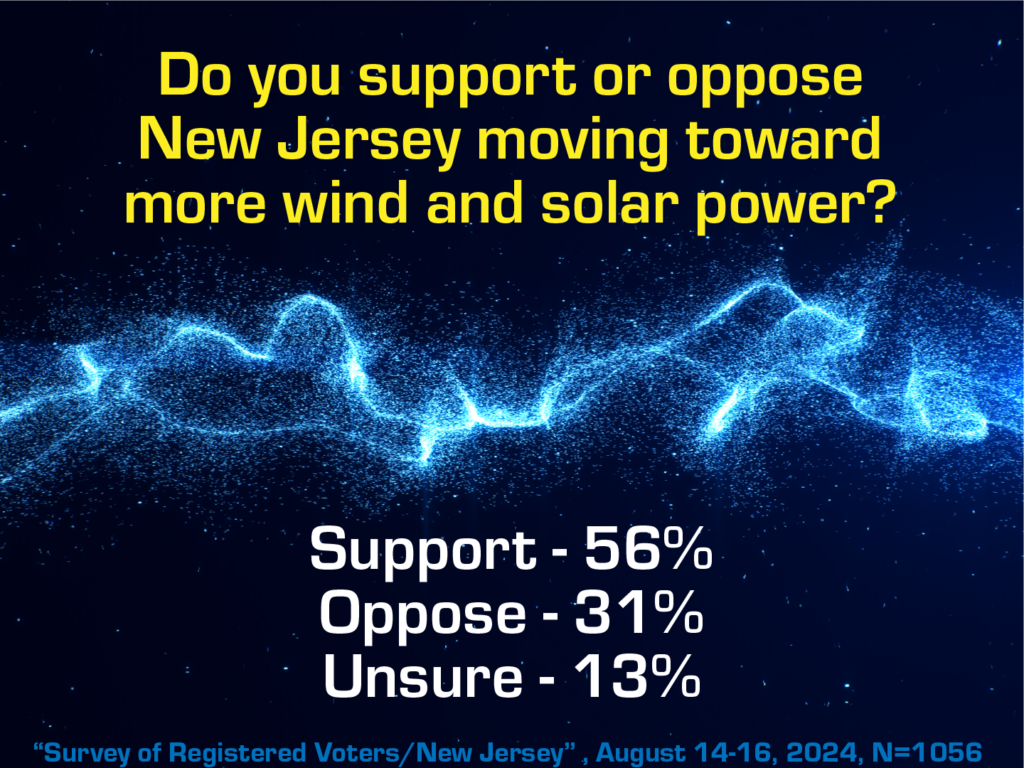
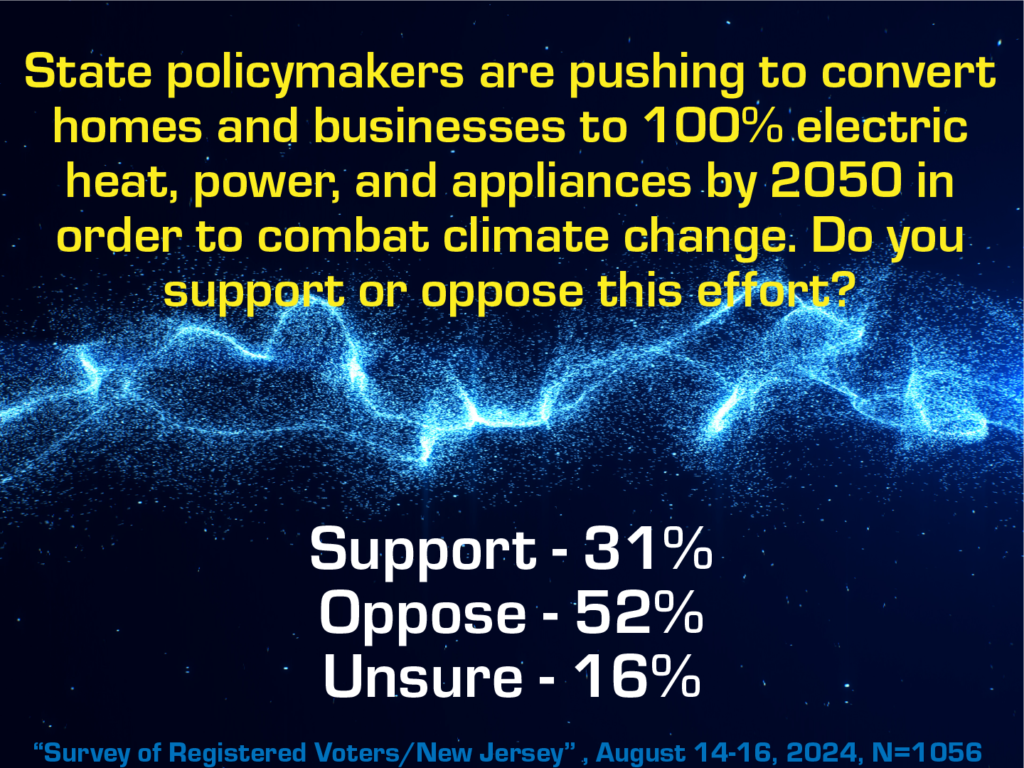
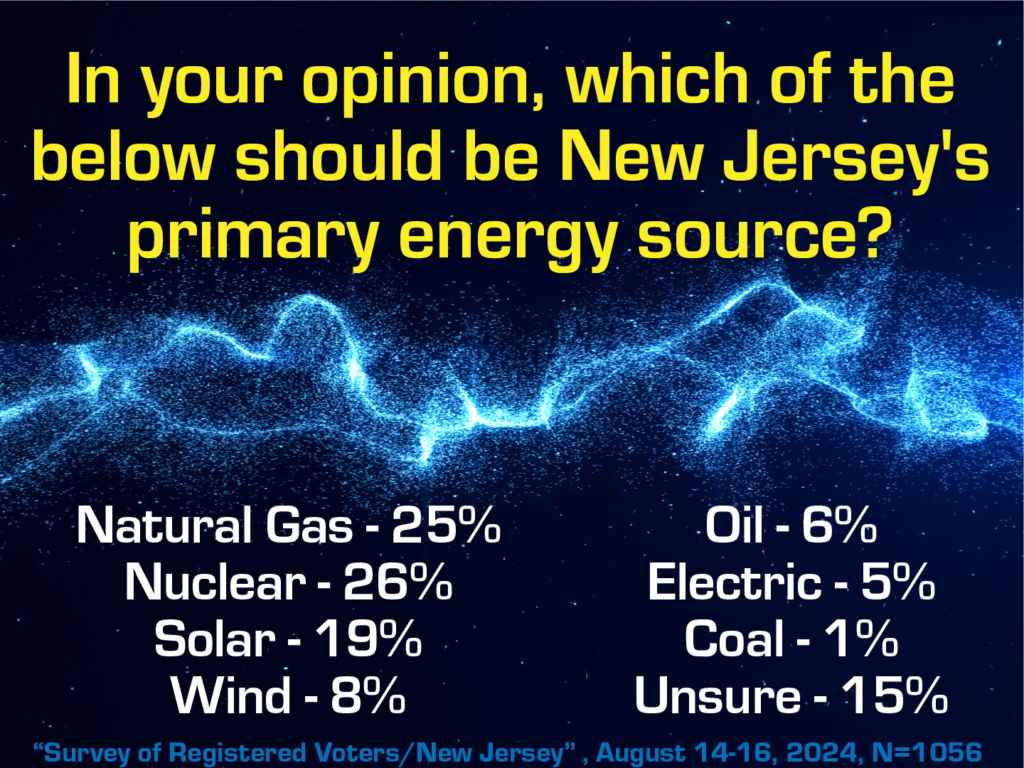
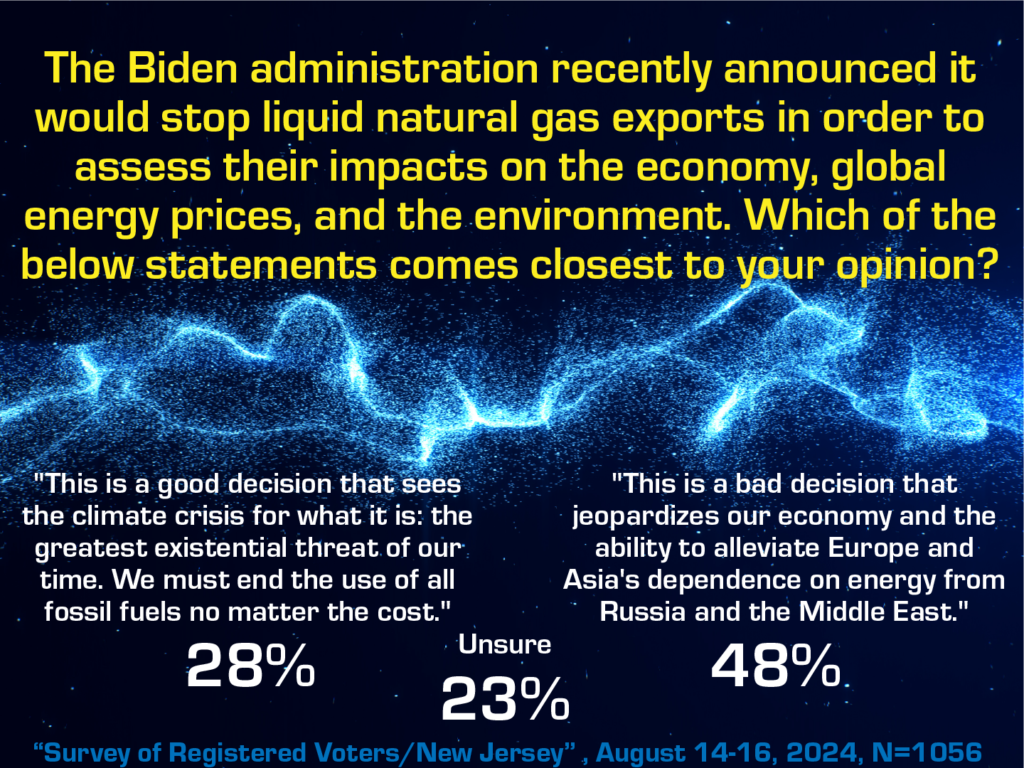
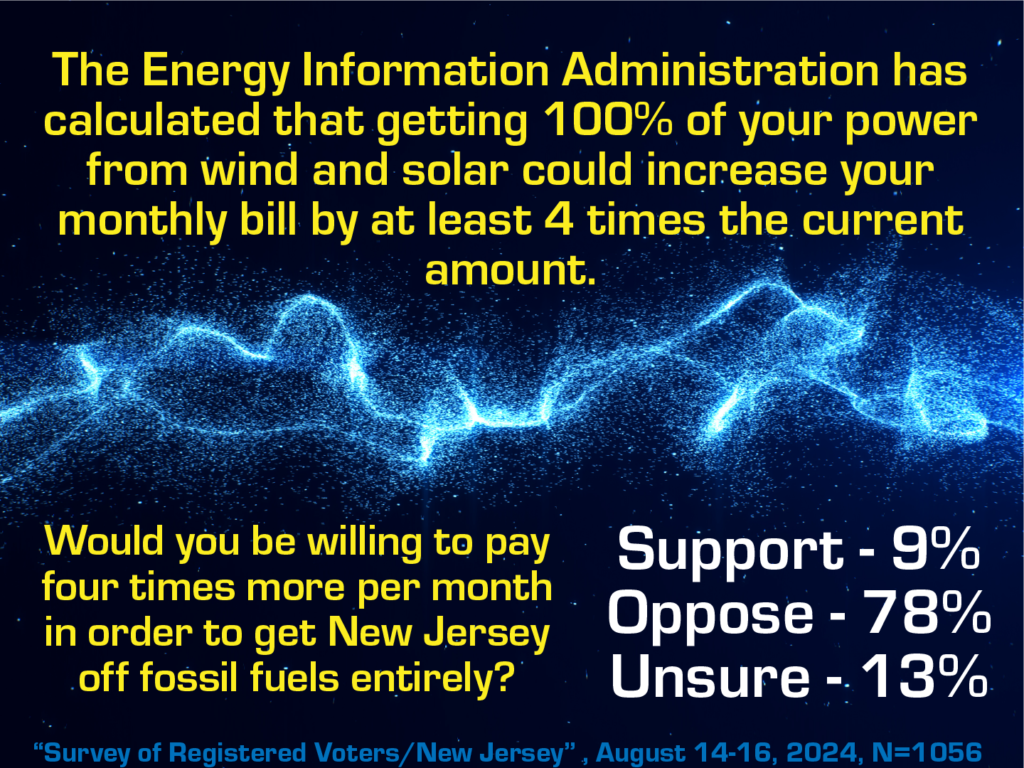
An August 2024 poll of New Jersey registered voters reveals significant insights into public opinion regarding energy sources and climate change. A clear preference for natural gas emerged, with 25% of respondents identifying it as the state’s primary energy source, followed by nuclear (20%) and solar (19%). Despite a general support for renewable energy, with 56% favoring a shift towards more wind and solar power, this support diminishes to 26% if it entails higher utility bills.

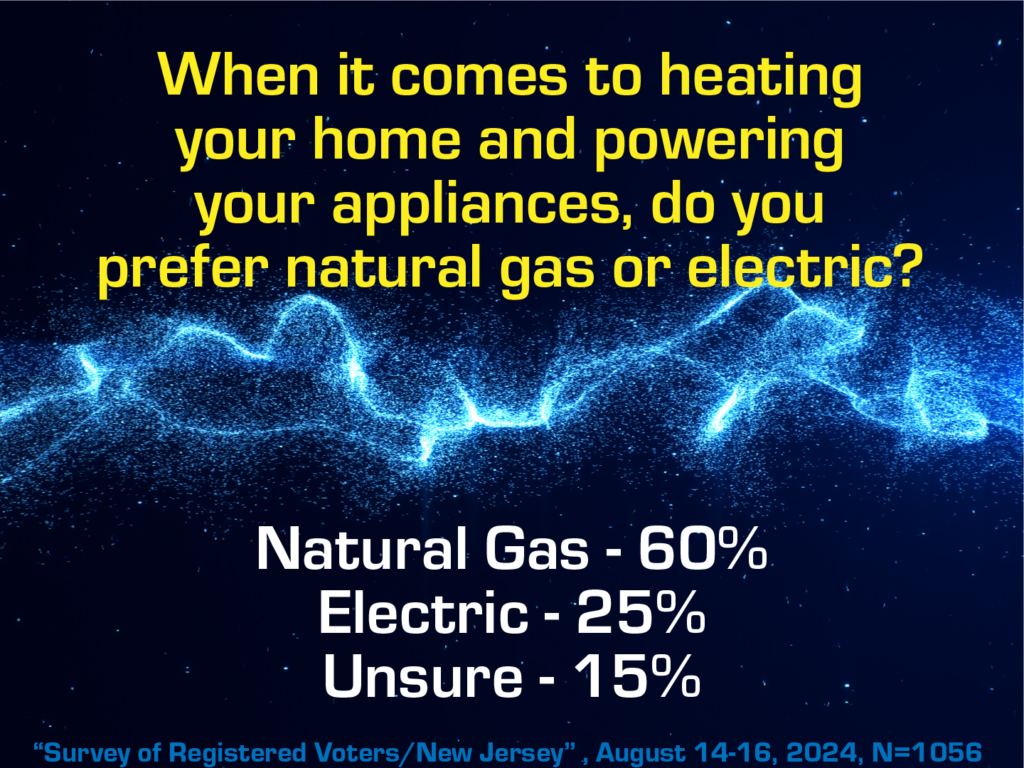
The survey indicates a notable decline in the reputation of renewable energy sources, with favorable views on wind power dropping from 72% in July 2021 to 61% in August 2024, and solar power from 83% to 73% over the same period. Additionally, 60% of respondents prefer natural gas for heating and powering appliances, while only 25% favor electric options. 

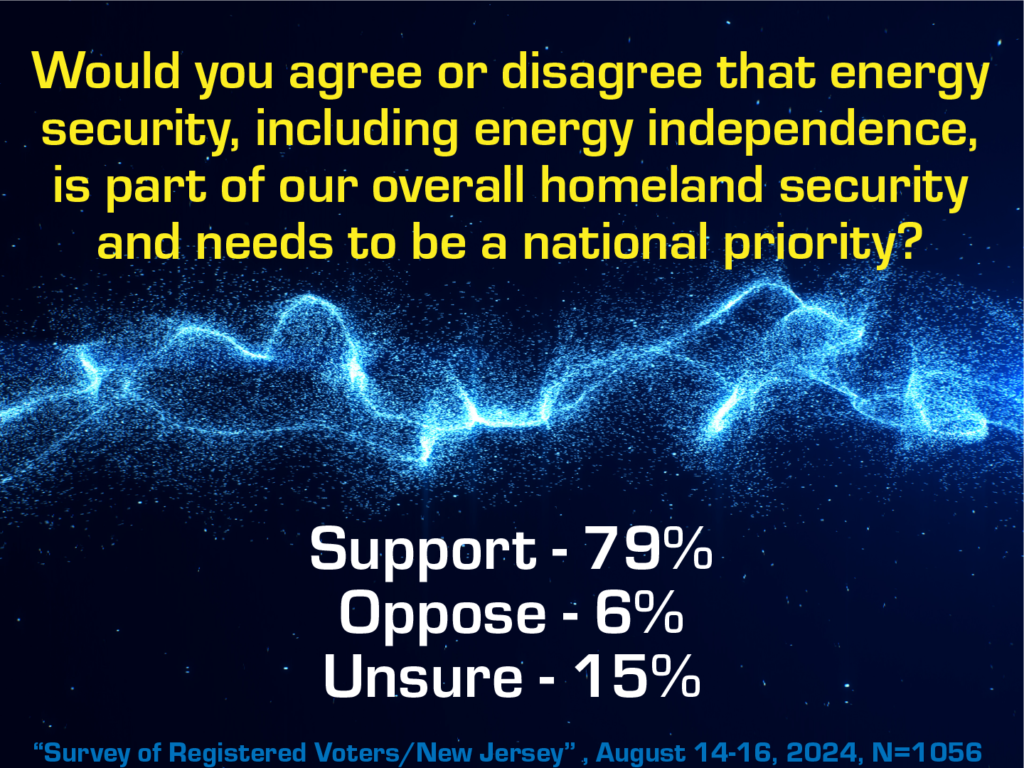
When considering climate change, 39% of voters view it as the greatest threat of our time, advocating for immediate action, while 34% believe it is a solvable issue that can be addressed over time. A significant 79% agree that energy security should be a national priority, yet only 9% are willing to pay four times more for energy sourced entirely from wind and solar.

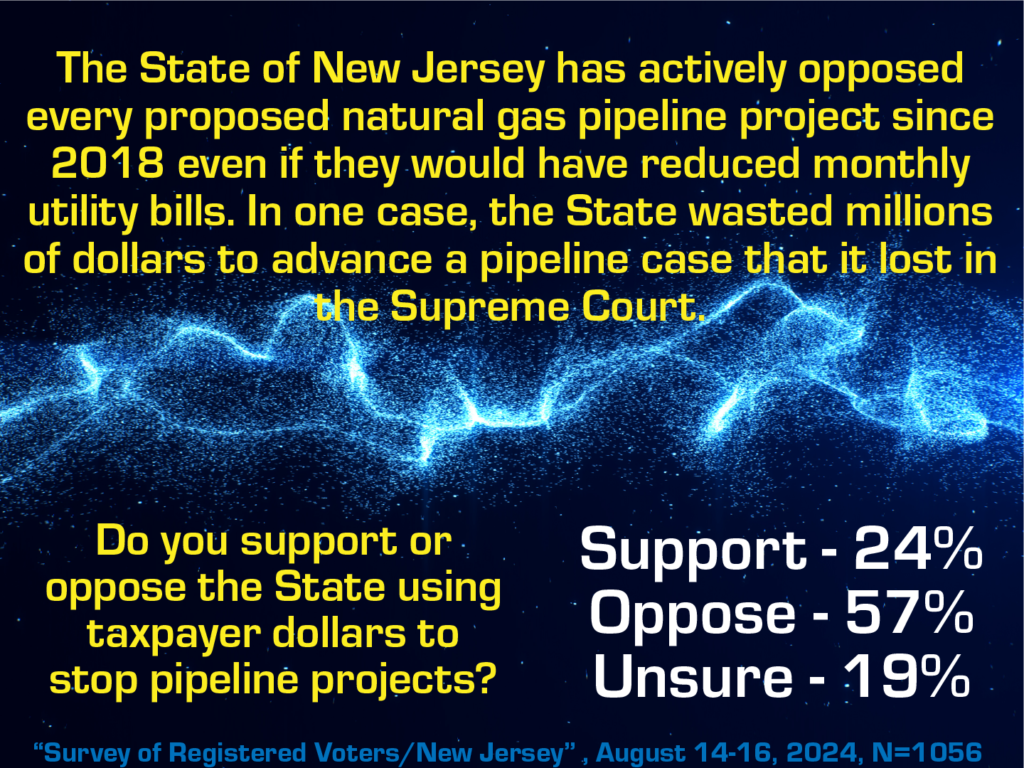
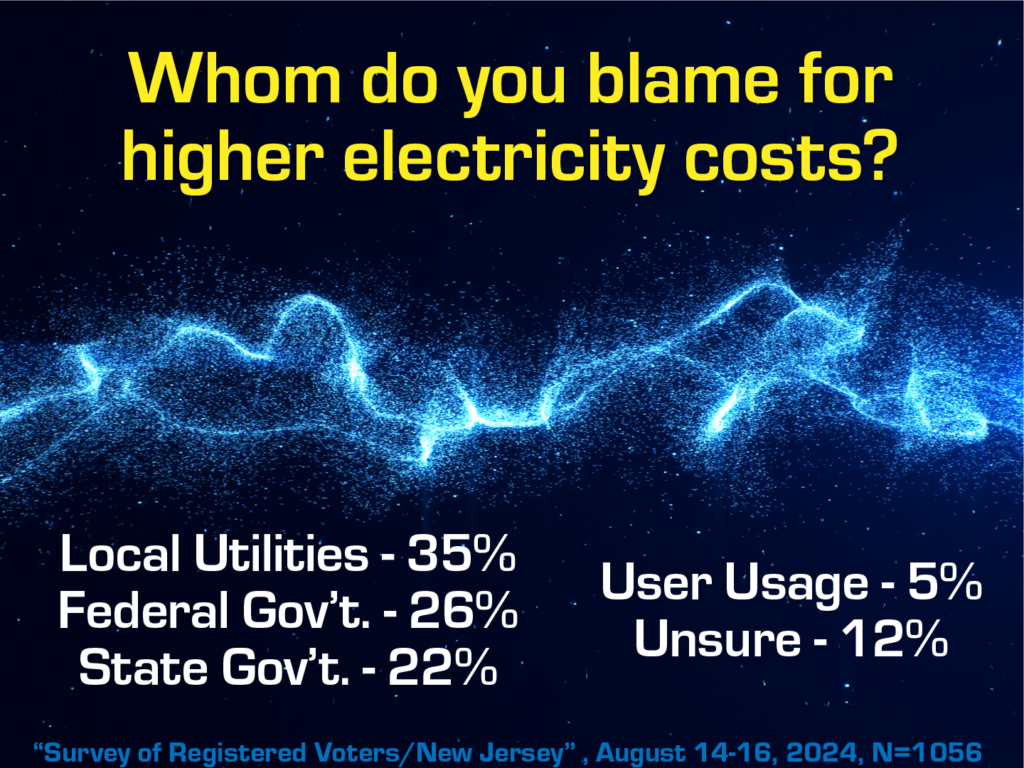
Overall, the findings illustrate a complex relationship between New Jersey voters’ support for renewable energy and their concerns about costs, indicating a preference for traditional energy sources while expressing some willingness to transition towards renewables, provided it does not significantly impact their monthly expenses.

NJ receives millions of federal dollars for water quality upgrades [NJ Spotlight]

0

”Pennsylvania, New Jersey and Delaware are receiving millions of dollars in new funding from the Bipartisan Infrastructure Law to improve drinking water quality, upgrade wastewater treatment, remove lead pipes and protect watersheds.

The federal dollars come as water providers across the nation grapple with new Environmental Protection Agency requirements to remove toxic chemicals from drinking water, and replace lead service lines over the next decade.”

Read the full story on NJ Spotlight: https://www.njspotlightnews.org/2024/10/nj-receives-millions-of-federal-dollars-for-water-quality-upgrades/

N.J. county replacing its longest, and one its oldest, bridges with $47M from feds [NJ.com]

0

“‘For nearly a century, the Lincoln Avenue Bridge has tied together neighborhoods in our Capital City, and by replacing the aging structure we ensure that this corridor remains safe and accessible to Trenton residents for generations to come,’ Benson said in a statement.

The span, at 687 feet, is the longest Mercer County-owned bridge and one of the oldest too, officials said.”

Read the full story on NJ.com: NJ.com: https://www.nj.com/mercer/2024/11/nj-county-replacing-its-longest-and-one-its-oldest-bridges-with-47m-from-feds.html?outputType=amp

Supersized: How Heavier EVs Affect Roads

0

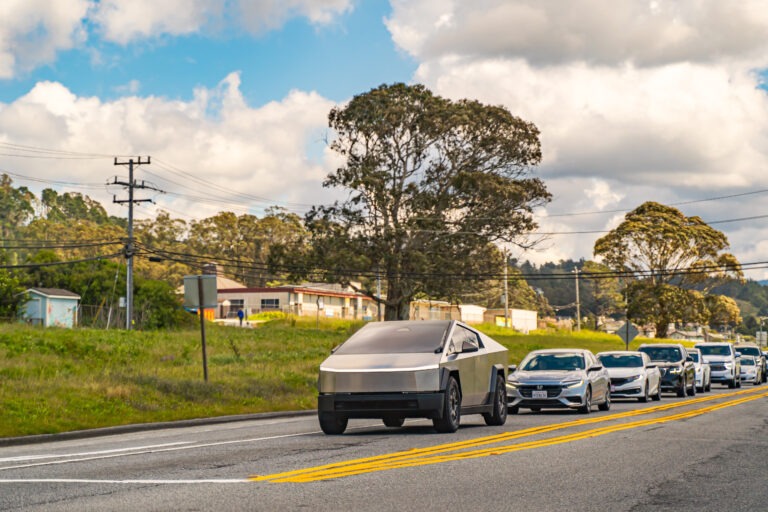
Electric vehicles (EVs) are becoming increasingly popular as a sustainable alternative to traditional gasoline-powered cars. However, one significant difference between the two is weight. EVs are generally heavier than their gas-powered counterparts, primarily due to the large batteries required to power them. This added weight has implications for both safety and road maintenance, which need to be addressed as EV adoption continues to rise.

Why Are EVs Heavier?

The primary reason for the increased weight of EVs is their batteries. Lithium-ion batteries, which are commonly used in EVs, are much heavier than the internal combustion engines found in gasoline-powered cars. For example, the battery pack of a 2023 GMC Hummer EV weighs around 2,900 pounds, contributing to the vehicle’s total weight of over 9,000 pounds⁷. In comparison, a similar gas-powered vehicle, like the GMC Sierra, weighs less than 6,000 pounds⁷. On average, EVs can weigh about 30% more than gas-powered vehicles⁶.

Safety Considerations

The additional weight of EVs has several safety implications. While the heavier weight can provide better protection for the occupants of the EV in the event of a crash, and the batteries’ placement often results in a lower center of gravity, improving stability and reduce the risk of rollovers¹, the increased weight also means that EVs can cause more damage in collisions with lighter vehicles, pedestrians, or cyclists¹. Studies have shown that the risk of fatality increases by 47% for every 1,000 pounds added to a vehicle’s weight².

Moreover, the increased weight of EVs can strain existing infrastructure, such as parking garages and bridges, which may not have been designed to accommodate such heavy vehicles². This concern was highlighted by the collapse of a parking garage in New York City, which, although not directly caused by EVs, underscored the potential risks associated with heavier vehicles¹.

Road Maintenance Challenges

The heavier weight of EVs also poses challenges for road maintenance. While EVs are not the primary culprits of road wear—heavy trucks and semitrucks cause the most damage—the additional weight of EVs can still contribute to the deterioration of road surfaces⁶. This is particularly concerning as the number of EVs on the road continues to grow. In 2022, there were approximately 3 million EVs on U.S. roads, and this number is expected to increase significantly in the coming years⁶.

One of the challenges with road maintenance is funding. Gasoline taxes are a major source of revenue for road maintenance, but EV owners do not pay these taxes⁶. To address this, some states have implemented additional fees for EV owners to help offset the loss of gas tax revenue and fund road improvements⁶. However, more comprehensive solutions may be needed to ensure that roads can handle the increased weight of EVs without deteriorating rapidly.

Conclusion

As the adoption of electric vehicles continues to rise, it is essential to address the safety and road maintenance challenges associated with their increased weight. While EVs offer numerous environmental benefits, their heavier weight can pose risks to other road users and impact road maintenance and how that maintenance is funded. By addressing these challenges proactively, we can ensure that the transition to electric vehicles is both safe and sustainable.

Sources:

  1. EVs are much heavier than gas vehicles, and that’s posing safety problems. Axios. https://www.axios.com/2023/04/28/evs-weight-safety-problems.
  2. EVs outweigh gas cars, but semitrucks do most road damage. Politifact. https://www.politifact.com/article/2023/jun/21/carry-that-weight-electric-vehicles-outweigh-gas-c/.
  3. As electric vehicles become more common, experts worry they could pose a safety risk for other drivers. CBS News. https://www.cbsnews.com/news/electric-vehicle-safety-heavy-battery/.
  4. EVs are getting too heavy and too powerful, safety chief says. Ars Technica. https://arstechnica.com/cars/2023/01/top-safety-advisor-raises-alarm-about-ever-heavier-evs/.
  5. EV Weight Surge Sparks Safety and Environmental Concerns. Motor Illustrated. https://motorillustrated.com/ev-weight-surge-sparks-safety-and-environmental-concerns/121251/.
  6. Heavier EVs are causing safety and pollution problems. Automotive News. https://www.autonews.com/manufacturing/growing-weight-evs-causing-pollution-and-safety-problems.
  7. Electric vehicles and hybrid electric vehicles safety considerations. Weightmans. https://www.weightmans.com/insights/electric-vehicles-and-hybrid-electric-vehicles-safety-considerations/.
  8. Carry that weight? Electric vehicles outweigh gas cars but aren’t main culprit of road wear. Center for Transportation Research. https://ctr.utk.edu/electric-vehicles-damage-roads/.
  9. Are Electric Vehicles Heavier Than Gas Cars? (And Safer). The Eco Guy. https://theecoguy.com/are-electric-vehicles-heavier-than-gas-cars/.
  10. Heavier EVs Tear Up California Roadways But Pay Nothing for Road Maintenance. New Geography. http://www.newgeography.com/content/008081-heavier-evs-tear-up-california-roadways-but-pay-nothing-road-maintenance.
  11. The hidden cost of road maintenance due to the increased weight of …. https://link.springer.com/article/10.1007/s10098-022-02433-8.
  12. EV Road Usage Fees: A 3-Step Guide for States. Plug In America. https://pluginamerica.org/policy/ev-road-usage-fees/.
  13. Heavier EV’s tearing up the California roadways but paying nothing for road maintenance. Climate Depot. https://www.climatedepot.com/2024/02/06/heavier-evs-tearing-up-the-california-roadways-but-paying-nothing-for-road-maintenance/.

Poll of Registered Voters on Water Issues

0

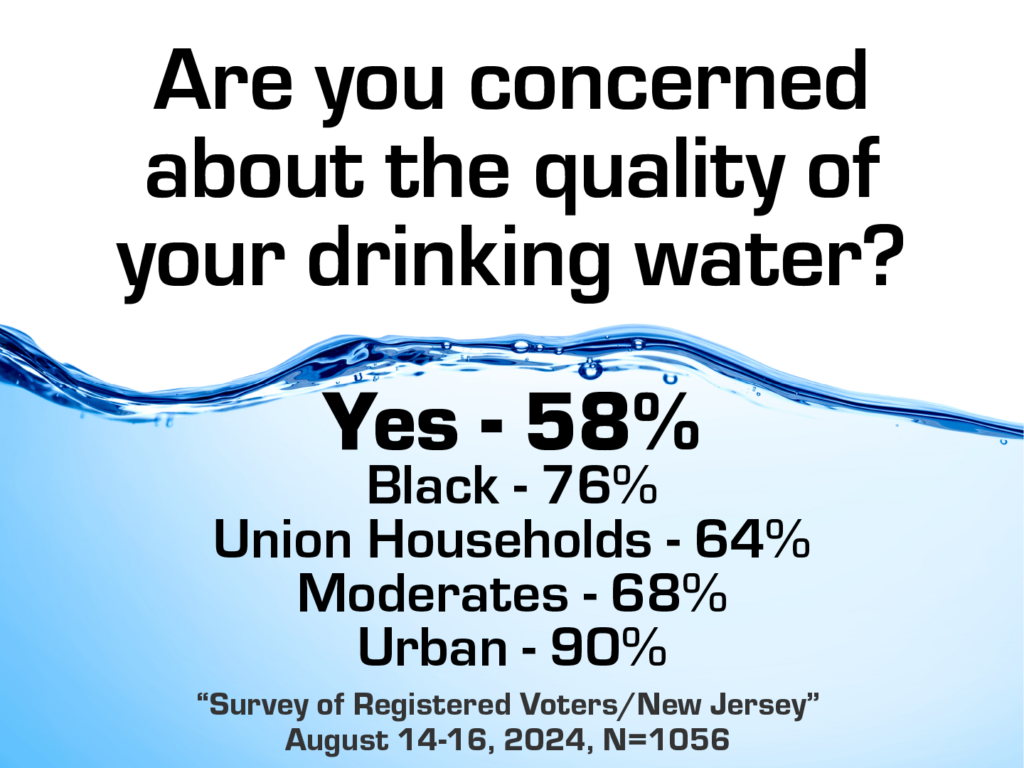
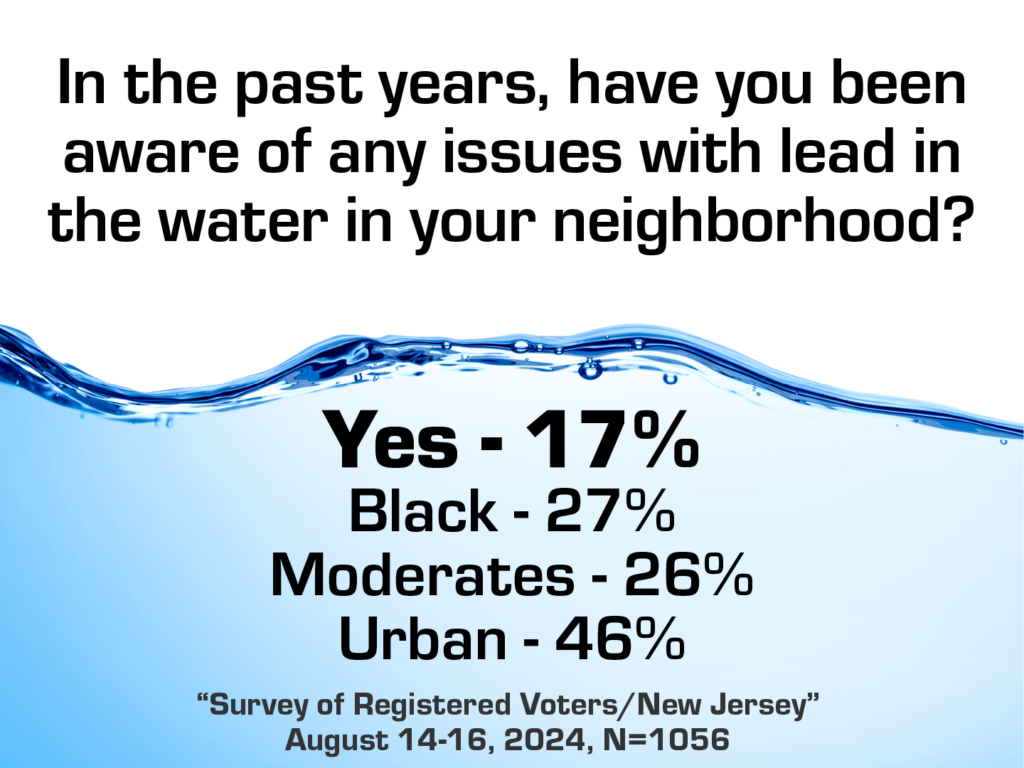
A poll conducted among 1,056 registered New Jersey voters from August 14-16, 2024, reveals significant concerns and opinions regarding water quality and infrastructure in the state. ​ A majority of respondents (58%) expressed concern about the quality of their drinking water, with higher concern among union households (64%), those aged 55-64 (63%), and Black respondents (76%). ​ Additionally, 17% of respondents reported awareness of lead issues in their neighborhood’s water supply over the past five years, with higher awareness among younger respondents aged 18-34 (20%) and Black respondents (27%). ​

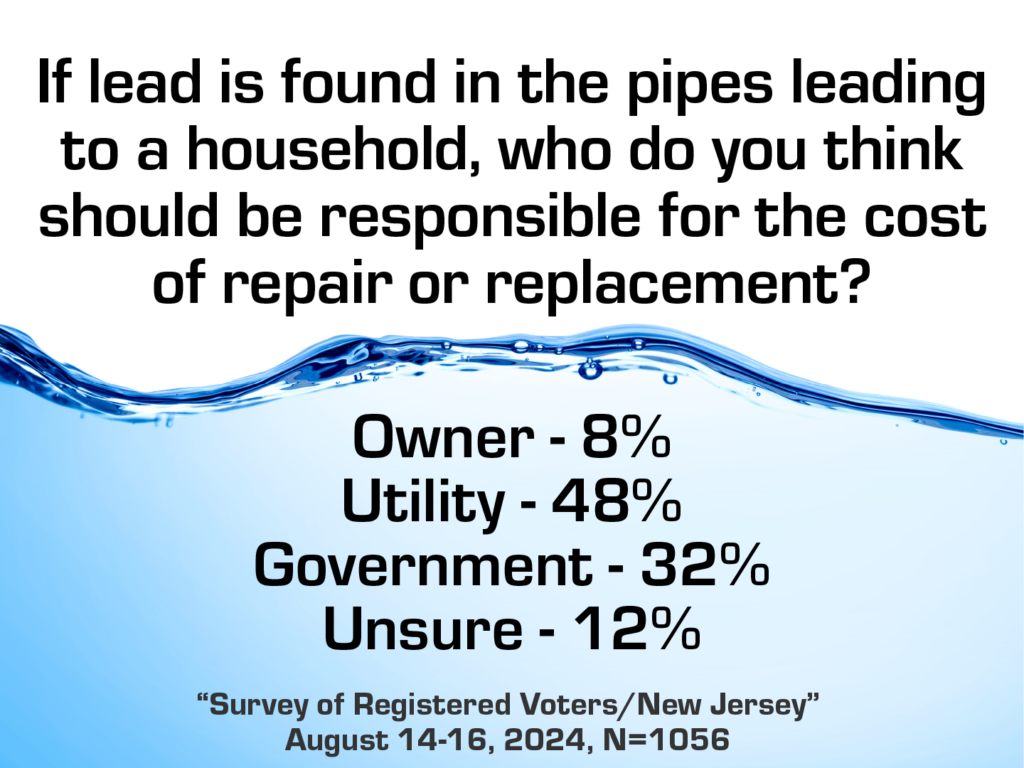
When asked who should bear the cost of repairing or replacing lead-contaminated pipes, 48% believe it should be the responsibility of the utility companies, 32% think the government should cover the costs, 8% say it should be the homeowner or landlord, and 12% are unsure. ​

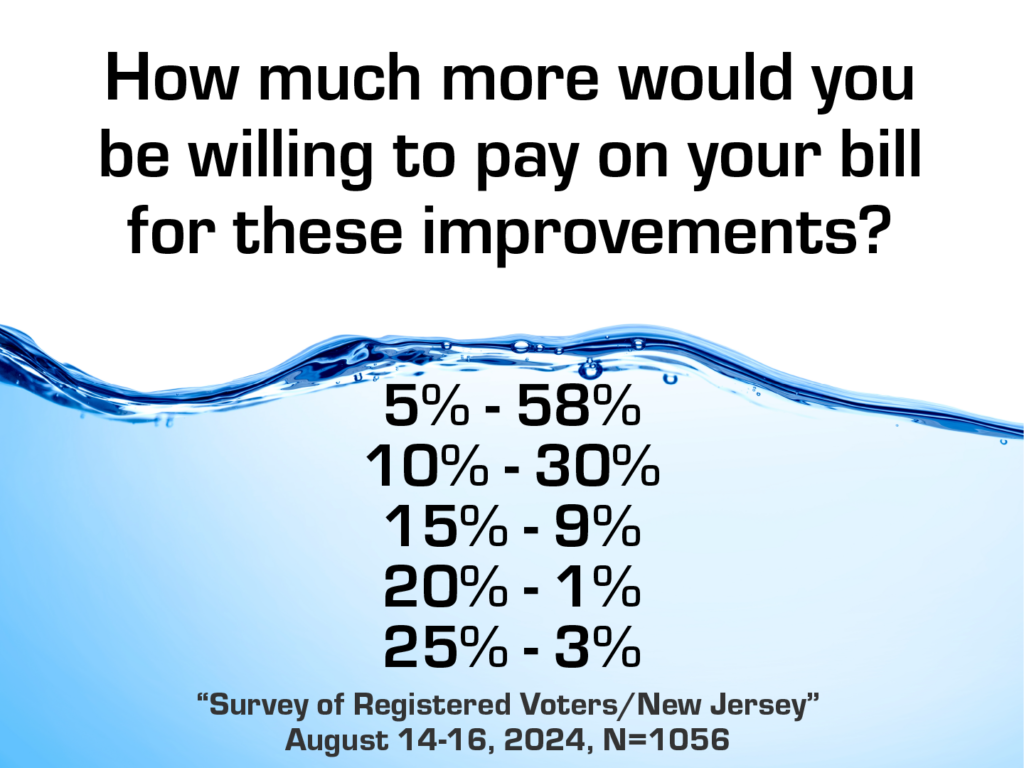
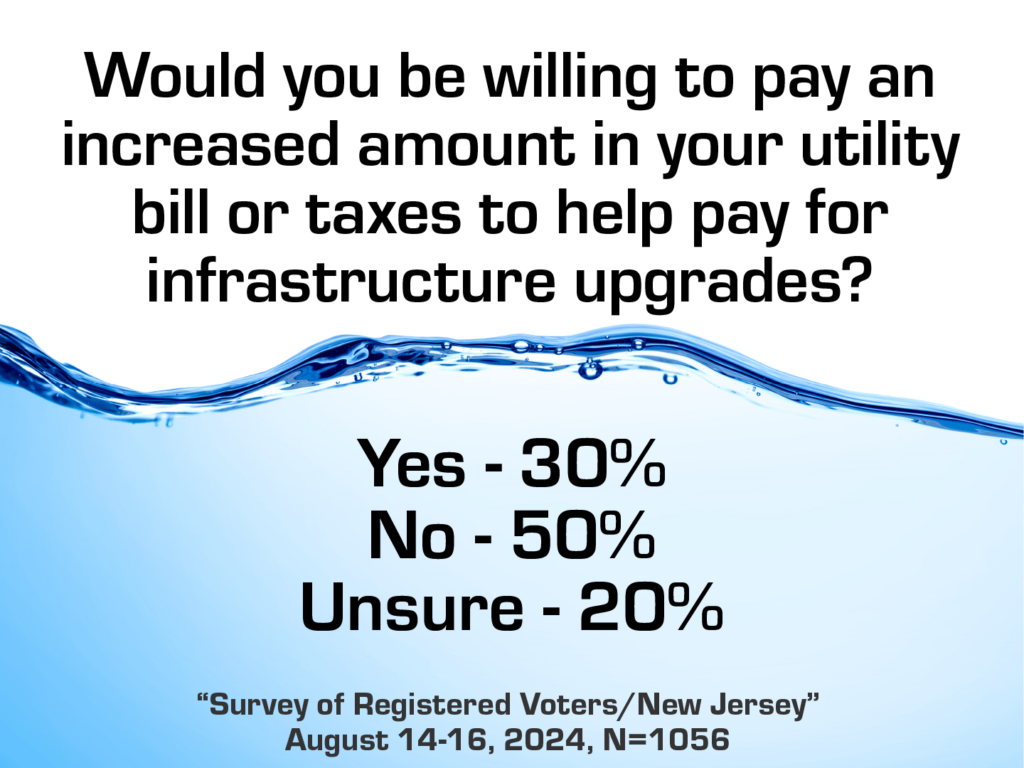
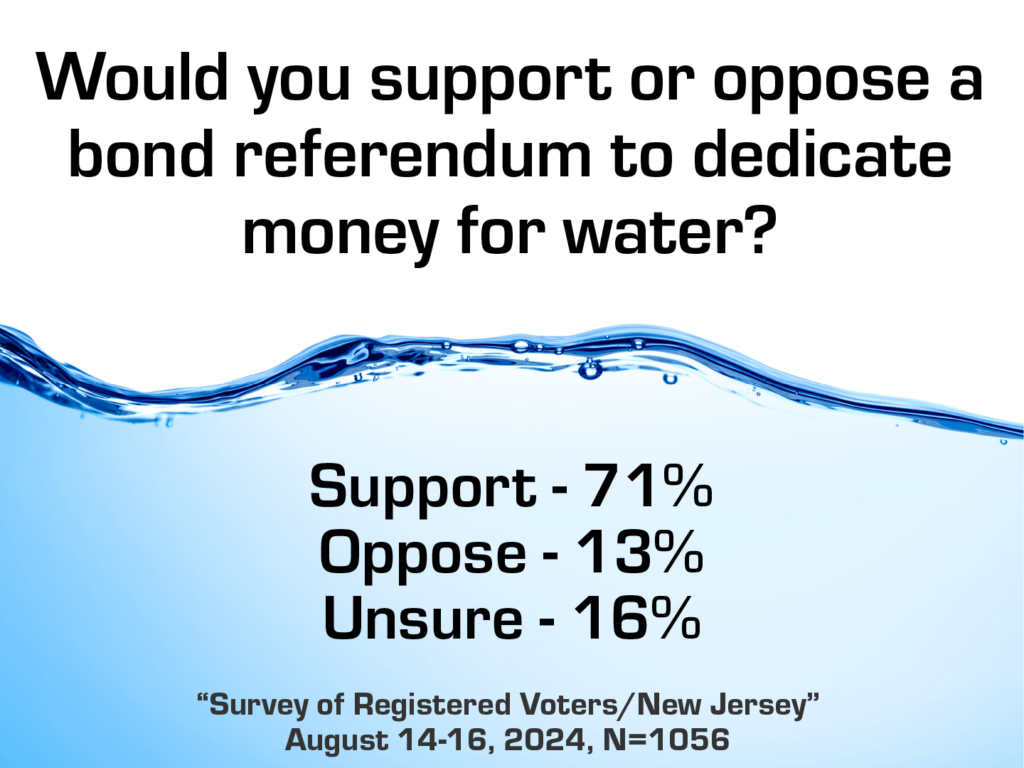
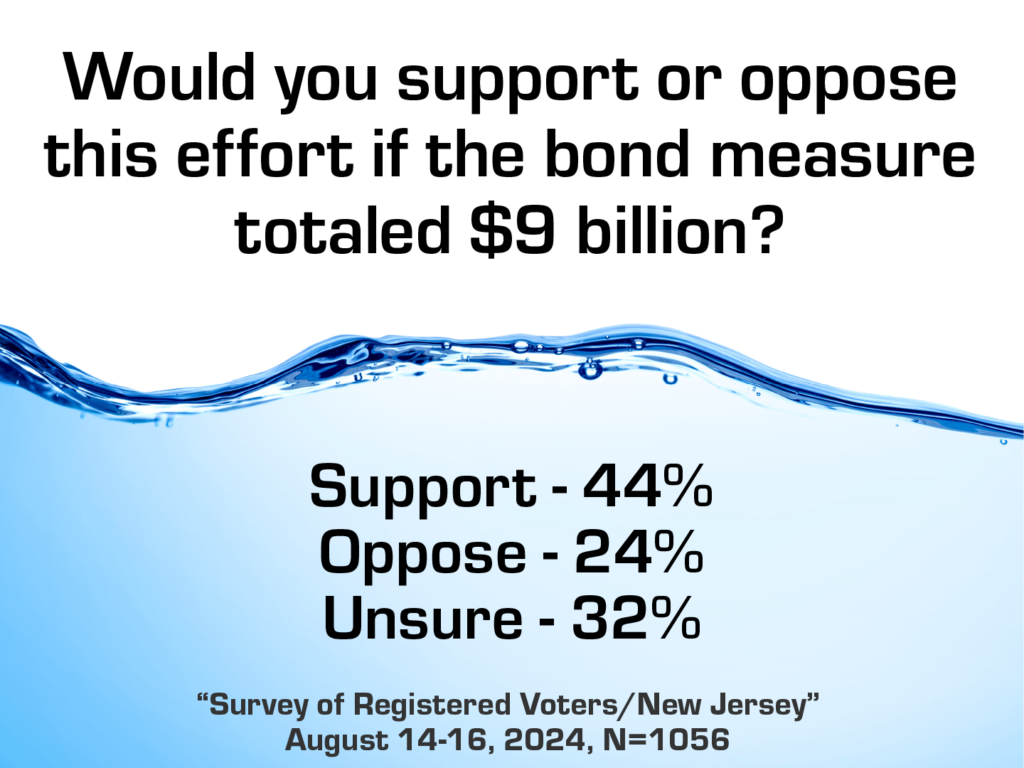
Regarding willingness to support infrastructure improvements financially, 30% of respondents are willing to pay an increased amount in their utility bills or taxes to fund upgrades, with 58% of those willing to pay more accepting up to a 5% increase. ​ Support for a bond referendum to fund water infrastructure improvements without impacting property taxes is high, with 71% in favor. However, support drops to 44% if the bond measure totals $9 billion. ​

The poll also highlights concerns about increasing flooding due to more frequent storms, with 50% of respondents expressing concern, particularly among urban residents (69%) and Asian/Pacific Islander respondents (74%). ​

Overall, the poll underscores a critical need for investment in New Jersey’s water infrastructure, with public awareness of water quality issues and a cautious willingness to support financial measures for long-term improvements.

N.J. drought worsens again, with several counties now in a rare ‘extreme’ drought [NJ.com]

”In late October, the New Jersey Department of Environmental Protection issued a Stage 3 fire ban, its highest level of restrictions, which prohibits the lighting of any open fires in any area of the state.

Most regions of New Jersey have not had any substantial rain since August, and have gotten no measurable rain since late September or early October.”

READ THE FULL STORY HERE: https://www.nj.com/weather/2024/11/nj-drought-worsens-again-with-several-counties-now-in-a-rare-extreme-drought.html