




Rutgers University leads the list with approximately 69,000 students across its New Brunswick, Newark and Camden campuses.
The rankings include public research universities, community colleges, a private Catholic university and an institution focused primarily on online education.
Each profile compares enrollment, campus locations, notable programs and published tuition costs.
New Jersey’s largest colleges educate tens of thousands of students across campuses that range from sprawling public research universities to community colleges and primarily online institutions. Together, they support the state’s workforce, research economy and communities while offering students markedly different paths to a degree.
How the rankings were determined
This list ranks New Jersey colleges by reported student enrollment for the 2023–2024 academic year, or the most recent year available. Each entry also highlights the institution’s campus, programs and published tuition to show how size translates into educational reach across the state.
10. Brookdale Community College

“The Donald D. Warner Student Life Center at Brookdale Community College, Lincroft, New Jersey,” photo by Zeete, licensed under CC-BY-SA 4.0.
Type: Public community college
Enrollment: 9,921
Campus: Brookdale’s 220-acre main campus is in Lincroft, near the Jersey Shore.
Other locations: Higher Education Centers in Freehold, Long Branch, Neptune and at Fort Monmouth in Wall extend Brookdale’s reach across Monmouth County. A partnership with Rutgers University also brings bachelor’s degree programs to the Lincroft and Freehold campuses.
Programs: Brookdale’s offerings include culinary arts, jewelry design and automotive technology. Culinary students gain hands-on experience through an on-campus restaurant.
Tuition: In-county tuition is about $5,100 per year. Out-of-county students generally pay about twice that amount, although regional rates may apply in neighboring counties.
Notable fact: Bruce Springsteen’s band performed at Brookdale’s “Nothing’s Festival” in 1971. Springsteen later took a photography course at the college.
9. Seton Hall University

Photo: Google Earth
Type: Private Catholic university
Enrollment: 9,529
Campus: Seton Hall’s 58-acre main campus in South Orange combines Collegiate Gothic buildings with a suburban setting.
Other locations: Seton Hall Law is based in Newark, while the Interprofessional Health Sciences campus in Nutley houses the College of Nursing and School of Health and Medical Sciences.
Programs: The School of Diplomacy and International Relations gives students access to diplomats, policymakers and global leaders. The university is also known for law, nursing and health sciences.
Tuition: Published tuition is about $50,000 per year, although the university reports that more than 98 percent of students receive grants or scholarships. Merit awards can substantially reduce the advertised price for qualifying students.
Notable fact: Seton Hall competes in NCAA Division I and is best known nationally for its men’s basketball program.
8. Middlesex College (formerly Middlesex County College)
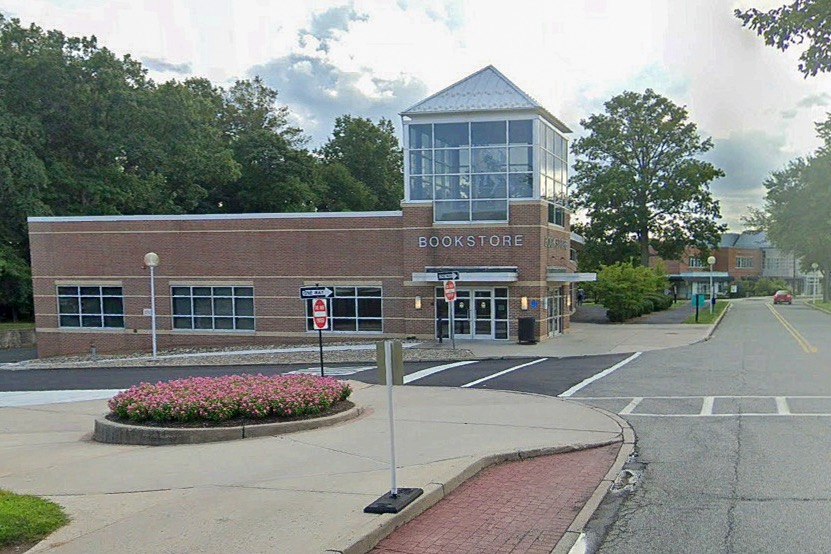
Type: Public community college
Enrollment: 11,471
Campus: Middlesex College’s main campus covers more than 200 acres in Edison.
Other locations: Centers in New Brunswick and Perth Amboy offer evening and weekend classes, expanding access beyond the main campus.
Programs: Middlesex offers career-focused and transfer programs, including a nursing program whose 2023 graduates achieved a 100 percent first-time pass rate on the NCLEX-RN. In 2020, the institution dropped “County” from its name as part of a broader repositioning effort.
Tuition: In-county tuition is about $4,800 per year. Out-of-county residents generally pay about twice the per-credit rate.
7. Bergen Community College
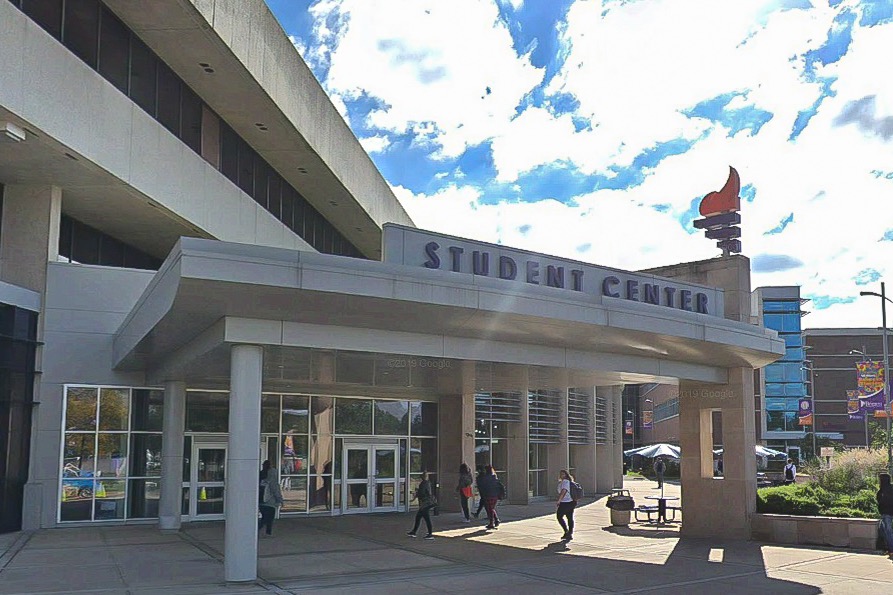
Type: Public community college
Enrollment: 11,803
Campus: Bergen Community College’s 167-acre main campus is in Paramus.
Other locations: The Meadowlands campus in Lyndhurst and the Ciarco Learning Center in Hackensack expand access across Bergen County. The Hackensack center focuses on adult education and English-language learning.
Programs: Bergen offers associate degrees and certificates in health professions, technology, computer science and culinary arts. Many students use those programs as a path to employment or transfer to a four-year university.
Tuition: In-county tuition is about $5,300 per year. Out-of-county students generally pay about twice that amount.
Notable fact: Bergen is among New Jersey’s largest community colleges, giving it an important role in the state’s transfer and workforce-development systems.
6. New Jersey Institute of Technology (NJIT)
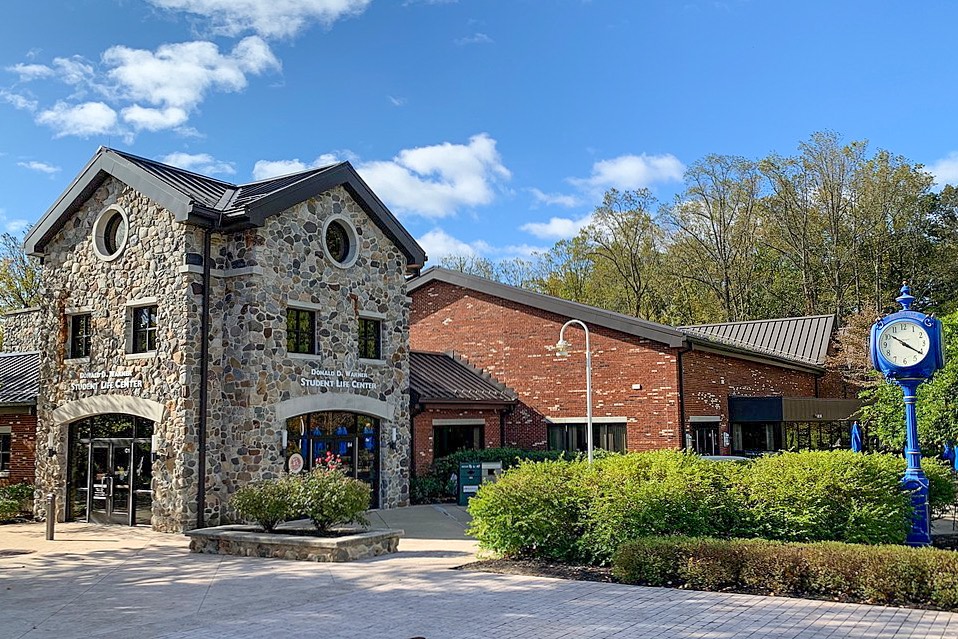
“NJIT Eberhardt Hall, Newark, New Jersey” by Andrew nyr, licensed under CC BY-SA 4.0.
Type: Public polytechnic research university
Enrollment: 12,332
Campus: NJIT’s 45-acre campus is in Newark’s University Heights district, near Rutgers–Newark and Essex County College.
Other locations: NJIT operates a graduate site in Jersey City, offers programs through partnerships in Camden and maintains a substantial online presence.
Programs: NJIT specializes in science, technology, engineering and mathematics. Its offerings also include architecture, computing and video game design.
Tuition: Annual tuition is about $21,162 for New Jersey residents and $39,912 for out-of-state students.
Notable fact: Enrollment has grown by nearly 20 percent over the past decade, reflecting rising demand for technology-focused education.
5. Thomas Edison State University (TESU)
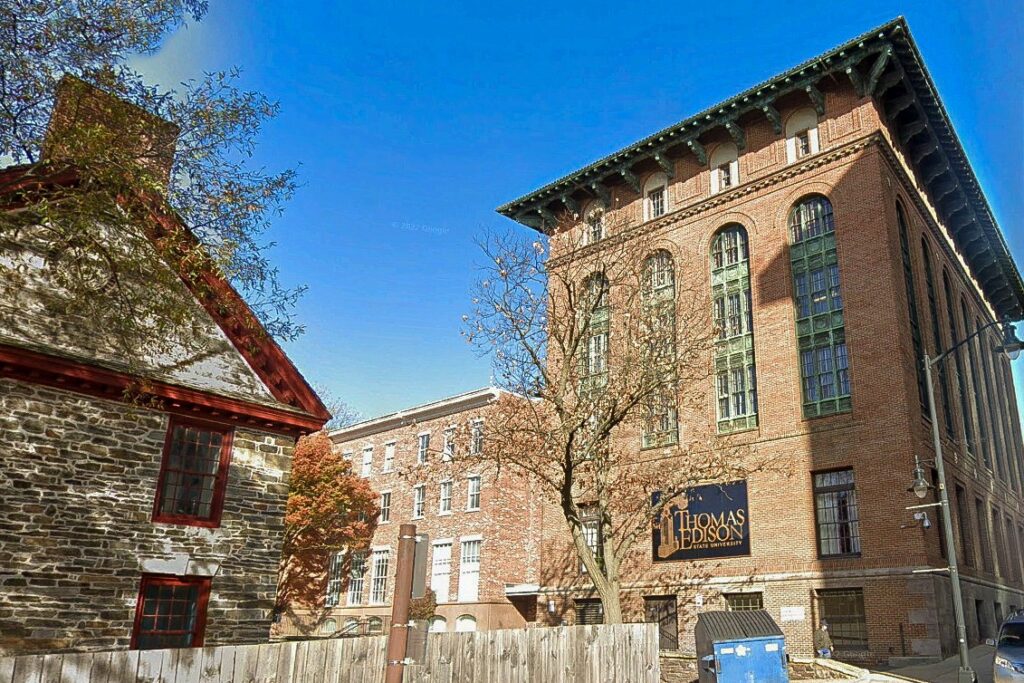
Type: Public university focused on online and adult education
Enrollment: 12,829
Campus: Thomas Edison State University operates primarily online rather than through a traditional residential campus. Four historic buildings in Trenton’s Capital District serve mainly as administrative facilities.
Programs: TESU is New Jersey’s statewide institution for adult learners, with programs built around flexible degree completion. Students may earn credit for professional training, standardized exams and demonstrated prior learning, making the university an important option for working adults.
Tuition: New Jersey residents pay $399 per credit or $7,926 annually for full-time study, while out-of-state tuition is $519 per credit. Active-duty military students pay $250 per credit.
Notable fact: TESU has built a national profile for serving military and veteran students. Its prior-learning policies can translate eligible military training into college credit.
4. Kean University
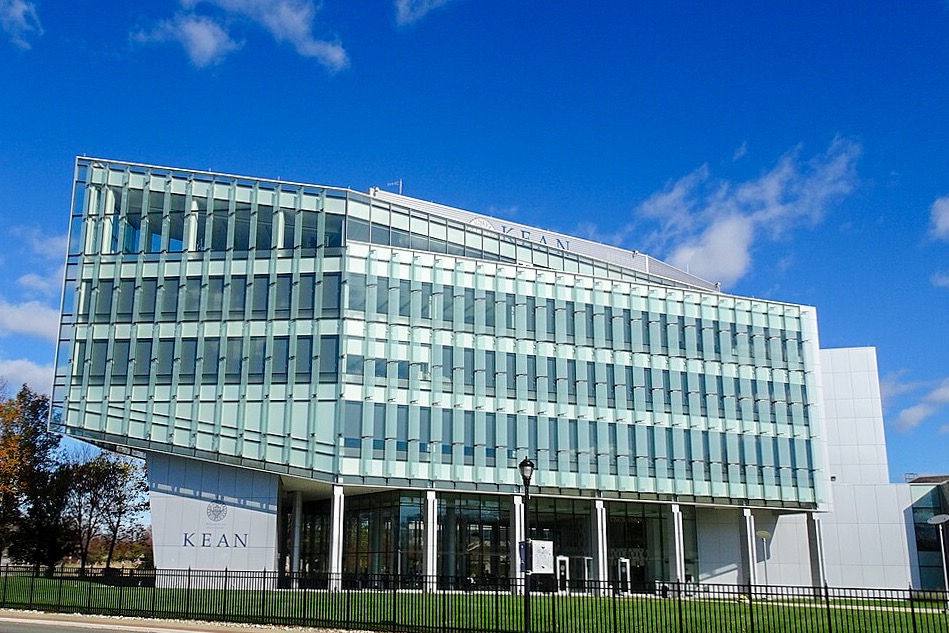
“STEM Building, Kean University” by Zeete, licensed under Creative Commons Attribution-ShareAlike 4.0 International (CC BY-SA 4.0).
Type: Public university
Enrollment: 15,023
Campus: Kean’s main campus covers 121.5 acres in Union Township and Hillside.
Other locations: Wenzhou-Kean University in China is a full branch campus that enrolled roughly 4,500 students in 2023. Kean also offers degree programs at Kean Ocean in Toms River and operates the 40-acre Kean Skylands environmental campus in Jefferson.
Programs: Kean is one of the few public universities in the United States with a full campus abroad. Courses at Wenzhou-Kean are taught in English, and eligible students from New Jersey can study there without paying additional tuition.
Tuition: Annual tuition is about $12,972 for New Jersey residents and $20,364 for out-of-state students.
Notable fact: Kean’s main campus occupies part of the former estate of William Livingston, New Jersey’s first governor.
3. Rowan University
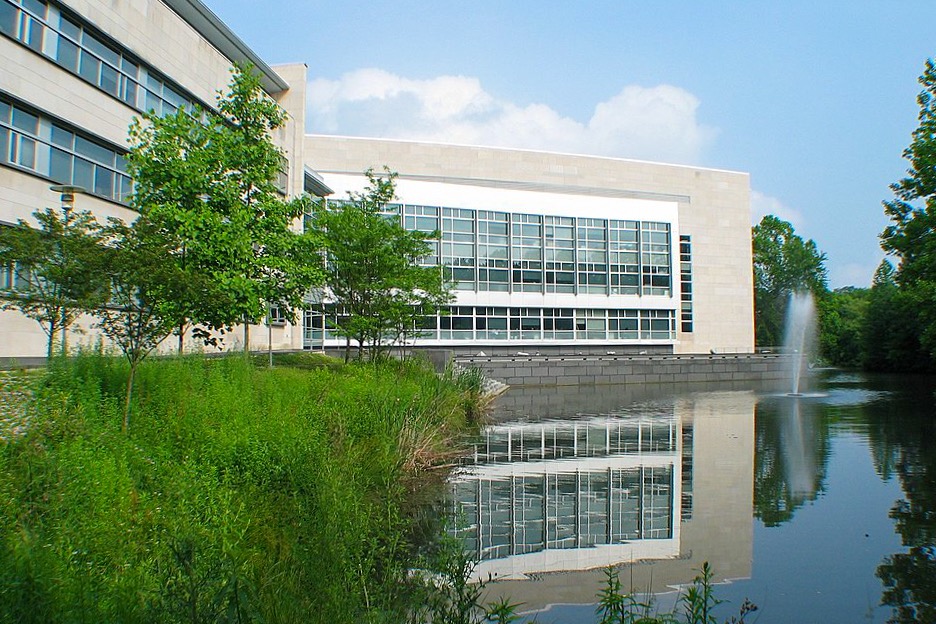
“Rowan Hall West2.JPG” by Drhamso, licensed under Creative Commons Attribution 2.5 Generic (CC BY 2.5).
Type: Public research university
Enrollment: 22,903
Campus: Rowan’s main campus covers about 800 acres in Glassboro. Expansion west of Route 55 supports research, athletics and the university’s Technology Park.
Other locations: Rowan operates extension programs and Cooper Medical School in Camden, while the Rowan-Virtua School of Osteopathic Medicine is based in Stratford.
Programs: Rowan has expanded from its teacher-training roots into a comprehensive research university. Its engineering and medical programs are central to that growth and to the institution’s role in South Jersey’s economy.
Tuition: Annual tuition is about $12,300 for New Jersey residents and $23,200 for out-of-state students.
Notable fact: Rowan’s Glassboro campus hosted the 1967 Hollybush Summit between President Lyndon B. Johnson and Soviet Premier Alexei Kosygin.
2. Montclair State University
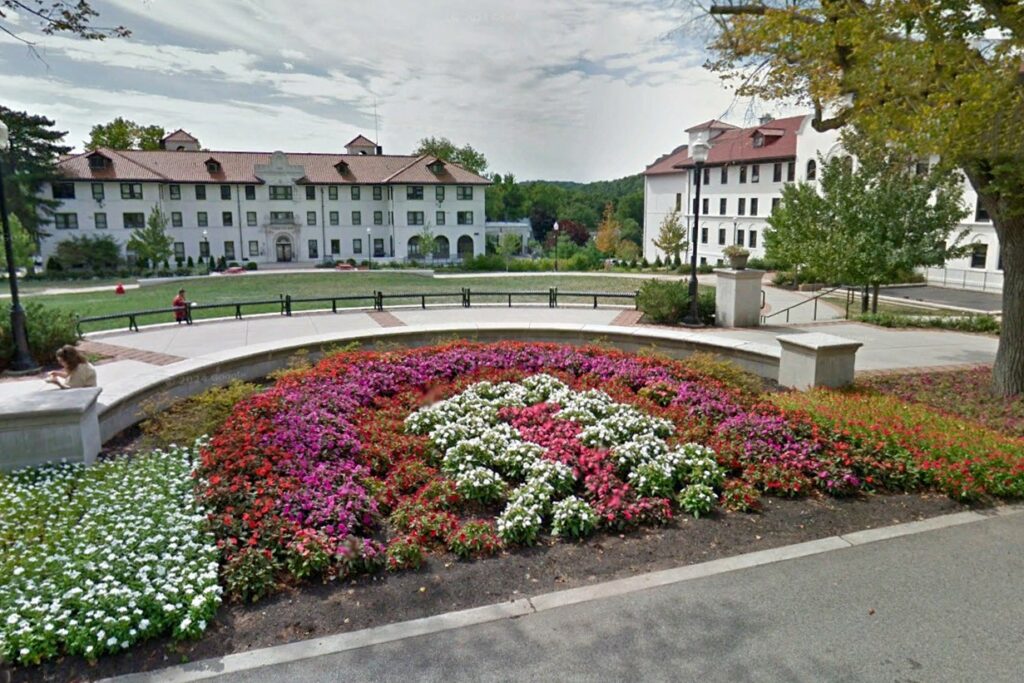
Type: Public research university
Enrollment: About 22,570
Campus: Montclair State’s 486-acre main campus spans Montclair, Little Falls and Clifton. The John J. Cali School of Music also operates an instructional site in Newark near the New Jersey Performing Arts Center.
Programs: Montclair State began as a teachers college and remains known for education, arts and communication programs. In 1927, it became the first U.S. college to offer a four-year teaching degree.
Tuition: Annual tuition is about $13,000 for New Jersey residents and $21,000 for out-of-state students, although costs vary by program.
Notable fact: Two NJ Transit stations, Montclair Heights and Montclair State University, connect the campus to the regional rail network and support its large commuter population.
1. Rutgers University
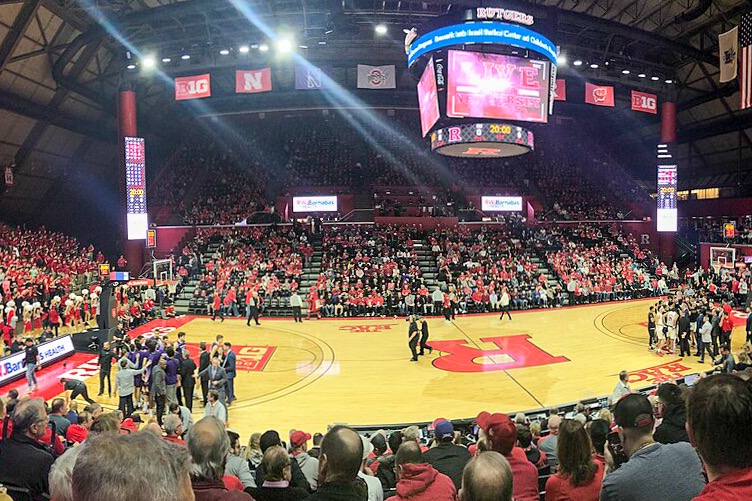
“Rutgers Athletic Center (Northwestern vs. Rutgers – February 9, 2020).jpg” by GATORFAN2525, licensed under Creative Commons Attribution-ShareAlike 4.0 International (CC BY-SA 4.0).
Type: Public research university
Enrollment: About 69,000
Campus: Rutgers’ flagship New Brunswick–Piscataway campus covers 2,685 acres across several subcampuses connected by an internal bus network.
Other locations: Rutgers also operates major campuses in Newark and Camden, giving the state university a presence across North, Central and South Jersey.
Programs: Rutgers offers more than 100 undergraduate majors and a broad range of graduate and professional programs. Its research enterprise and programs in fields including pharmacy and philosophy contribute to the university’s national profile.
Tuition: Annual tuition is about $14,900 for New Jersey residents and $35,700 for out-of-state students.
Notable fact: Rutgers hosted Princeton in the first intercollegiate football game in 1869. The event helped establish the university’s claim as the birthplace of college football.
At a glance
| Rank | Institution | Type | Enrollment | Main campus | Tuition (in-state / out-of-state) |
| 10 | Brookdale Community College | Public community college | 9,921 | Lincroft (Monmouth County) | ~$5,100 / ~$10,200 |
| 9 | Seton Hall University | Private Catholic university | 9,529 | South Orange (Essex County) | ~$50,000 |
| 8 | Middlesex College | Public community college | 11,471 | Edison (Middlesex County) | ~$4,800 / ~$9,600 |
| 7 | Bergen Community College | Public community college | 11,803 | Paramus (Bergen County) | ~$5,300 / ~$10,600 |
| 6 | New Jersey Institute of Technology (NJIT) | Public polytechnic (R1) | 12,332 | Newark (Essex County) | ~$21,162 / ~$39,912 |
| 5 | Thomas Edison State University (TESU) | Public university (adult/online) | 12,829 | Trenton (Mercer County) | ~$399 per credit ($7,926 flat) / ~$519 per credit |
| 4 | Kean University | Public university | 15,023 | Union & Hillside (Union County) | ~$12,972 / ~$20,364 |
| 3 | Rowan University | Public research university | 22,903 | Glassboro (Gloucester County) | ~$12,300 / ~$23,200 |
| 2 | Montclair State University | Public research university | 22,570 | Montclair, Little Falls & Clifton (Essex/Passaic Counties) | ~$13,000 / ~$21,000 |
| 1 | Rutgers University | Public research university (AAU) | 69,000 | New Brunswick & Piscataway (Middlesex County) | ~$14,900 / ~$35,700 |