


World Cup Delivered Thrills — But New Jersey Missed Key Opportunities
Now that the 2026 FIFA World Cup has come and gone, the region is celebrating an unforgettable, high‑energy tournament that brought global attention and massive crowds. The matches were electric, the fan experience was vibrant, and the state proved it could host one of the world’s largest events. But beneath the excitement lies a sobering reality: New Jersey crossed its fingers before each match it hosted. The state missed major opportunities to modernize its transportation systems, streamline event‑day operations, and strengthen long‑term infrastructure.
Transit agencies relied heavily on temporary fixes rather than lasting improvements. Congestion around key venues exposed gaps in planning, and coordination across agencies often lagged. While the event itself was a success, the long‑term benefits could have been far greater if the state had used the moment to accelerate overdue upgrades and build a more resilient mobility network.
TLDR: The World Cup was thrilling and successful, but New Jersey missed a chance to turn the event into lasting infrastructure progress.
Read more: https://tristateinfrastructurenews.com/world-cup-crossed-fingers-and-missed-opportunities/
PJM Capacity Auction Shows Tightening Grid Conditions
The latest PJM capacity auction produced sharply higher clearing prices, driven by a reserve shortfall and tightening supply‑demand dynamics. Retirements of older fossil units, rising electrification loads, and delays in renewable and storage interconnections all contributed to the spike. Although the interconnection queue is full of clean‑energy proposals, many face multi‑year delays due to transmission constraints and permitting challenges. The results highlight a growing reliability gap at a time when AI data centers, EV charging, and industrial electrification are expanding rapidly.
TLDR: PJM’s auction prices surged due to reserve shortages, slow renewable build‑out, and rising electrification demand, signaling tightening reliability margins.
Read more: https://www.utilitydive.com/news/pjm-capacity-auction-price-cap-reserve-shortfall/825282/
EV Battery Recycling Remains Economically Challenging
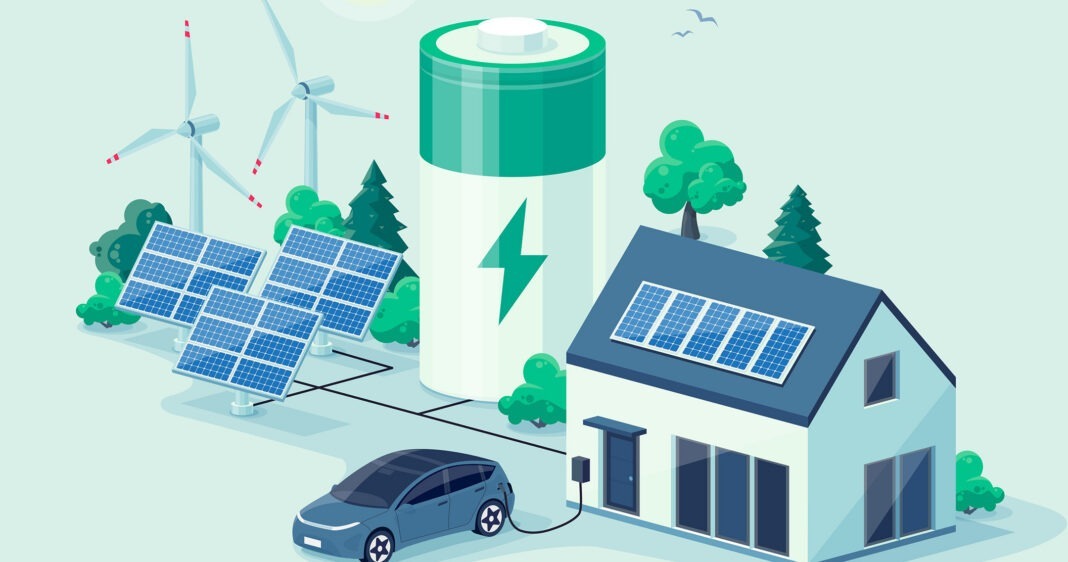
The economics of EV battery recycling remain difficult. Auto shops and salvage yards often must pay recyclers to take damaged or spent batteries because they cannot legally store them and must use certified hazmat carriers for transport. Recyclers face high labor costs, inconsistent supply, and limited recoverable material from damaged packs. While federal incentives and improved processing technologies may eventually shift the financial equation, recycling remains a cost burden rather than a profitable enterprise. Long‑term prospects are promising, but the break‑even point is still years away.
TLDR: EV battery recycling is still a money‑losing operation, with high handling costs and limited recoverable materials delaying economic viability.
Read more: https://www.npr.org/2026/07/13/nx-s1-5847025/ev-battery-recycling-economics
New Jersey’s Business Climate Ranking Highlights Structural Challenges
New Jersey placed 31st overall in a national business‑competitiveness ranking and 50th in business friendliness. High taxes, regulatory complexity, and recent policy changes such as the Corporate Transit Fee and stricter worker‑classification rules contributed to the low score. The state continues to excel in education, workforce quality, and quality of life, but employers remain wary of cost structures and compliance burdens. The ranking underscores a persistent tension between strong human capital and a challenging regulatory environment.
TLDR: New Jersey’s strong workforce is overshadowed by high costs and regulatory burdens, driving a low national ranking in business friendliness.
Gateway Commission Approves Major Hudson River Stabilization Work
A newly approved $88 million change order will remove roughly 500 submerged wooden piles left from a long‑demolished pier along the Hudson River. These legacy structures pose risks to upcoming tunnel‑boring operations for the Hudson Tunnel Project, making their removal essential for safe and predictable construction. Officials say the broader program remains on schedule, and the stabilization work will help ensure that tunnel‑boring machines can operate without obstruction.
TLDR: Gateway officials approved major stabilization work to clear old riverbed obstructions, ensuring safe tunnel‑boring operations for the Hudson Tunnel Project.
Two Years After Funding, Gateway Construction Accelerates
Two years after securing $16 billion in federal and financing commitments, the Gateway Program is advancing across multiple fronts. Construction activity is underway on tunnel‑boring preparations, the Portal North Bridge replacement, and corridor upgrades. The program is expected to support 95,000 jobs and generate nearly $20 billion in economic activity, making it the largest transit infrastructure effort in the nation. The update emphasizes that the funding agreement continues to drive momentum and unlock long‑delayed components of the project.
TLDR: Gateway construction is accelerating across tunnels and bridges, powered by major federal funding that continues to unlock long‑delayed infrastructure work.