



A week dominated by drinking‑water safety, PFAS accountability, grid reform, data‑center power debates, and long‑running Superfund remediation. Here’s your curated summary.
New Jersey secures $2.5 billion in PFAS settlements
New Jersey has won $2.5 billion in settlements with DuPont, 3M, and other chemical manufacturers over decades of PFAS contamination. The agreements resolve claims that “forever chemicals” polluted drinking‑water systems, rivers, and groundwater statewide. The funds will support treatment upgrades, cleanup projects, and long‑term monitoring across dozens of affected communities.
The state argued that PFAS contamination imposed massive public‑health and infrastructure burdens, forcing utilities to install costly filtration systems. The settlement – one of the largest PFAS agreements in the country – signals a new era of accountability for manufacturers and gives New Jersey significant resources to accelerate remediation.
How Philadelphia turns river water into tap water
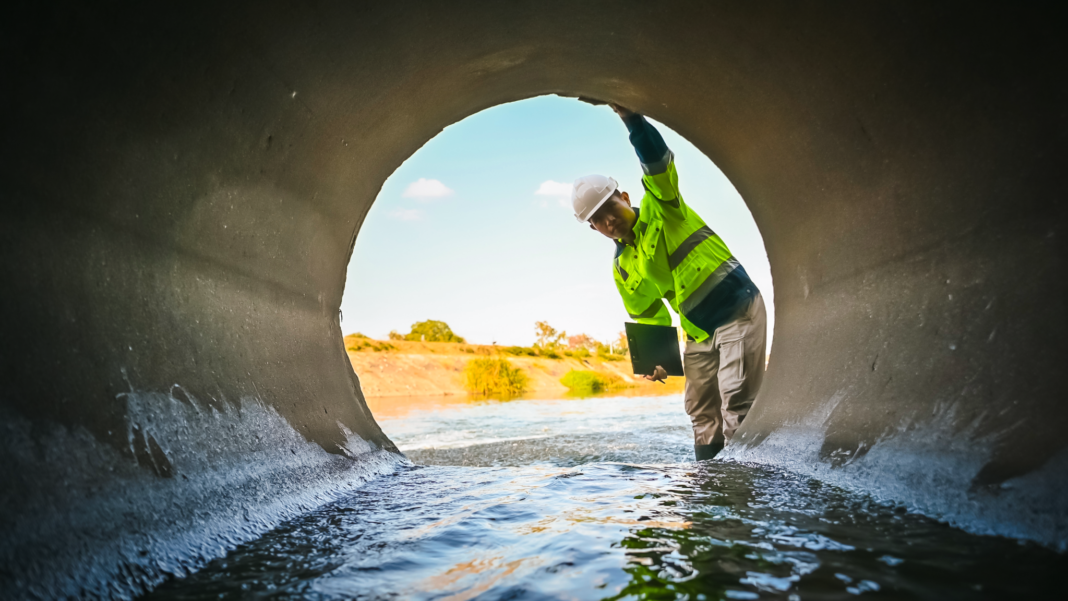
A detailed walkthrough of Philadelphia’s water‑treatment process shows how the city transforms Delaware and Schuylkill River water into safe drinking water for more than 1.5 million people. The system relies on a multi‑stage process: coagulation, sedimentation, filtration, disinfection, and continuous monitoring.
The piece highlights the scale of the operation – massive intake stations, chemical‑dosing systems, and filtration beds – and underscores how river‑based systems must constantly adapt to upstream pollution, stormwater surges, and aging infrastructure. Despite challenges, Philadelphia’s treatment plants consistently meet federal standards, demonstrating how large cities can maintain safe water supplies even with complex river conditions.
America’s drinking water and the Iran conflict
A recent episode of The Daily explores how geopolitical conflict – in this case, war with Iran – could affect America’s drinking‑water systems. The discussion examines vulnerabilities in water‑treatment plants, chemical supply chains, and cyber‑security defenses. Many utilities rely on imported treatment chemicals, specialized equipment, and global manufacturing networks that could be disrupted during international crises.
The episode also highlights how water systems have become targets for cyberattacks, with hostile actors probing operational networks. The takeaway: America’s drinking‑water infrastructure is deeply interconnected with global stability, and conflict abroad can have direct consequences for water safety at home.
Read more: https://www.nytimes.com/2026/08/07/podcasts/the-daily/america-drinking-water-iran-war.html
Gas dominates PJM’s reformed interconnection queue
Inside Climate News reports that natural gas continues to dominate PJM’s interconnection queue even after reforms intended to accelerate renewable‑energy projects. While solar and storage proposals remain abundant, gas projects are advancing more quickly due to shorter permitting timelines, easier siting, and fewer transmission constraints.
The analysis warns that PJM’s grid‑transition goals may be undermined if gas continues to outpace renewables in actual approvals. Transmission bottlenecks, local opposition, and slow regulatory processes remain major obstacles for clean‑energy developers, even as demand from data centers and electrification surges.
Read more: https://insideclimatenews.org/news/08082026/gas-dominates-pjm-interconnections-reformed-grid-queue/
Vineland data center hearing highlights power‑generation concerns
A proposed data‑center project in Vineland has sparked debate over how much on‑site generation should be allowed. Developers argue they need dedicated power to ensure reliability for AI workloads and high‑density computing. Local officials and residents worry about emissions, noise, and whether the facility would rely on fossil‑fuel backup plants.
The hearing reflects a growing statewide tension: data centers are expanding rapidly, but the grid is struggling to meet their enormous electricity demands. Communities are increasingly scrutinizing whether these projects should be required to fund new clean‑energy generation rather than relying on local peaker plants.
Read more: https://whyy.org/articles/vineland-data-center-hearing-power-generation
Cornell‑Dubliner Superfund site moves into new cleanup phase
The Cornell‑Dubliner Superfund site in South Plainfield – contaminated by decades of industrial chemical use – is entering a new phase of remediation. Recent work includes soil removal, groundwater treatment, and long‑term monitoring to address solvents and other hazardous contaminants. The site has been under federal oversight for years, and the latest update outlines progress toward eventual redevelopment.
The report emphasizes how legacy industrial sites continue to pose complex cleanup challenges, requiring multi‑year remediation plans and coordination between EPA, state regulators, and local officials.