



What sewage can tell us about public health
Every time we flush a toilet or wash something down the drain, we may be contributing to one of the state’s quietest public health monitoring systems.
The New Jersey Department of Health is using wastewater surveillance to track viruses circulating in communities across the state. By testing sewage from municipal sewer systems, scientists can detect traces of infectious diseases before large numbers of people even begin seeking medical care.
As New Jersey passes the six-year mark since the start of the COVID-19 pandemic, the state is continuing to rely on one of the quieter tools that emerged from that crisis: wastewater surveillance. Officials say the system helps provide an early snapshot of what illnesses may be spreading in a community.
At the moment, state health data shows typical seasonal respiratory viruses, including Influenza, Respiratory Syncytial Virus, and COVID-19, continuing to circulate across New Jersey.
But the way those trends are detected may surprise some residents.
How Wastewater Monitoring Works
The process relies on a simple biological fact: people who are infected with viruses or bacteria often shed microscopic particles of those pathogens in their waste, even if they do not yet have symptoms.
Those particles eventually end up in municipal sewer systems.
Public health officials use a multi-step process to monitor disease through wastewater:
1. People get sick
Individuals infected with a virus can shed particles of that pathogen through bodily waste.
2. Particles enter the sewer system
When toilets flush or sinks drain, viral and bacterial particles travel through underground sewer pipes along with wastewater from homes and businesses.
3. Samples are collected
Wastewater samples are taken from sewer interceptors and wastewater treatment plants, where sewage from thousands of households flows together.
4. Laboratory testing
Scientists analyze the samples in laboratories to identify genetic fragments of viruses or bacteria present in the wastewater.
5. Monitoring trends
Public health officials track the concentration of those pathogens over time. Rising levels can indicate that an illness is spreading more widely within a community.
Because wastewater combines waste from large populations, the system measures community-level health trends rather than individual infections.
Why Infrastructure Matters
Wastewater surveillance only works because of the sewer systems and treatment plants that move and process millions of gallons of wastewater every day.
Samples are collected directly from municipal wastewater systems, meaning the accuracy of disease monitoring depends on the reliability of that infrastructure.
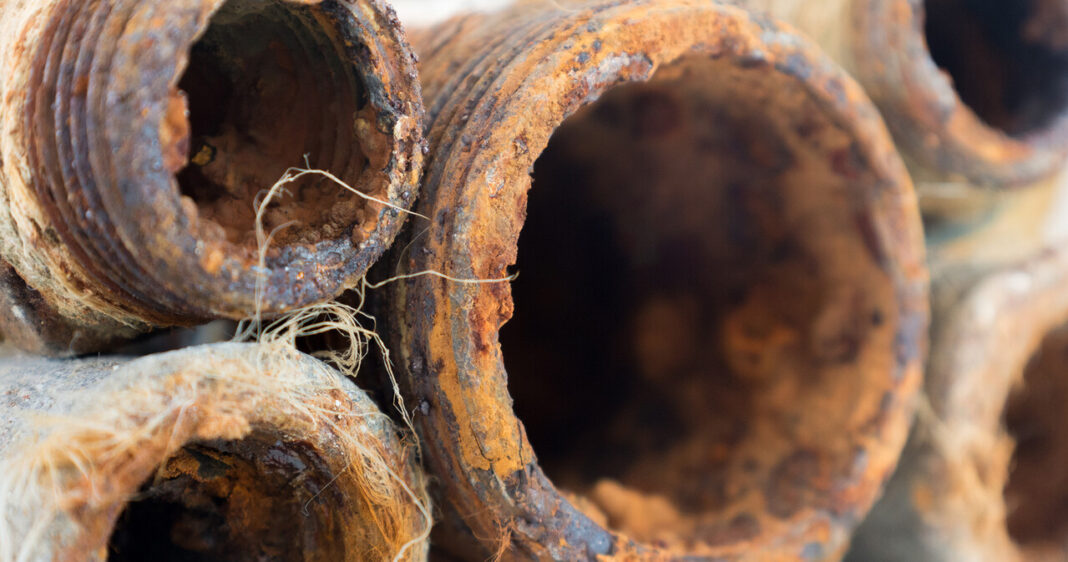
Maintaining sewer pipes, pump stations and treatment facilities helps ensure that samples reflect what is actually happening across a community. Aging or damaged systems can disrupt sampling locations or alter wastewater flows, making monitoring more difficult.
In other words, the same infrastructure that quietly carries waste away from homes also supports one of the state’s growing tools for tracking public health.
The Role of Local Health Departments
Local health departments play a central role in responding when disease activity is detected.
Under New Jersey law, both the state health department and local health agencies have authority to investigate communicable diseases within their jurisdictions.
Guidance issued by the New Jersey Department of Health Office of Local Public Health explains that local health officers are responsible for investigating disease reports, determining whether outbreaks exist and taking steps to limit the spread of illness when necessary.
Healthcare providers and laboratories are required to report confirmed cases of communicable diseases through the state’s Communicable Disease Reporting and Surveillance System, allowing public health officials to track outbreaks and coordinate responses.
Local investigations may involve identifying sources of infection, working across multiple jurisdictions, and responding to cases that occur in public facilities or other community settings.
A Quiet Tool for Public Health
Wastewater monitoring may not be visible to most residents, but it has become an increasingly important tool for public health agencies.
By analyzing what flows through sewer systems, officials can identify disease trends earlier and better understand how illnesses are spreading through communities.
And it all starts with the same infrastructure people rely on every day, the pipes beneath the streets that carry wastewater away from homes and into treatment plants.