


New Nuclear Investment Could Deliver Reliable Energy, Lower Costs, and Thousands of Skilled Jobs
As electricity demand continues to rise across the United States, advocates for expanding nuclear energy say the country will need reliable, long-term power generation capable of supporting economic growth, grid stability, and energy affordability for decades to come.
A recent PricewaterhouseCoopers economic impact analysis of a hypothetical proposed two-unit AP1000 nuclear project highlights just how significant that investment could be both for America’s energy future and for its construction workforce.
According to the report, construction of a two-unit AP1000 project in the United States would generate approximately $19.1 billion in national GDP impact during construction, support more than 115,000 person-years of employment, and create roughly $11.7 billion in labor income.The report also estimates the project would generate approximately $4 billion in tax revenue while supporting an average of more than 10,000 jobs annually during the construction phase.
Industry leaders say the conversation around nuclear energy is increasingly being driven by one central reality: the country’s growing need for reliable electricity generation that can operate around the clock. Nuclear power, unlike intermittent energy sources that depend on weather conditions, provides stable baseload electricity generation 24 hours a day, 365 days a year.
Supporters argue that expanding reliable domestic energy production will be critical as the United States faces increasing power demand from manufacturing growth, data centers, artificial intelligence infrastructure, and broader electrification across the economy.
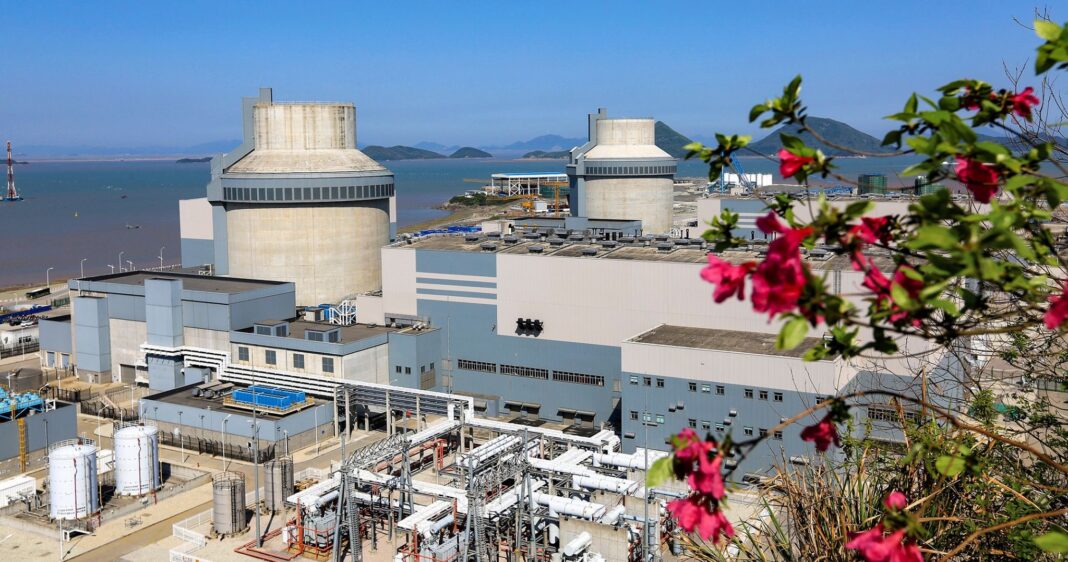
The AP1000 reactor design, developed by Westinghouse, is designed to provide carbon-free baseload electricity capable of powering more than 1.5 million homes while operating for a projected minimum lifespan of 80 years. AP1000 reactors are currently operating at Plant Vogtle in Georgia and at multiple sites in China, with the technology also being evaluated by governments and utilities pursuing new nuclear development around the world.
Major energy projects do more than generate power, they generate jobs and careers, tax revenue, and long-term economic opportunity. A two-unit AP1000 project would mean years of construction work, thousands of jobs, and the kind of reliable energy infrastructure New Jersey and the country need to stay competitive. Large-scale energy infrastructure projects also help strengthen the skilled construction workforce while creating opportunities for apprenticeship training and long-term employment across the trades.
Once operational, the report estimates the project would continue generating approximately $2.6 billion annually in GDP impact while supporting more than 4,000 long-term jobs and contributing hundreds of millions in annual labor income and tax revenue.
As policymakers continue debating the future of American energy production, nuclear power is increasingly emerging as a rare area of bipartisan agreement, bringing together advocates focused on grid reliability, economic growth, domestic energy production, carbon-free generation, and long-term infrastructure investment.
For the construction industry, supporters say the potential return of major nuclear development projects represents more than an energy discussion.
It represents the possibility of a new era of large-scale American infrastructure construction driven by rising demand for abundant, reliable, and domestically produced power.
Source:
PricewaterhouseCoopers. (2024). The economic impact of a two-unit AP1000 project in the United States. Prepared for Westinghouse Electric Company.
U.S. Department of Energy. (2024). Nuclear power is the most reliable energy source and it’s not even close. Office of Nuclear Energy. https://www.energy.gov/ne/articles/nuclear-power-most-reliable-energy-source-and-its-not-even-close