



Water water everywhere – and let’s make it potable too! Water, nuclear, the World Cup, and coal (?!) in this week’s Infrastructure Update. Be sure to share with your associates.
EPA directs $2.1M toward drinking‑water improvements across NY, NJ, PR, and USVI
The EPA announced $2.1 million in new federal funding to help small and disadvantaged water systems upgrade aging infrastructure, improve regulatory compliance, and address contaminants such as PFAS and lead. For New Jersey, the funding will support technical assistance for small utilities, planning for PFAS treatment, and preparation for lead service line replacement. EPA framed the initiative as part of a broader effort to modernize drinking‑water systems that have historically lacked resources and engineering capacity.
Read more: https://www.epa.gov/newsreleases\
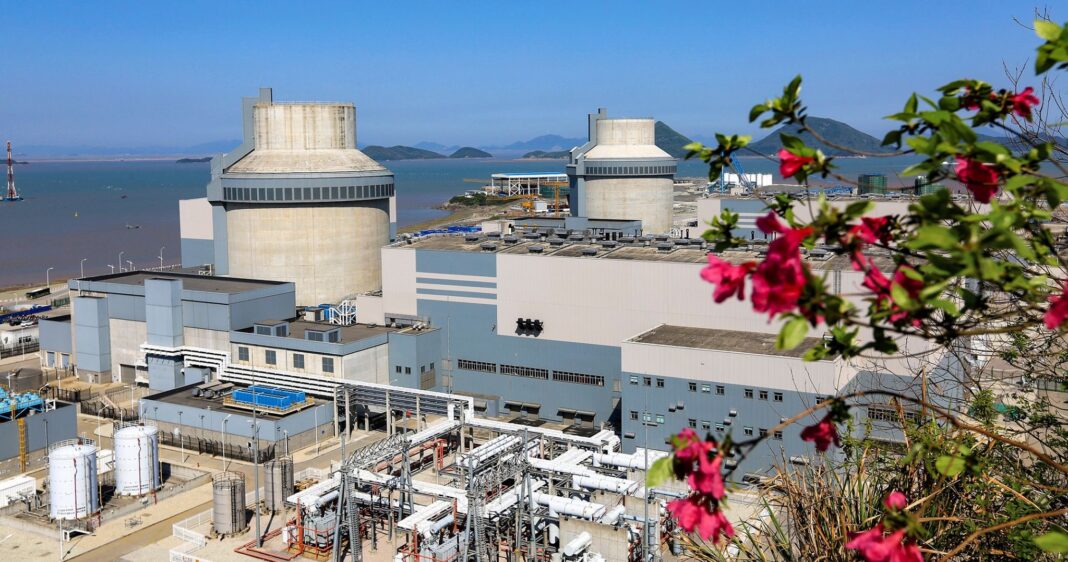
Environmental groups escalate opposition to Gov. Sherrill’s nuclear strategy
A coalition of environmental organizations—including Food & Water Watch, Sierra Club NJ, and Environment New Jersey—intensified their criticism of Rep. Mikie Sherrill’s support for advanced nuclear reactors and federal nuclear incentives. They argue her strategy risks diverting funding from renewable energy and locking New Jersey into high‑cost, high‑risk energy pathways. Sherrill’s office maintains that nuclear is essential for grid reliability and decarbonization, but the pushback highlights a widening divide between pro‑nuclear climate pragmatists and anti‑nuclear environmental groups.
Read more: https://tristateinfrastructurenews.com/environmental-groups-oppose-sherrills-nuclear-strategy/
Central Jersey counties secure major bridge‑repair grants
Somerset, Middlesex, Hunterdon, and Union counties received significant funding through NJDOT’s Local Bridge Fund, supporting structural repairs, deck replacements, and safety upgrades on aging county‑owned bridges. Many of these structures are more than 70 years old and rated “structurally deficient,” making the grants essential for preventing emergency closures and maintaining regional mobility. With construction costs rising and local budgets strained, the funding provides a critical boost to public safety and long‑term infrastructure resilience.
Read more: https://www.mycentraljersey.com/story/news/local/2026/06/22/nj-bridge-grants-central-jersey-somerset-middlesex-hunterdon-union/90605738007/
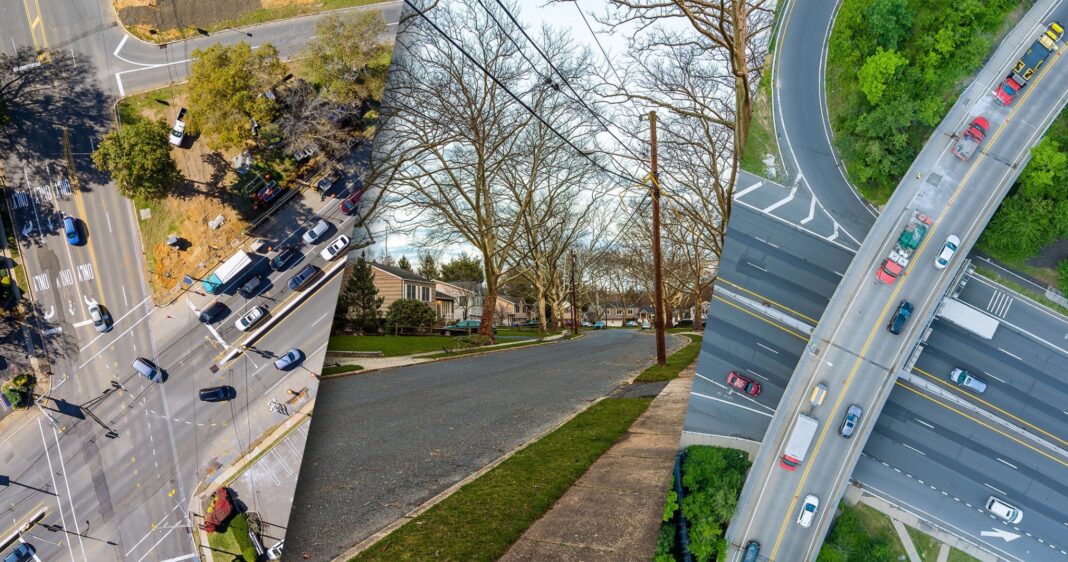
World Cup 2026 exposes stark differences in NJ vs. Philly transportation strategy
As the 2026 FIFA World Cup approaches, New Jersey and Philadelphia are taking sharply different approaches to mobility planning. New Jersey is leaning heavily on rail‑based operations, including NJ Transit’s Meadowlands event‑day service, reflecting the stadium’s isolated geography and dependence on high‑capacity shuttles. Philadelphia, by contrast, is emphasizing walkability, street closures, and urban transit integration, leveraging its dense street grid and proximity of venues to transit. The contrast underscores how legacy infrastructure and urban form shape mega‑event strategy and the public‑sector investments required to support them.
Read more: https://tristateinfrastructurenews.com/world-cup-jersey-vs-philly-a-tale-of-two-transportation-strategies/
NJDEP formally adopts PFAS cleanup standards for PFNA, PFOA, PFOS, and GenX
NJDEP finalized binding site‑remediation standards for four major PFAS compounds, replacing interim guidance and establishing enforceable cleanup thresholds for soil and groundwater. The rule will directly affect industrial sites, landfills, contaminated groundwater plumes, and any responsible party engaged in remediation. New Jersey continues to lead the nation in PFAS regulation, moving faster than federal EPA on enforceable cleanup requirements and setting a precedent for other states considering similar standards.
Read more: https://dep.nj.gov/newsrelease/2026/p032
Global coal consumption surges despite decarbonization goals
Energy analyst Robert Bryce reports that global coal demand is rising, driven by rapid electricity‑demand growth in Asia and reliability concerns in Western grids. Despite aggressive renewable‑energy targets, coal remains a stabilizing force in many power systems. Bryce argues that policymakers underestimate the scale of global electricity demand and the difficulty of replacing dispatchable fossil generation, complicating climate‑policy narratives and long‑term decarbonization planning.
Read more: https://robertbryce.substack.com/p/coal-roars-back