


TL;DR:
CoreWeave’s proposed Kenilworth data center will be quieter than nearby highway traffic, use a low-water closed-loop cooling system and fund a $150 million electrical substation to support both the facility and the local grid.
While construction will temporarily increase traffic and activity, the company says long-term operations will have minimal daily impact.
The project highlights the broader debate over data centers, balancing economic investment and infrastructure upgrades against concerns about noise, energy use, water consumption and community character.
KENILWORTH — Data centers have become one of the most debated forms of development across the country, with residents often raising concerns about noise, energy demand, water use and the impact large facilities can have on surrounding neighborhoods.
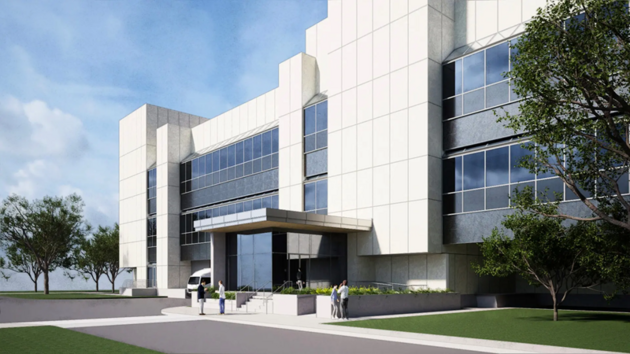
Those questions are now being asked in Kenilworth NJ, where an artificial intelligence (AI) cloud computing company headquartered in Livingston plans to redevelop the former pharmaceutical research facility at 2000 Galloping Hill Road into a data center.
The project represents a multi-billion-dollar investment in New Jersey and as plans move forward, local residents are looking for answers about how the facility could affect their community. Coreweave has just released new information about the data center to answer some of these questions.
Addressing concerns about noise
One of the most common concerns surrounding data centers is noise. Large facilities often rely on extensive cooling equipment and backup generators, leading residents to worry about a constant mechanical hum or periodic generator testing.
For the Kenilworth project, CoreWeave commissioned an independent acoustics study to evaluate potential sound levels at nearby residential property lines. According to the study, normal operations are expected to generate between 42 and 49 decibels, comparable to the sound of a household refrigerator. The report also found that existing background noise from the nearby Garden State Parkway measures at least 51 decibels during nighttime hours.
Even during a full power outage, when all backup generators would be operating simultaneously, projected noise levels would remain below New Jersey’s legal limits, according to the study.
Energy demand and electric bills
Another concern frequently raised about data centers is the strain they can place on local electrical infrastructure. Residents have worried that growing energy demand could lead to even higher costs or require significant utility upgrades.
CoreWeave says its approach in Kenilworth is intended to avoid those issues by funding approximately $150 million for a new electrical substation. The company says the upgrade will provide additional capacity not only for the data center but also for the broader Union County electric grid.
While electricity rates remain regulated by the New Jersey Board of Public Utilities (NJBPU) and local utilities, the company argues that directly funding the infrastructure reduces the likelihood that future upgrades would need to be recovered through ratepayer-funded projects.
Water use under scrutiny
Water consumption has become another flashpoint in discussions about data centers, particularly in regions where facilities rely on large amounts of water for cooling.
The Kenilworth facility is being built with a closed-loop cooling system designed to minimize ongoing water consumption. The company estimates approximately 310,000 gallons of water will be required one time during construction and startup. Afterward, the system will operate using a circulating propylene glycol solution, with day-to-day water use largely limited to normal office functions.
The company also states that the cooling fluid is non-hazardous and includes leak detection and containment systems.
Construction impacts versus long-term operations
Residents can expect some disruption during construction. Material deliveries, contractor vehicles and other site activity will increase traffic in the area while redevelopment is underway.
However, data centers generally operate with relatively small on-site workforces compared with manufacturing facilities, warehouses or office complexes. CoreWeave says daily traffic is expected to be minimal once the facility becomes operational.
Looking at the bigger picture
Supporters of the project point to the redevelopment of an existing industrial property, investment in electrical infrastructure and the possibility of attracting future technology-related development to the region.
At the same time, residents and local officials will continue to weigh those potential benefits against concerns about quality of life, environmental impacts and the changing character of the community.
As the approval and construction process continues, many of the conversations taking place in Kenilworth reflect a broader national debate over how communities should balance the growing demand for digital infrastructure with the concerns of the people who live nearby.