


Pipeline expansion to provide price relief and energy resiliency to NYC and Long Island residents and businesses
The New Jersey Tidelands Resource Council voted to approve a utility license for the Northeast Supply Enhancement (NESE) pipeline, granting Williams/Transco permission to install a second natural‑gas pipeline and associated infrastructure beneath state‑owned tidelands in Raritan Bay and several connected waterways. The vote followed a lengthy public meeting in which more than one hundred residents and environmental advocates urged the council to reject the application. Despite the volume of opposition, council members emphasized that their authority is limited to tidelands property rights, not broader questions of climate policy, energy planning, or fossil‑fuel expansion. Because the New Jersey Department of Environmental Protection (NJDEP) had already issued water‑quality permits for the project in 2025, the council treated the license as a procedural step rather than a discretionary environmental review.
Members noted that rejecting a tidelands license after NJDEP determined the project met regulatory standards could expose the state to legal challenges. The council’s role, they said, is to determine whether the applicant has met the technical requirements for occupying tidelands, not to revisit NJDEP’s environmental findings. With the vote, Williams cleared the final state‑level approval needed to move the project toward construction, though federal oversight and potential litigation remain factors that could influence the timeline.
About NESE
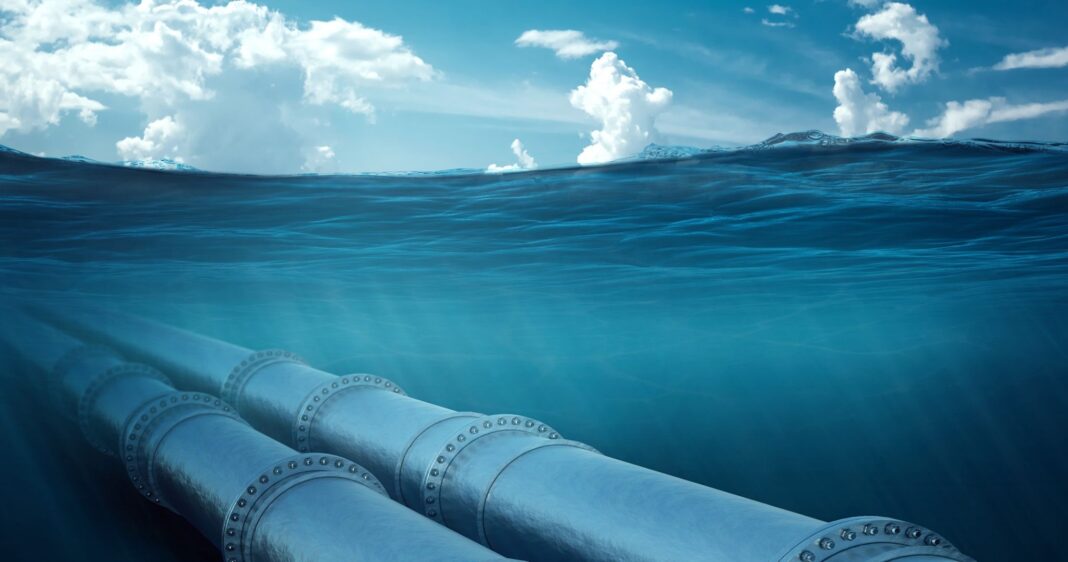
The NESE project is an expansion of the long‑established Transco interstate natural‑gas pipeline system, a 10,000 mile interstate pipeline system originating in Texas, and which has supplied New Jersey, New York, and the Mid‑Atlantic for decades. Portions of the system already run offshore through Raritan Bay and Lower New York Bay, connecting Pennsylvania production zones to densely populated downstate New York markets. NESE is an expansion of pipelines currently running beneath Raritan Bay. The project follows the industry trend of looping existing corridors (expanding capacity through existing rights-of-way) rather than building new greenfield routes.
Impact on Energy Costs and Resiliency
The added capacity for New York City and Long Island is intended to reduce winter price spikes that occur when constrained pipeline supply forces utilities to purchase higher‑cost LNG or interruptible gas. By increasing firm, domestic supply by an additional 400,000 dekatherms per day, the project is expected to stabilize seasonal volatility and reduce exposure to global LNG markets, which have shown significant price swings in recent years.
Utilities have argued that without additional firm capacity, they face limitations on new customer hookups and potential curtailments during extreme weather. The project’s backers say the expansion would provide a buffer against supply disruptions, improve operational flexibility, and enhance the reliability of service for millions of customers in New York City and Long Island.
Context
Environmental groups, coastal advocates, and many local residents strongly oppose the project, arguing it threatens marine ecosystems, disturbs contaminated sediments in Raritan Bay, and prolongs reliance on fossil fuels. Organizations such as the Sierra Club and Clean Ocean Action note that both New Jersey and New York previously denied the project multiple times, and they contend that the revised application does not meaningfully reduce environmental risks.
But interstate natural‑gas transmission pipelines have a generally strong safety record. Transmission operators are subject to stringent federal integrity‑management rules, including regular inspections, corrosion control, pressure monitoring, and emergency‑response planning. Federal PHMSA data shows no major ruptures or explosions in Raritan Bay, where Transco already operates offshore infrastructure.
Next Step
With the tidelands license approved, Williams must proceed through remaining federal oversight, including any required updates to FERC authorizations and NOAA marine‑construction approvals. Legal challenges from environmental groups are expected, meaning the project’s construction timeline will depend on both regulatory sequencing and the outcome of potential litigation. Until the NESE pipeline expansion is operational, residents and businesses in New York City and Long Island remain vulnerable to winter price spikes and supply disruptions.
Sources:
New Jersey Department of Environmental Protection. (2025, November 7). Transcontinental Gas Pipeline Co. – Northeast Supply Enhancement Project permits approved. NJDEP Division of Land Resource Protection. https://www.nj.gov/dep/landuse/water/wqcert-transco-nese.html
Sierra Club New Jersey. (2025, November 7). NJ & NY approve water permit for NESE fossil fuel project to rip through wetlands & Raritan Bay. Sierra Club. https://www.sierraclub.org/new-jersey/press-releases/nj-ny-approve-water-permit-nese
National Oceanic and Atmospheric Administration, National Marine Fisheries Service. (2025, August 7). Takes of marine mammals incidental to specified activities; Northeast Supply Enhancement Project in Raritan Bay, Lower New York Bay, and the Atlantic Ocean (Federal Register Notice No. 2025‑15014). Federal Register, 90(38104). https://www.federalregister.gov/documents/2025/08/07/2025-15014