


An August storm dropped 2.71 inches of rain on the low-lying city, but pumps, underground storage tanks and green infrastructure cleared flooded streets in less than three hours
Hoboken’s flood protection system faced one of its biggest tests in years on Aug. 20, when a fast-moving storm dropped 2.71 inches of rain on the low-lying city. Rainfall peaked at 2.68 inches per hour, more than three times the rate that can overwhelm its aging combined sewer system.
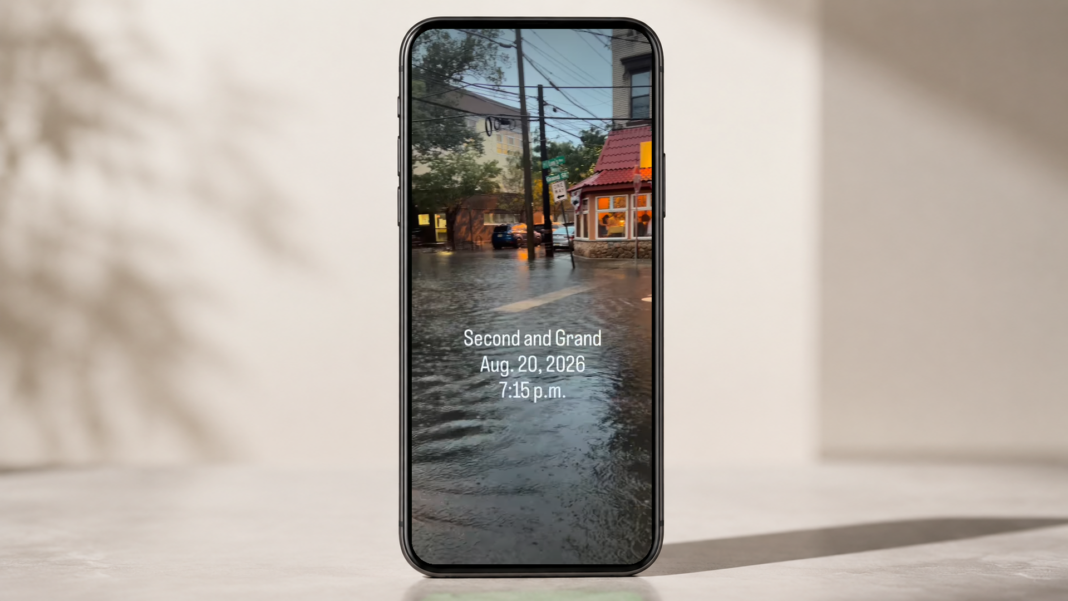
A video published by the Hoboken Public Safety Department showed the difference at Second and Grand streets. At 8:45 p.m., the intersection was covered in water. A short time later, the water had receded and traffic had resumed. The city’s three North Hudson Sewerage Authority pump stations removed more than 36 million gallons of stormwater, helping clear Hoboken’s flooded streets in less than three hours.
Hoboken is particularly vulnerable to flooding because much of the city was built on former marshland and stormwater must ultimately be moved toward the Hudson River. The city also operates a combined sewer system that carries stormwater and sewage through many of the same pipes.
The quick recovery is significant for a city where heavy rainfall has historically left streets flooded for hours or, in some cases, much of the following day. It also shows how infrastructure can reduce the duration and severity of flooding when rainfall exceeds what a traditional sewer system can immediately handle.