




According to the U.S. Energy Information Administration (EIA), natural gas and nuclear have fueled more than 90 percent of New Jersey’s total electricity since 2011. In 2023, natural gas accounted for 49 percent of the state’s total electricity generation and nuclear provided 42 percent. Also, about 72 percent of New Jersey households rely on natural gas as their primary heating fuel, 17 percent use electricity and about 9 percent use petroleum products. The rest use other fuels including wood and solar.
Here are the 10 largest in state generators of electricity, location, fuel source and how much power they produce, in terms of Gigawatts (GW) and the equivalent number of homes they can power.
For reference, there are ~3.5 million households in the state.
10. Bayonne Energy Center
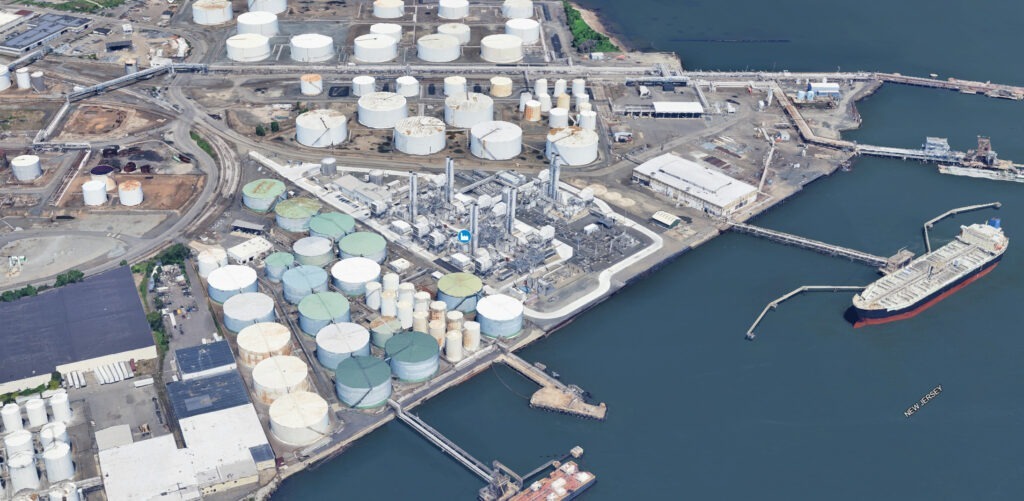
Dual fuel generating station in Bayonne, Hudson County with a capacity of ~644 MW. The plant, commissioned in 2012, and owned by TigerGenCo consists of nine natural gas turbines. The primary fuel is natural gas but in the case of a shortage the plant can also run on distillate fuel oil.
Source: https://www.power-technology.com/marketdata/power-plant-profile-bayonne-energy-center-us/
9. Woodbridge Energy Center
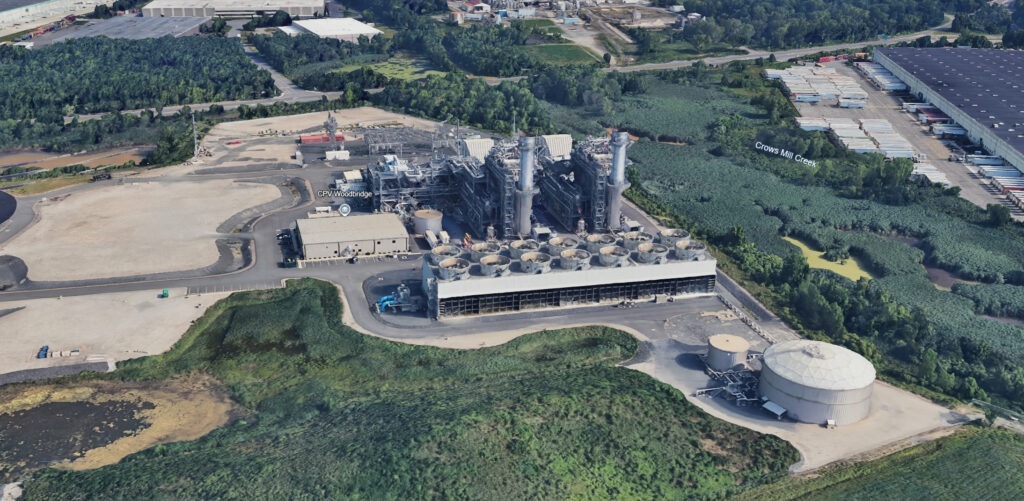
Combined cycle gas turbine project designed to run on dual fuel with a capacity of 700 MW. The primary fuel is natural gas. In case of shortage the plant can also run on ultra low sulfur diesel. It was commissioned in 2016 and is owned by Competitive Power Ventures, Osaka Gas USA and Toyota Tsusho.
Source: power-technology.com/marketdata/woodbridge-energy-center
8. Newark Energy Center
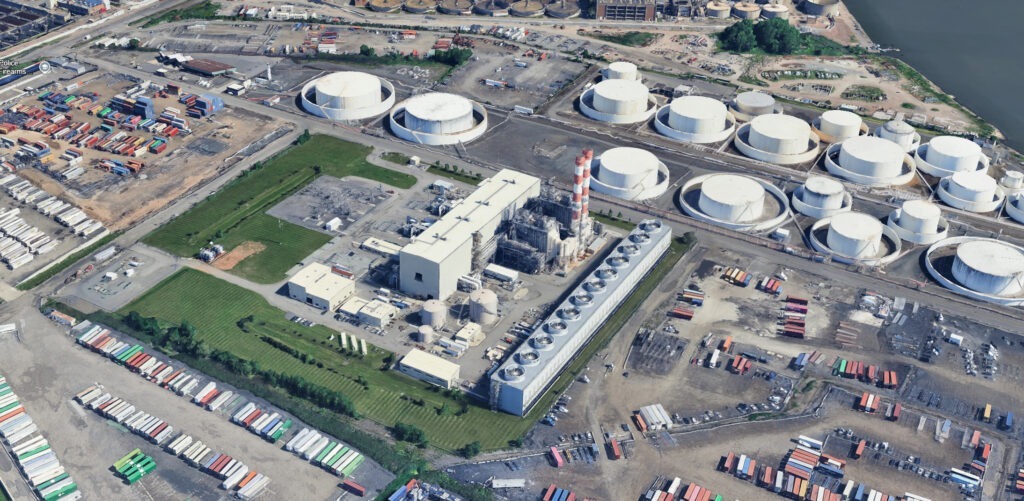
Combined cycle gas turbine plant in Newark, Essex County with a capacity of 705 MW. Commissioned in 2015.
Source: https://www.power-technology.com/marketdata/power-plant-profile-newark-energy-center-us/
7. West Deptford Energy Station
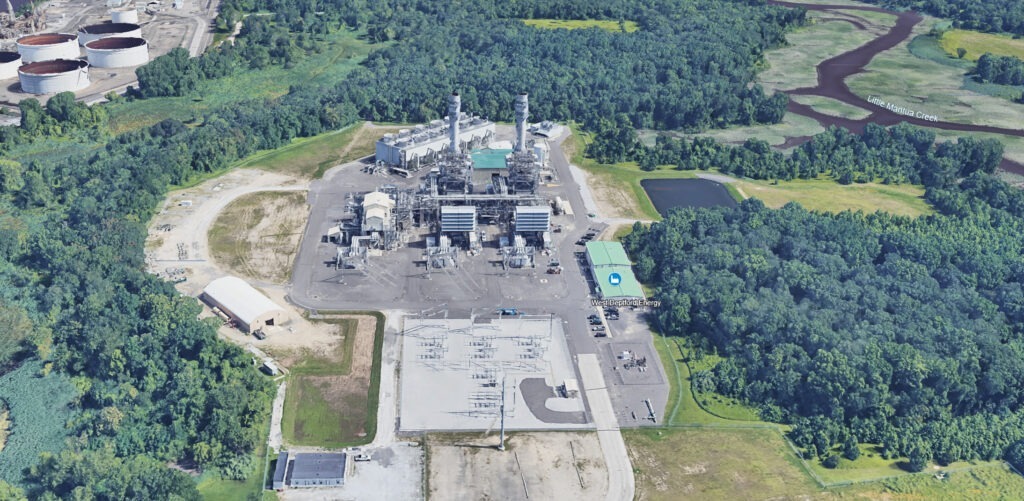
Combined cycle gas-fired generator in West Deptford, Gloucester County with a capacity of 738 MW. Commissioned in 2014 and owned by LS Power Development and partners.
Source: –power-technology.com/data-insights/power-plant-profile-west-deptford-combined-cycle-power-plant
6. Red Oak Power Station
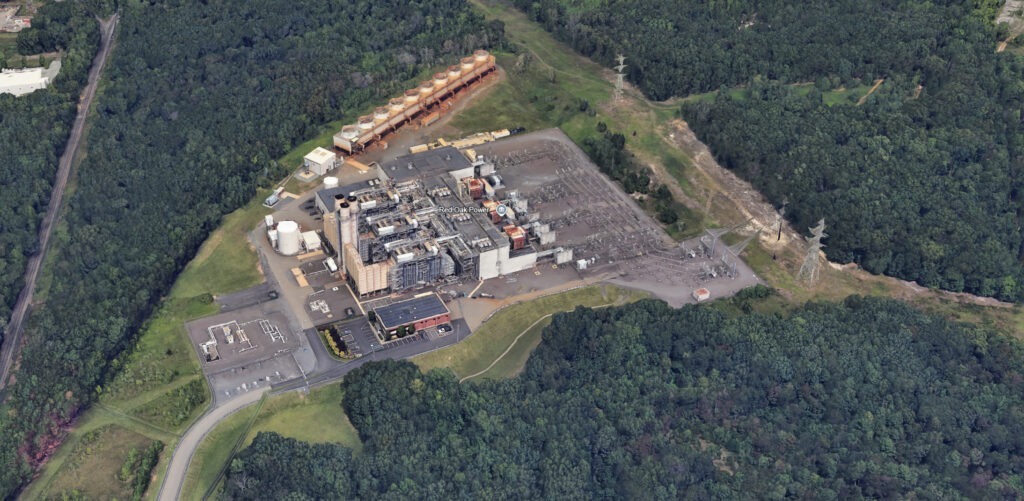
Combined cycle station in Sayreville, Middlesex County with a capacity of 821 MW. Located not far from the South River it was commissioned in 2002 and is owned by the Carlyle Group.
Source: https://www.gem.wiki/Red_Oak_power_station
5. Linden Co-Gen Plant
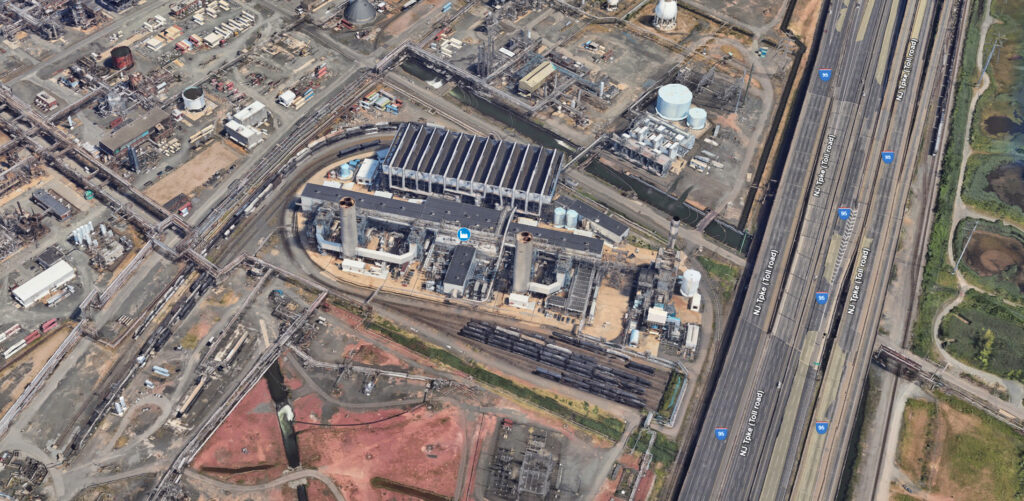
Duel fuel turbine in an operating refinery in Linden, Union County with a capacity of 974 MW that produces electricity and steam. Primarily fueled by natural gas, it can also run on waste oil in the event of a shortage. It was commissioned in 1992 and is owned by JERA.
Source: https://www.gem.wiki/Linden_cogeneration_plant
4. Hope Creek Nuclear Generating Station

A single unit boiling water reactor in Lower Alloways Creek, Salem County with a generating capacity of 1,240 MW. Construction began in 1974 and it began commercial operation in 1986. According to PSEG Nuclear, it can generate enough electricity to power one million homes.
Source: https://www.gem.wiki/Hope_Creek_nuclear_power_plant
3. Bergen Generating Station

Combined cycle located in Ridgefield, Bergen County, with a capacity of 1,401 MW, commissioned in 1995 and operated by Arclight Energy partners.
Source: power-technology.com/marketdata/bergen-combined-cycle-power-plant-us
2. Linden Generating Station
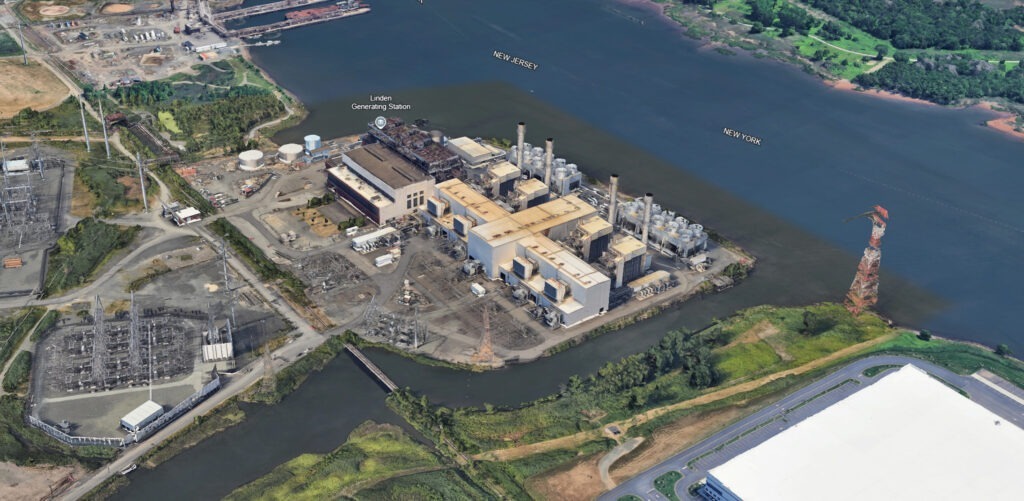
Combined cycle in Linden, Union County owned and operated by Alpha Generation. It includes four 96 MW gas turbines and two 678 MW combined cycle turbines and is capable of producing at least 1,740 MW of electricity.
Source: https://www.gem.wiki/PSEG_Linden_generating_station
1. Salem Nuclear Generating Station
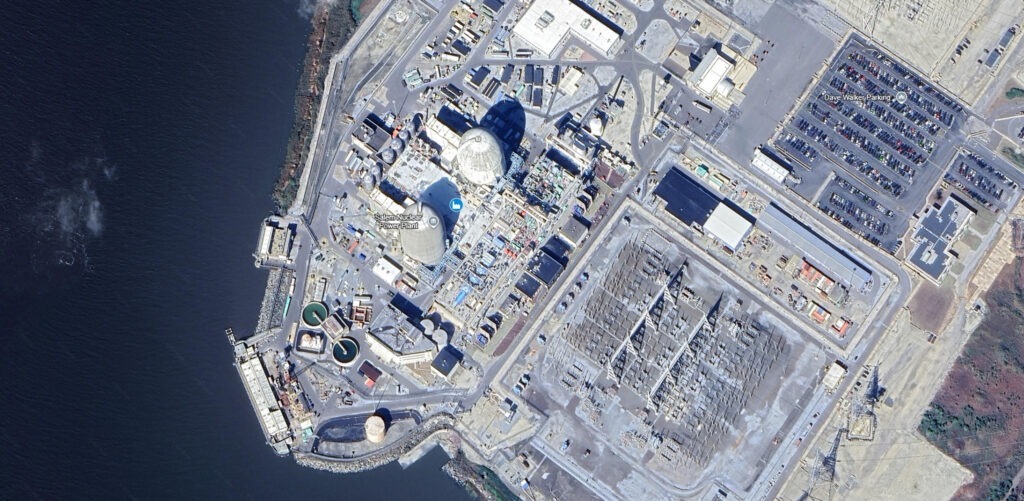
The Salem Generating Station in Lower Alloways Creek, Salem County, consists of dual unit pressurized reactors with a generating capacity of 2,454 MW. Construction began in 1968 and unit 1 began commercial service in 1977. Unit 2 began commercial service in 1981. According to PSEG Nuclear, the plant generates enough electricity to power approximately two million homes each day.
Source: https://www.gem.wiki/Salem_nuclear_power_plant
Summary
| Rank | Facility | Generating Capacity (MW) | Equivalent number of homes* |
| 10 | Bayonne Energy Center | 644 | 319,000 – 372,000 |
| 9 | Woodbridge Energy Center | 700 | 346,000 – 404,000 |
| 8 | Newark Energy Center | 705 | 349,000 – 407,000 |
| 7 | West Deptford Energy Station | 738 | 365,000 – 426,000 |
| 6 | Red Oak Power Station | 821 | 406,000-474,000 |
| 5 | Linden Co-Gen Plant | 974 | 482,000 – 562,000 |
| 4 | Hope Creek Nuclear Generating Station | 1,240 | 950,000 – 1,270,000 |
| 3 | Bergen Generating Station | 1,401 | 692,000 – 808,000 |
| 2 | Linden Generating Station | 1,740 | 862,000 – 1,005,000 |
| 1 | Salem Nuclear Generating Station | 2,454 | 1,750,000 – 2,330,000 |
* Calculations based on Capacity Factor, which calculates real world energy output over a period of time, including scheduled maintenance, and availability of resources.
Photos: Google Earth